
Blooming
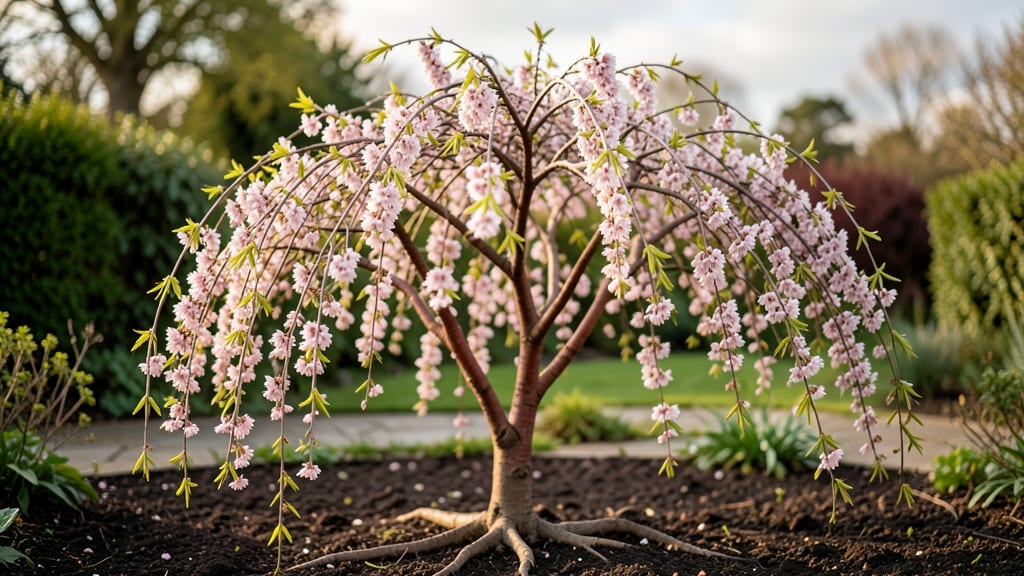
The weeping cherry tree bloom time depends on pruning and climate—but you can shift those delicate pink flowers by months with the right timing.
If you’ve ever waited eagerly for your weeping cherry tree’s stunning spring blooms—only to be disappointed by timing—you’re not alone. But what if you could control when those delicate pink flowers appear?
With strategic pruning, you can delay or advance blooms by weeks, even months, ensuring your tree flowers at the perfect moment for weddings, photos, or simply enjoying nature’s show.
Most weeping cherry trees (like Prunus subhirtella) bloom in late spring, but cooler climates like USDA Zone 6a may push blooms back to early summer. The key?
Pruning in late summer or early winter triggers hormonal shifts that delay or advance flowering—without harming the tree. Think of it as resetting the internal clock.
In this guide, I’ll break down the exact pruning schedule to shift blooms by 4–8 weeks, common mistakes that ruin timing, and seasonal care tips to keep your 🌸 weeping cherry tree thriving. Ready to take control of your tree’s bloom calendar?
How pruning affects weeping cherry tree bloom time: science-backed timing rules
Your weeping cherry tree (Prunus subhirtella) relies on a delicate hormonal balance to time its spring blooms. Pruning disrupts this cycle by triggering auxin hormones, which can either delay or advance flower production depending on when you cut.
The key lies in understanding how dormancy periods and bud formation interact with pruning wounds. For example, a cut in late summer forces the tree to prioritize new growth over flower buds, pushing blooms later into the season.
Weeping cherries naturally bloom in late winter to early spring, but strategic pruning can shift this window by 4–8 weeks. The science? Pruning stimulates cell division in branch tips, competing with flower bud development.
If you prune after bud swell (around February–March in most climates), you risk removing next year’s blooms entirely. Timing is everything—cut too early or too late, and you’ll either delay blooms indefinitely or lose them altogether.
The 60-day rule is your golden guideline: prune 60 days before your desired bloom date to give the tree time to adjust. For example, if you want blooms by Mother’s Day (May 12), prune around March 2.
This window allows the tree to form new flower primordia (buds) without stress. Miss this deadline, and you’ll likely see delayed or sparse blooms.
Regional climate plays a critical role. In USDA Zone 6a, where weeping cherries thrive, prune in late August to delay blooms until June–July, perfect for summer gardens.
Conversely, prune in November to advance blooms for early April weddings. Always account for your last frost date—pruning too late risks exposing tender new growth to cold snaps.
Watch for bud swell, a key visual cue. When buds plump up like tiny pink balloons (usually February–March), pruning is off-limits. This phase marks the tree’s final push to bloom, and cuts here will remove next year’s flowers.
Instead, focus on structural pruning in late summer to shape the tree without disrupting the bloom cycle.
Over-pruning triggers stress hormones like ethylene, which can halt flower production entirely. Limit cuts to 20–25% of the canopy per year, and avoid heading cuts (cutting back to a lateral branch), which encourage leafy growth over blooms.
Use clean, sharp tools to minimize damage—ragged cuts slow healing and increase disease risk, further delaying blooms.
Light exposure also influences timing. Weeping cherries need 6+ hours of sunlight daily to set flower buds. If your tree is shaded, prune to open the canopy in late summer to boost next year’s blooms.
Pair this with a balanced fertilizer (10-10-10) in early spring to support flower development. Avoid high-nitrogen fertilizers—they promote foliage over flowers.
For container-grown weeping cherries, pruning rules are stricter due to limited root space. Prune in early spring (just after blooms) to stimulate compact growth and avoid overcrowding.
Container trees bloom 2–4 weeks later than in-ground trees, so adjust your timing accordingly. Always water deeply after pruning to help the tree recover and set new buds.
Pro tip: Mark your pruning dates on a gardening calendar alongside your last frost date. For example, if your frost date is April 15, aim for a February 15 pruning to ensure blooms arrive by April 1.
Consistency is key—weeping cherries reward patience with abundant, reliable blooms when cared for correctly. 🌸
Step-by-step pruning schedule to shift blooms by 4–8 weeks: month-by-month guide
Timing is everything when it comes to your weeping cherry tree’s blooms. By following this month-by-month pruning schedule, you can shift those pink blossoms by 4–8 weeks—whether you want them to arrive earlier for a spring wedding or delay them for a summer showcase.
The key? Prune 60 days before your target bloom date and use the right techniques for your climate zone.
For example, if you want blooms by Mother’s Day (May 10), prune around March 10. Conversely, to delay blooms until summer (July 4), prune in May.
Always use sterilized pruning shears and make cuts at a 45-degree angle just above a bud or branch collar to encourage healthy regrowth.
- January–February (Zones 6–8): Prune to advance blooms by 4–6 weeks. Focus on removing dead or crossing branches while avoiding heavy cuts that stress the tree. Apply dormant oil spray afterward to protect against pests.
- March (All Zones): Light pruning to shape the tree and encourage early blooms. Remove weak shoots and thin out dense areas. Fertilize with balanced 10-10-10 to support new growth.
- April (Zones 6–8): Final pruning to delay blooms by 2–4 weeks. Cut back 1/3 of last year’s growth to redirect energy. Avoid pruning if buds have already swollen.
- May–June (Zones 9–10): Prune to delay blooms until summer. Remove suckers and water sprouts to reduce competition. Mulch with wood chips to retain moisture.
- July–August (All Zones): Light maintenance pruning only. Avoid heavy cuts—this is the tree’s recovery phase. Focus on removing diseased leaves to prevent spread.
- September–October (Zones 6–8): Prune to advance next year’s blooms. Remove deadwood and thin out branches to improve airflow. Apply slow-release fertilizer to prepare for dormancy.
After pruning, monitor your tree closely. Water deeply once a week for the first month to help it recover, and avoid fertilizing until new growth appears. In warmer climates (Zones 9–10), prune slightly later—delay until late winter or early spring—to account for the longer growing season.
For young weeping cherry trees (under 5 years old), limit pruning to 10–15% of the canopy per year. Older trees can handle up to 25% of the canopy if pruned correctly. Remember, the goal is to balance bloom timing with the tree’s health—never sacrifice one for the other.
With this schedule, you’ll have blooms on demand, whether you need them for a spring event or a summer garden party. Just remember: patience and precision are key! 🌿