
Blooming
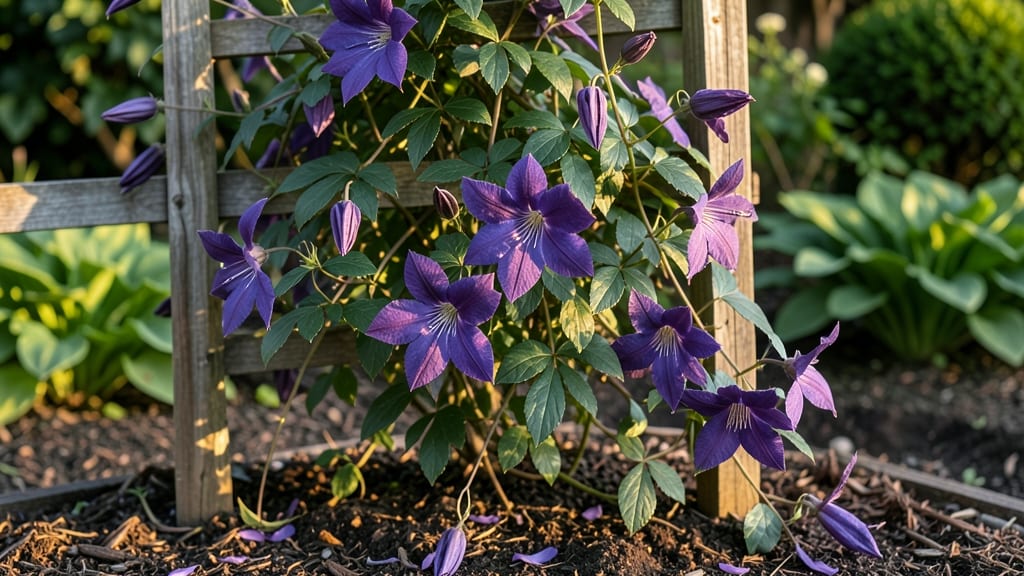
Summer vines that bloom all season long transform any space into a purple-spiked paradise with almost no effort. 🌿 I’ve tested dozens, and these five stand out for their nonstop color, easy growth, and ability to climb, spill, or even cover ground—all while requiring less attention than most annuals.
The best performers? Clematis 'Jackmanii' (deep purple spikes), Wisteria 'Amethyst Falls' (fragrant cascades), and Morning Glory 'Heavenly Blue' (fast-growing annuals). These thrive in partial sun, need minimal pruning, and handle heat better than most. Imagine trellises dripping with color or arbors framed in blooms—without the fuss.
What makes them special is how they extend your garden’s season. While other plants fade in July, these keep blooming until frost. They’re perfect for vertical gardens, privacy screens, or even filling empty corners. Just plant, water occasionally, and enjoy the show.
The secret? Right-place, right-vine selection. Pair heavy climbers like wisteria with sturdy trellises, while morning glories work beautifully in container overflows. No deadheading, no complicated care—just months of effortless beauty.
📚 In This Guide
- What you need
- Instructions
- Tips and common mistakes
- Wrapping up and next steps
What you need
- ● Vine plants: Choose from Campsis radicans (trumpet vine), Bignonia capreolata (cross vine), or Ipomoea quamoclit (cypress vine). Start with 1-3 plants per trellis or container.
- ● Trellis or support: A 6-8 ft tall metal, wooden, or PVC trellis (or existing fence/pergola). Ensure it’s sturdy—these vines can get heavy!
- ● Well-draining potting mix: 10-15 gallons of a blend for containers (or amend garden soil with compost for in-ground planting).
- ● Fertilizer: Balanced granular fertilizer (10-10-10 or 20-20-20), 1 tbsp per plant at planting.
- ● Slow-release fertilizer (e.g., osmocote) for low-maintenance nutrition.
- ● Pruning shears: Sharp, bypass-pruners (for clean cuts) or loppers for thicker stems.
- ● Gloves & long sleeves: Protect yourself—some vines (like trumpet vine) have mildly toxic sap.
- ● Mulch: 2-3 inches of organic mulch (e.g., wood chips) to retain moisture and suppress weeds.
- ● Drip irrigation or soaker hose: Automates watering for busy bees—set to 1-2 inches per week.
- ● Plant ties or soft twine: Secure young vines to the trellis until they’re established.
- ● Epsom salt: 1 tbsp dissolved in gallon of water monthly for magnesium boost (especially for yellowing leaves).
- ● Decorative accents: Solar-powered lights or hanging planters to elevate the vibe!
How to grow purple-blooming vines for season-long color
Here's the low-maintenance approach I've used to keep my garden bursting with purple flowers from early summer until frost.
🌱 Step 1: Select the Right Vines for Your Climate
For nonstop purple blooms, I recommend clematis or morning glory varieties bred for heat tolerance. Clematis 'Jackmanii' produces deep purple spikes that thrive in zones 4-9, while morning glory 'Heavenly Blue' offers lighter lavender blooms perfect for trellises in zones 3-10. Both need 6+ hours of sun daily—morning sun is ideal to prevent afternoon wilting.
Check your hardiness zone and choose vines that match. I always verify this by comparing my zone to the plant's range on the tag—mismatches lead to winter dieback. For containers, opt for morning glory varieties like 'Black Scallop' which tolerate smaller spaces better than clematis.
☀️ Step 2: Plant in Well-Draining Soil With Support Ready
Dig a hole twice as wide as the root ball but only as deep. Clematis roots need room to spread horizontally, while morning glory can handle slightly deeper planting. Mix the excavated soil with 2 inches of compost and a handful of bone meal for phosphorus—this encourages strong root development and future blooms.
Install your trellis or support structure before planting. I use metal cages for clematis (they support the weight better than wood) and twine-covered wire frames for morning glory. Position supports so they're visible from your favorite seating area—that's where you'll enjoy the show.
💧 Step 3: Water Deeply and Mulch to Retain Moisture
Water immediately after planting until soil is 6-8 inches deep and thoroughly moist. Clematis roots extend deep, so they need consistent moisture at that level. For morning glory, keep the top 4 inches of soil damp but never soggy—root rot is their biggest threat.
Apply 3 inches of mulch around the base (avoid touching the stem). I use shredded bark because it breaks down slowly and improves soil structure over time. Replenish mulch annually in spring—this prevents soil temperature swings that stress roots.
✂️ Step 4: Prune Strategically for Continuous Blooms
Clematis needs two pruning sessions: First in early spring to remove dead wood, then after the first flush of blooms to encourage reblooming. Cut back to the first set of healthy leaves below the bloom cluster. Morning glory doesn't need pruning—just remove spent blooms by pinching them off at the stem base to redirect energy to new flowers.
Here's the thing about clematis: If you prune at the wrong time, you'll sacrifice blooms. I mark the pruning date on my calendar—typically 6-8 weeks after the last frost—because that's when new growth starts. For morning glory, deadheading spent flowers every 2-3 days keeps them producing until frost.
🌿 Step 5: Feed and Protect for Long-Term Performance
Apply a balanced 10-10-10 fertilizer in early spring when new growth appears. Switch to a low-phosphorus formula (like 5-1-5) after blooming starts to prevent excessive foliage at the expense of flowers. I fertilize again in midsummer—this second feeding extends the blooming season into fall.
Watch for powdery mildew on morning glory and clematis leaf miners. I prevent these with neem oil sprays applied every 2 weeks during humid periods. The key is early intervention—once you see yellowing leaves or white powder, the damage is already done.
Tips & tricks for perfect purple-blooming vines
These little details make all the difference between summer color and summer disappointment.
Climate Matching: Double-check your hardiness zone against the vine's tag—especially for clematis. I once planted 'Jackmanii' in zone 5 thinking it was zone 6, and it barely survived the winter. Morning glory is more forgiving, but even those need the right zone match for consistent blooms. For containers, 'Black Scallop' morning glory handles cooler microclimates better than clematis.
Support Strategy: Install your trellis or cage at planting time—don't wait. Clematis vines can grow 24 inches in a single season, and if you attach them later, the weight can snap weak stems. For morning glory, use twine-covered wire frames that won't rust. I position supports where I'll see them from my patio—because that's where I want to enjoy the show.
Watering Wisdom: The 6-8 inch deep watering for clematis might seem excessive, but it's worth it. I use a soil probe to check moisture—if it's dry at 6 inches, water again. For morning glory, I set a timer for every 2-3 days during dry spells to keep the top 4 inches consistently damp. Overwatering is just as bad as underwatering for these plants.
Pruning Precision: When deadheading morning glory, pinch off flowers at the stem base—not just the bloom. This redirects energy to new growth. For clematis, mark your 6-8 week after frost pruning date on your calendar now. I use a permanent marker on my phone—because I've forgotten and missed the window before. The first flush of blooms is your cue for the second pruning.
Pro Tips for Vines That Bloom All Summer
- These little details make all the difference between summer color and summer disappointment.
- Climate Matching: Double-check your hardiness zone against the vine's tag—especially for clematis.
- Support Strategy: Install your trellis or cage at planting time—don't wait.
Frequently asked questions
Got questions about keeping your garden bursting with color all season long? Here are some of the most common queries about vines that bloom all summer—plus quick, practical answers to help you succeed!
Which vines bloom continuously all summer without much effort?
Top picks for fuss-free, long-blooming vines include Clematis (especially varieties like 'Jackmanii'), Honeysuckle (e.g., 'Golden Hose in Hose'), and Passionflower. These thrive with minimal care and reward you with vibrant blooms from early summer until frost. For a purple spike look, try Cobaea scandens or Ipomoea (morning glory) varieties.
How do I encourage nonstop blooming?
Deadhead spent blooms regularly to redirect energy into new flowers. Ensure your vine gets 6+ hours of sunlight daily and water consistently (but avoid soggy soil). A balanced, slow-release fertilizer in spring will also keep blooms coming. For climbing vines, provide sturdy trellises—they’ll bloom better when supported!
Can these vines handle heat or humidity?
Most summer-blooming vines tolerate heat well, but Clematis and Honeysuckle may need afternoon shade in scorching climates. Humidity-loving vines like Passionflower thrive in moist air, while Ipomoea prefers warmth. Mulch around the base to retain moisture and protect roots—especially in dry or swampy conditions.
What if my vine stops blooming mid-summer?
Check for these common issues:
- Overcrowding: Trim nearby plants to improve airflow.
- Nutrient deficiency: Feed with a bloom-boosting fertilizer (high in phosphorus).
- Pests: Inspect for aphids or spider mites—spray with neem oil if needed.
- Stress: Ensure consistent watering and check for root rot in heavy clay soil.
Are there any low-maintenance alternatives to traditional vines?
Yes! Consider Star Jasmine (Trachelospermum jasminoides) for fragrant white blooms or Campsis radicans (Trumpet Vine) for bold orange-red flowers. Both are hardy, disease-resistant, and bloom prolifically with minimal pruning. For a purple twist, try Mandevilla (in warmer zones) or Wisteria (with proper training).
Wrapping up and next steps
Transforming your garden into a purple paradise doesn’t have to be complicated—just choose the right vines! Whether you’re drawn to the bold Clematis, the delicate Wisteria, or the hardy Morning Glory, these low-maintenance bloomers will reward you with season-long color and charm.
With the right placement, a little pruning, and consistent (but easy!) care, you’ll enjoy nonstop beauty all summer long.
Ready to get started? Pick your favorite vine, grab your supplies, and let your garden flourish—your future self (and your neighbors!) will thank you. 🌸🌿