
Blooming
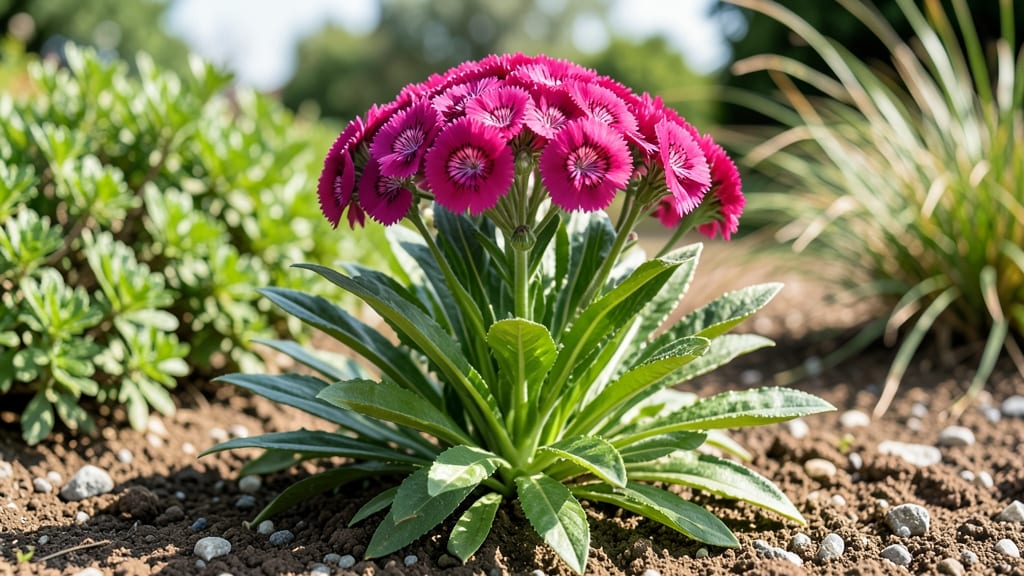
Sweet William blooms between 60 and 120 days after planting, but timing varies wildly by variety, zone, and even your local microclimate. 🌸
Picture this: you’ve waited all spring for those clusters of cheerful faces to pop, only to find your neighbors’ gardens already bursting with color while yours sits stubbornly green.
That gap isn’t laziness—it’s science, and knowing the right window for your specific type of Sweet William could mean the difference between a stunning spring display and a season of disappointment.
From the earliest bloomers like ‘White Simplicity’ (which can flower as soon as 60 days in warm zones) to late-season varieties that hold on until July, your USDA zone plays a starring role.
In Zone 6a, where many gardeners call home, expect the first buds to peek around mid-May if planted in March—but push that window too late, and you’ll be left with leggy stems and no flowers.
Here’s what you’ll discover: how to read your plant’s cues, adjust for your climate, and even nudge blooms earlier (or later) with simple tricks. No more guessing—just predictable, vibrant blooms on your schedule.
Sweet William bloom time by variety: when to expect first flowers
Sweet Williams (Dianthus barbatus) are classic spring bloomers that bring vibrant clusters of color to gardens. But not all varieties bloom at the same time—some burst into flower as early as late April, while others wait until June.
Knowing your specific variety’s bloom window helps you plan for stunning displays and avoid disappointment. Whether you’re growing 'White Simplicity' for its delicate petals or 'Red Velvet' for bold drama, timing is everything.
The key to predicting bloom time lies in understanding each variety’s genetic traits and environmental needs. Early bloomers like 'Salutation' series often start flowering 4-6 weeks sooner than late-season types. Meanwhile, climate zone and planting time further shift these windows.
For example, a Zone 5 garden might see blooms 2-3 weeks later than a Zone 8 one. Let’s break down the most popular varieties and their typical bloom schedules.
If you’re growing Sweet Williams from seeds, expect blooms to arrive 8-12 weeks later than if you plant transplants. For example, seeds sown in March (Zone 6) typically flower by late June, while transplants planted in April may bloom as early as May.
This is why many gardeners opt for early spring transplants to ensure timely blooms.
Another critical factor is light exposure. Sweet Williams need full sun (6+ hours daily) to trigger blooming. If your garden receives only partial sun, blooms may arrive 2-4 weeks later or produce fewer flowers.
Look for bud formation in late winter—this is your first clue that blooms are on the way. The buds will swell and turn pink or purple before opening.
To extend your Sweet William’s bloom time, practice deadheading (removing spent flowers). This encourages continuous flowering for up to 2-3 months in ideal conditions. For varieties like 'Black Prince', which bloom later, consider light pruning after the first flush to promote a second round of flowers.
Just be sure to prune after blooming to avoid cutting off next year’s buds.
For gardeners in cooler climates (Zones 3-5), Sweet Williams often bloom earlier because they respond to longer daylight hours in spring. In warmer zones (7-10), blooms may stretch into early summer if temperatures stay mild. However, heat above 85°F (
How climate zones affect Sweet William bloom time: USDA Zone guide
Your Sweet William bloom time shifts dramatically depending on your USDA hardiness zone. In Zone 3, for example, these cheerful flowers often wait until late May to burst into color, while Zone 10 gardeners may enjoy blooms as early as February.
Understanding these variations helps you time planting and care for peak performance.
Frost sensitivity plays a critical role—Sweet Williams can't tolerate temperatures below 20°F (-7°C). In colder zones, early blooms risk frost damage, while warmer climates may experience prolonged flowering. Let's explore how to adjust your approach for each zone to maximize those stunning clusters of blooms.
| USDA Zone | Typical Bloom Window | Frost Risk | Soil Prep Tip | Mulching Strategy |
|---|---|---|---|---|
| Zones 3-5 | Late May - June | High (below 20°F) | Add compost in early spring | 3-4" organic mulch after last frost |
| Zones 6-8 | April - May | Moderate (below 25°F) | Mix in aged manure before planting | 2-3" mulch in early spring |
| Zones 9-10 | February - March | Low (below 30°F) | Amend soil with perlite | 1-2" mulch to retain moisture |
In Zones 3-5, where frosts linger, I recommend planting Sweet Williams as early as late April to give them a head start. The 3-4 inch mulch layer helps insulate roots during late-spring frosts that might otherwise damage emerging blooms.
For Zone 6-8 gardeners, focus on soil preparation—mixing in aged manure before planting provides essential nutrients for faster bloom development.
Warmer climates in Zones 9-10 offer the advantage of earlier blooms, but heat can shorten the flowering period. To extend your Sweet William bloom time, I suggest planting in fall (October-November) for a winter/spring display. The perlite-amended soil improves drainage, preventing root rot in heavy summer rains.
Regardless of your zone, deadheading spent blooms encourages continuous flowering. In colder zones, this practice helps redirect energy to root development for next year's display. For Zone 10 gardeners, frequent deadheading can extend blooms through summer's heat—just be prepared to provide afternoon shade during peak temperatures.
Pro tip: Use row covers in early spring for Zone 3-5 gardens to protect tender new growth from late frosts. This simple technique can advance your Sweet William bloom time by 2-3 weeks, giving you more vibrant color in your garden beds.