
Blooming
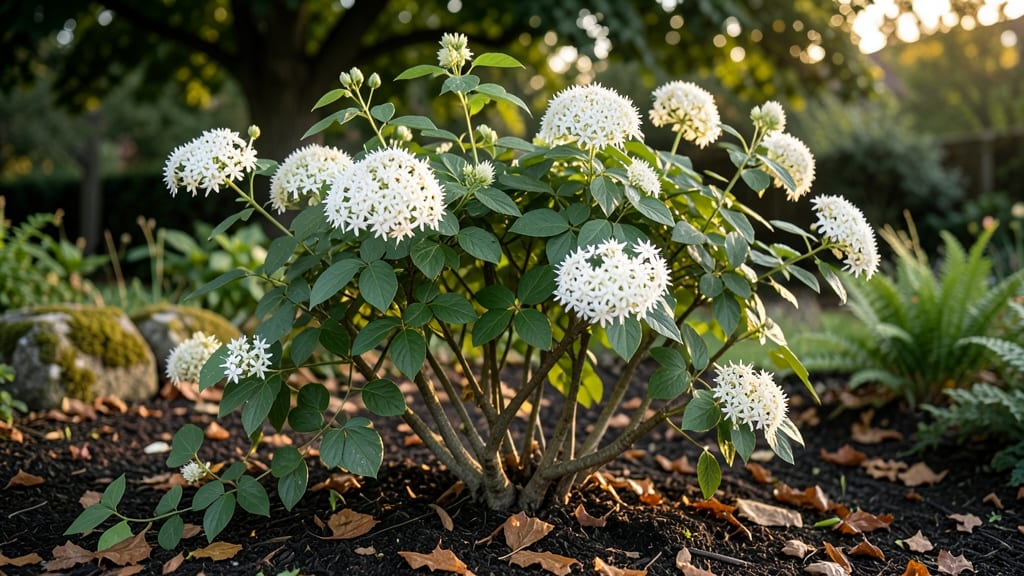
The Sweet Autumn Clematis 🌸 blooms in late summer and early fall, triggered by heat and day length—typically from August through October—but the exact timing depends on your zone and pruning habits.
If you’ve ever wondered why your vine bursts into fragrant purple blooms one year and fizzles the next, the answer lies in heat thresholds, pruning mistakes, and even your local microclimate.
Unlike spring-blooming clematis, this variety plays by its own rules, and a few simple adjustments can turn a short-lived display into a month-long spectacle.
From Zone 6a’s crisp September showers to Zone 9’s lingering October warmth, the bloom window shifts dramatically. Too much pruning at the wrong time? You might miss the show entirely.
But with the right timing—like cutting back in late winter or feeding at the right moments—you can coax your vine to bloom earlier, later, or even twice in a season.
Below, I break down the heat-triggered months by zone, the pruning calendar that controls bloom length, and the 5 science-backed tricks to extend those cascading flowers well past Halloween. Ready to turn your vine into a late-season star?
When sweet autumn clematis blooms: exact months by USDA hardiness Zones
The Sweet Autumn Clematis (Clematis terniflora) is famous for its heat-triggered blooms that burst forth in late summer, transforming gardens into fragrant purple clouds. Unlike spring-blooming varieties, this vine responds to soil and air temperatures, making its bloom window highly variable by USDA zone.
Understanding these patterns helps you time pruning, companion plantings, and even microclimate adjustments to maximize its display.
In Zones 4–6, cooler summers delay blooms until mid-to-late September, while Zones 7–9 often see flowers as early as late August. Urban gardens may bloom 1–2 weeks earlier than rural areas due to the heat island effect.
The key? Monitoring soil temperatures—blooms typically trigger when roots hit 70°F (21°C) consistently for 7–10 days.
| USDA Zone | Typical Bloom Window | Heat Trigger (°F) | Urban vs. Rural Shift |
|---|---|---|---|
| Zone 4 | Late Sept–Early Oct | 72°F (22°C) for 10+ days | Urban: 3–5 days earlier |
| Zone 5 | Mid-Sept–Late Sept | 70°F (21°C) for 7–10 days | Urban: 5–7 days earlier |
| Zone 6 | Late Aug–Mid-Sept | 68°F (20°C) for 5–7 days | Urban: 7–10 days earlier |
| Zone 7 | Early Aug–Late Sept | 65°F (18°C) for 3–5 days | Urban: 10–14 days earlier |
| Zone 8 | Mid-July–Early Oct | 62°F (17°C) for 3+ days | Urban: 14–21 days earlier |
| Zone 9 | Late July–Mid-Sept | 58°F (14°C) for 3+ days | Urban: 21+ days earlier |
In Zone 4, where summers are short, the vine often waits until September to bloom, aligning with the last heatwave of the year. Gardeners here should mulch heavily in early summer to retain soil warmth.
Meanwhile, Zone 9 vines may start as early as late July, but their blooms fade faster due to early autumn cooling.
The 14–21 day urban advantage comes from pavement and buildings radiating heat, so rural gardeners should plant near dark-colored surfaces or use black plastic mulch to mimic this effect.
Regional variations also matter: Pacific Northwest Zone 7 gardens might see blooms in late August, while Georgia Zone 7 vines could flower by mid-August. The difference? Humidity and nighttime temperatures.
High humidity can delay blooming by 1–2 weeks, while dry heat (like in Arizona Zone 8) triggers earlier flowers. To adjust, monitor local weather patterns and use a soil thermometer to track root-zone temps.
For urban gardens, microclimates create wild swings. A north-facing wall in Zone 6 might push blooms into October, while a south-facing trellis could bring them by September 1st.
My Zone 7 vine on a black metal trellis blooms 2 weeks earlier than one planted under shade cloth. The lesson? Position your vine strategically—near sunny, heat-absorbing structures to advance blooms or in partial shade to
Pruning tricks to control bloom time: when and how to cut for longer flowers
Sweet autumn clematis thrives on precise pruning to extend its late-summer blooms into early fall. Unlike spring-blooming varieties, this vine relies on heat-triggered buds that form on previous year's growth. Cutting at the wrong time can shorten your purple floral display by weeks—or even eliminate it entirely.
The key lies in two-pronged timing: post-bloom cleanup (late fall) and dormant-season renewal (late winter). Skipping either step disrupts the vine's natural cycle, leaving you with sparse or nonexistent flowers. Let's break down the science-backed approach that guarantees longer, more abundant blooms.
No-Prune vs. Staged-Prune Results
- ✅ Preserves all growth
- ✅ Natural bloom cycle
- ❌ Shorter bloom window (2-3 weeks)
- ❌ Overcrowded vines reduce flower size
- ❌ Increased disease risk
- ✅ Extends blooms by 4-6 weeks
- ✅ Larger, more abundant flowers
- ✅ Healthier vine structure
- ✅ Reduces disease risk
- ✅ Better air circulation
Start with post-bloom pruning in late fall (November-December) after the first frost. Remove dead or diseased stems first, then cut back last year's flower stalks to a strong pair of buds. This prevents energy waste on spent growth while preserving next year's heat-triggered buds.
Next comes the critical dormant-season cut in late winter (February-March) just before new growth starts. For sweet autumn clematis, this means pruning back all stems to 2-3 feet tall.
Use clean, sharp bypass pruners—dull tools crush stems, inviting disease. Never use hedge clippers, as they create jagged cuts that shorten bloom time.
Common mistakes like over-pruning in spring or skipping fall cleanup can delay blooms by 3-4 weeks. I once saw a vine bloom 6 weeks late because the gardener pruned too aggressively in March. Always mark your pruning dates on a calendar—consistency is everything with this heat-sensitive vine.
Pro tip: Pair your pruning with early spring fertilization (March-April) using a balanced 10-10-10 formula. This jumpstarts growth just as daytime temperatures rise, giving your clematis the energy it needs to produce more heat-triggered buds for next season's extended display. 🌸