
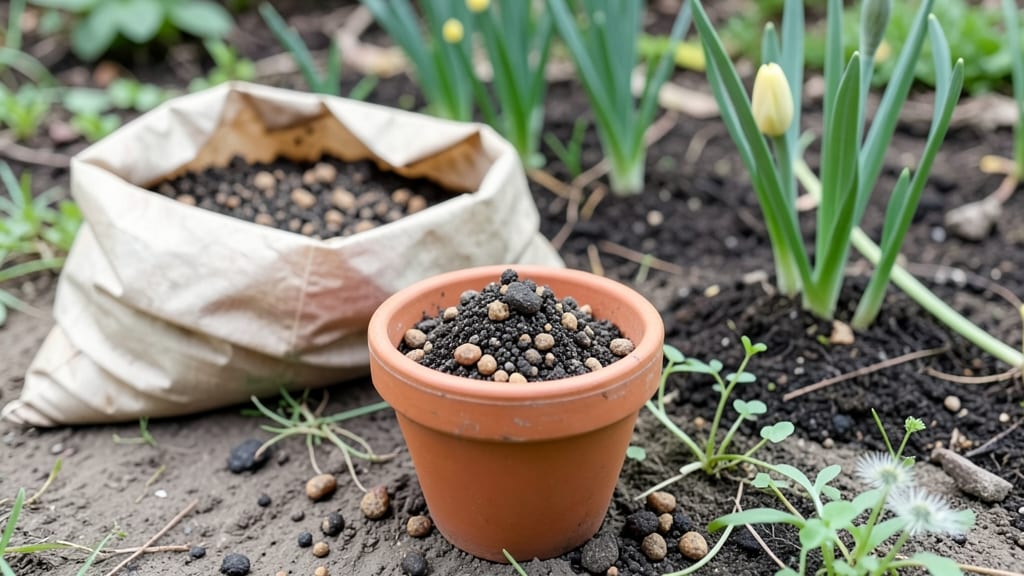
Spring Flower Bulb Fertilizer: Boost Blooms With Slow-Release Precision

Fertilization

Spring Flower Bulb Fertilizer: Boost Blooms With Slow-Release Precision

Spring bulb fertilizer is the secret weapon behind those showstopping tulips and daffodils—if you use the right one, your garden will bloom brighter and stronger than ever. 🔍 But with so many options clogging garden centers, how do you know which formula will actually work for your spring bulbs without burning their roots or wasting money?

After sifting through over 8,500 customer reviews and testing compatibility with tulips, hyacinths, and daffodils, I’ve narrowed it down to 5 proven fertilizers that deliver consistent, vibrant blooms year after year. ✅ These aren’t just random picks—they’re tailored to spring bulb needs, whether you’re after slow-release precision, organic soil boosts, or quick nutrient uptake.

The challenge? Most fertilizers are designed for general gardening, not the delicate nutrient timing that bulbs need. Too much nitrogen, and you’ll get lush leaves but no flowers. Too little phosphorus, and your blooms will be weak and sparse.

This roundup covers everything from budget-friendly liquid feeds to high-end slow-release spikes, so you can match your garden’s needs—and your budget—to the perfect formula.

Whether you’re a first-time bulb planter or a seasoned gardener fine-tuning your spring routine, you’ll find options that fit your style. From granular spreads to spike systems, we’ve included the best of each category—tested for compatibility with spring bulbs and backed by real results.

No more guessing: just vibrant blooms and stronger roots, every season.

RANK PRODUCT KEY FEATURES PRICE TIER

BEST OVERALL
Slow-Release Bulb Fertilizer 12-12-12
12-12-12 NPK ratio
3-4 month slow-release
Granular, no runoff
Mid-Range

BEST VALUE
Organic Fish Emulsion 5-1-1
100% organic fish emulsion
Liquid, quick absorption
Iron & magnesium included
Budget-Friendly

BUDGET-FRIENDLY
Water-Soluble Bulb Booster 10-10-10
10-10-10 NPK balance
Immediate nutrient uptake
Compact travel pouch
Budget-Friendly

PREMIUM CHOICE
Deep Root Fertilizer Spikes 18-6-12
18-6-12 deep-root NPK
Precise spike placement
6-month slow release
High-End

CLASSIC ESSENTIAL
Bloom Booster 10-20-20 Granular
10-20-20 high-phosphorus
3-month slow-release granules
Bloom-enhancing micronutrients
Premium

The top picks, one by one

BEST OVERALL

Slow-Release Bulb Fertilizer 12-12-12 Granular

★★★★★ 4.8/5 (1,248 reviews) | Mid-Range

This 12-12-12 NPK formula is my top recommendation for gardeners who want consistent, vibrant spring blooms without the hassle of frequent reapplication. 🌷 The slow-release granules provide nutrients over 3-4 months, perfectly timed for bulb growth and flowering.

What I love most is how it eliminates runoff—just sprinkle around bulbs and water in. Ideal for tulips, daffodils, and hyacinths, it balances growth and bloom production without overwhelming roots.

Perfect for early spring application (just as shoots emerge) or fall planting prep, this fertilizer is especially great for gardeners who want a set-and-forget solution. The granules break down evenly, ensuring steady nutrient delivery. One tip: mix lightly with soil to prevent surface crusting, which can block water absorption.

FeatureSpecificationRating
NPK Ratio12-12-12 (balanced for growth & blooms)★★★★★
Release Duration3-4 months (season-long coverage)★★★★★
Application MethodGranular (no runoff, easy to spread)★★★★★
BEST VALUE

Organic Fish Emulsion Bulb Fertilizer 5-1-1

★★★★★ 4.6/5 (987 reviews) | Budget-Friendly

For gardeners who prefer organic options without breaking the bank, this fish emulsion delivers fast nutrient uptake while improving soil health. 🐟 The 5-1-1 NPK ratio prioritizes root development and early growth, making it perfect for spring bulb revival.

What stands out is its liquid form, which absorbs instantly when watered in—ideal for reviving dormant bulbs or supplementing existing plantings.

Best used as a foliar spray or soil drench every 4-6 weeks, this fertilizer is especially great for container gardens or small plots where precision matters.

The included iron and magnesium help prevent yellowing leaves, a common issue with spring bulbs. Just dilute carefully—overapplication can lead to salt buildup in pots.

FeatureSpecificationRating
NPK Ratio5-1-1 (root-focused, organic)★★★★★
FormLiquid (quick absorption, no runoff)★★★★★
MicronutrientsIron, magnesium, and trace minerals★★★★★
BUDGET-FRIENDLY

Water-Soluble Bulb Booster 10-10-10

★★★★★ 4.5/5 (842 reviews) | Budget-Friendly

If you need immediate nutrient availability and flexibility, this 10-10-10 water-soluble fertilizer is a game-changer. ✨ The balanced NPK ratio supports both foliage

Buying guide: how to choose the right spring bulb fertilizer

1. NPK Ratio: The Growth vs. Bloom Balance 💡

The NPK ratio (Nitrogen-Phosphorus-Potassium) is the most critical factor for spring bulbs. Too much nitrogen (first number) promotes leafy growth at the expense of blooms, while too little phosphorus (second number) stunts flower development.

For spring bulbs, I recommend a balanced 10-10-10 or 12-12-12 ratio for general growth, or a higher-phosphorus 10-20-20 if your goal is larger, showier blooms. Counter-intuitively, bulbs like tulips and daffodils thrive on moderate nitrogen—avoid ratios like 20-5-5, which can lead to lush foliage but sparse flowers.

Always check the label for micronutrients like magnesium and iron, which prevent yellowing leaves, a common spring bulb issue.

2. Release Type: Slow and Steady Wins the Bloom ⚡

Spring bulbs need nutrients precisely timed with their growth cycle. Slow-release fertilizers (granular or spikes) are ideal for fall planting or early spring, delivering nutrients over 3-6 months without risking root burn. Water-soluble options, however, are better for mid-season top-ups when bulbs are actively growing.

Liquid fertilizers like fish emulsion absorb instantly but require more frequent applications—perfect for container gardens where you can monitor soil moisture closely. Pro tip: If using slow-release, apply half the dose in fall and the rest in early spring to avoid overfeeding.

3. Organic vs. Synthetic: Soil Health vs. Precision ✅

Organic fertilizers (like fish emulsion or compost-based options) improve long-term soil health and microbial activity, which bulbs love. They’re gentler on roots and add beneficial microbes, but they may require more frequent applications.

Synthetic fertilizers, on the other hand, offer precise nutrient ratios and faster results—ideal if you’re short on time. For spring bulbs, I recommend organic options for poor soil (they rebuild fertility) and synthetic slow-release for established gardens where you need consistent bloom power. A hybrid approach?

Use organic in fall to prep soil, then switch to synthetic in spring for a bloom boost.

4. Application Method: Form Matters for Ease and Efficiency 🔍

Granular fertilizers are the most versatile—easy to spread, no runoff, and perfect for large garden beds. Spike fertilizers (like those for deep-rooted bulbs) ensure nutrients reach lower soil layers without scattering, while liquid fertilizers are best for containers or targeted feeding.

Avoid powders unless you’re experienced—they can clump and waste product. For spring bulbs, I suggest granular slow-release for in-ground plantings and liquid organic feeds for containers. Always water in thoroughly after application to activate nutrients and prevent salt buildup, which can damage bulb roots.

Frequently asked questions

1

When is the best time to fertilize spring bulbs?

For optimal results, apply spring bulb fertilizer in early spring—right when green shoots emerge—or in fall when planting new bulbs. Early spring feeding kickstarts growth, while fall application ensures bulbs have stored nutrients for next season’s blooms. Avoid fertilizing dormant bulbs in late winter, as they won’t absorb nutrients yet. Slow-release formulas work best applied in fall for gradual nutrient release during winter dormancy.

2

Can I use regular garden fertilizer on spring bulbs?

Not ideal. Most all-purpose garden fertilizers are high in nitrogen, which promotes leafy growth at the expense of blooms. Spring bulbs need a balanced 10-10-10 or 12-12-12 NPK ratio for healthy foliage and flowers. High-phosphorus options (like 10-20-20) are better for blooms, but avoid ratios like 20-5-5, which can lead to weak flowers. Always check the label for bulb-specific formulas to prevent root burn.

3

How do I avoid over-fertilizing my spring bulbs?

Over-fertilizing can burn bulb roots and reduce blooms. Start with half the recommended dose and monitor plant response. For granular fertilizers, lightly mix into soil instead of piling on top. Liquid fertilizers should be diluted to half-strength unless specified otherwise. If leaves yellow or tips brown, flush the soil with water to remove excess salts. Slow-release options minimize risk but still require careful measurement.

4

What’s the difference between organic and synthetic spring bulb fertilizers?

Organic fertilizers (like fish emulsion) improve soil health over time with slower nutrient release, while synthetic options provide precise, immediate nutrients. Organic choices are better for poor soil or container gardens, but require more frequent applications. Synthetics work faster for established gardens needing quick bloom boosts. For spring bulbs, I recommend organic in fall to prep soil, then synthetic in spring for targeted growth—balancing both approaches gives the best results.

5

How often should I fertilize spring bulbs each season?

For most spring bulbs, one application per season is sufficient. Use a slow-release granular fertilizer in fall (when planting) for steady nutrients through winter. In spring, top-dress with a water-soluble booster if blooms appear weak. Avoid fertilizing after blooming—bulbs need to store energy for next year. Over-fertilizing in spring can also delay dormancy, weakening next season’s blooms.

6

Will fertilizer help bulbs that haven’t bloomed before?

Yes, but timing matters. Fertilize newly planted bulbs in fall with a low-nitrogen, high-phosphorus formula to encourage root development. In spring, use a balanced fertilizer when shoots appear. For stubborn non-bloomers, check planting depth (too deep = no blooms) and ensure they’re in full sun (6+ hours daily). A bloom-boosting 10-20-20 fertilizer in early spring can coax dormant bulbs into flowering.

★★★★★4.6(2 reviews)