
Blooming
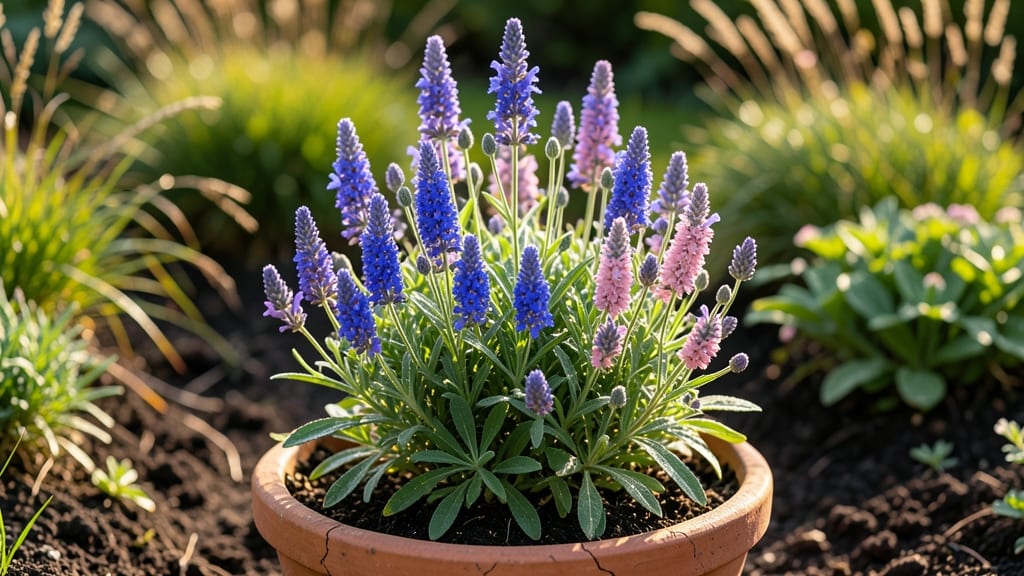
Speedwell blooms in late spring through summer, but the exact timing depends on your variety and care routine — and yes, you can coax a second round of flowers with the right tricks.
Picture this: you’ve just planted your 🌸 Speedwell in March, and by May, those delicate spikes of blue or purple are a garden highlight. But by July? The show is over — unless you know how to reset the clock.
Some varieties, like Veronica spicata, bloom for 6-8 weeks straight, while others need a little encouragement. The key? Deadheading spent blooms at the right time, adjusting water, and even tweaking sunlight. I’ll walk you through the exact steps to turn a one-time burst of color into a season-long display.
Ready to keep your Speedwell flowering longer? You’ll learn which varieties rebloom naturally, how to prune without cutting too much, and the one mistake that kills reblooming faster than anything else.
Speedwell bloom time by variety: when and how long they flower
Speedwell (Veronica spp.) dazzles with its compact blooms and long-lasting flowers, but their bloom time varies dramatically by variety. Some varieties burst into color in early spring, while others thrive as late-season performers.
Understanding these differences helps you plan your garden for continuous color. Whether you grow annual speedwell for quick impact or perennial varieties for years of blooms, timing is everything.
Most speedwell varieties bloom for 4-8 weeks per season, but with proper care—like deadheading spent blooms—you can coax reblooming from many types. Early bloomers like Veronica incana start as early as late April, while late-season varieties like Veronica spicata can extend their show until early fall.
Let’s break down the bloom cycles by variety so you can choose the perfect speedwell for your garden’s timeline.
The early bloomers like Veronica incana are perfect if you want spring color while other perennials are still waking up. These varieties thrive in cool temperatures and often finish blooming by June, making them ideal for cutting gardens before summer heat sets in.
Their fuzzy foliage also adds texture to early-season arrangements.
For longer bloom seasons, focus on repeat-blooming varieties like Veronica spicata. This spiked speedwell can flower from late May through September if you deadhead regularly. Its compact spikes make it a favorite for pollinator gardens, as bees and butterflies adore its nectar-rich blooms.
Plant it in full sun to partial shade for the best results.
If you’re aiming for fall interest, hybrid varieties like 'Sunny Border Blue' are game-changers. These reblooming hybrids can extend their show well into October, especially in cooler climates.
Pair them with late-blooming asters or goldenrod for a stunning autumn display. Their compact growth habit also makes them perfect for container gardens on patios.
One common misconception is that all speedwell varieties bloom at the same time. In reality, strategic planting can create a sequential bloom effect. For example, plant Veronica incana in early spring, followed by Veronica spicata in late spring, and top it off with hybrids in summer.
This layered approach ensures your garden stays vibrant from March through October.
Deadheading speedwell for extended blooms: step-by-step hacks by type
Deadheading isn't just about tidying up your speedwell plants—it’s the secret to unlocking their full bloom potential. When done right, deadheading can extend speedwell bloom time by weeks, especially for varieties like Veronica spicata or Veronica longifolia.
The key lies in understanding when and how much to prune, as well as the tools to use for each type.
Not all speedwells respond the same way to deadheading. Annual varieties like Veronica peregrina may need more frequent trims, while perennial types like Veronica incana can handle a single mid-season pruning.
Over-pruning risks stunting growth or preventing future blooms, so precision matters. Let’s dive into the step-by-step hacks tailored to your speedwell’s type.
Use sharp bypass pruners for thick stems or clean scissors for delicate varieties. Avoid tearing stems, which invites disease.
Trim spent blooms right after flowering (late morning) for annuals. For perennials, wait until 50% of blooms fade to avoid shocking the plant.
For spike varieties (e.g., Veronica spicata), cut 1/3 above the lowest set of leaves. For ground covers (e.g., Veronica prostrata), shear just above new growth.
Never remove more than 1/3 of the plant at once. Perennials may need one annual pruning, while annuals can handle weekly trims during peak bloom.
Water deeply after pruning to reduce stress. Add a balanced fertilizer (5-10-10) if new growth appears slow.
For Veronica spicata, a mid-summer pruning can trigger a second flush of blooms by late summer. Meanwhile, Veronica longifolia benefits from a light trim in early spring to encourage bushier growth and longer speedwell bloom time.
Always sterilize your tools with rubbing alcohol between plants to prevent disease spread.
Pro tip: If your speedwell stops reblooming, check for nutrient deficiencies or overcrowding. Divide mature clumps every 3-4 years to rejuvenate growth. With these hacks, your speedwell will bloom longer and harder than ever before!
🌿✂️🌸