
Blooming
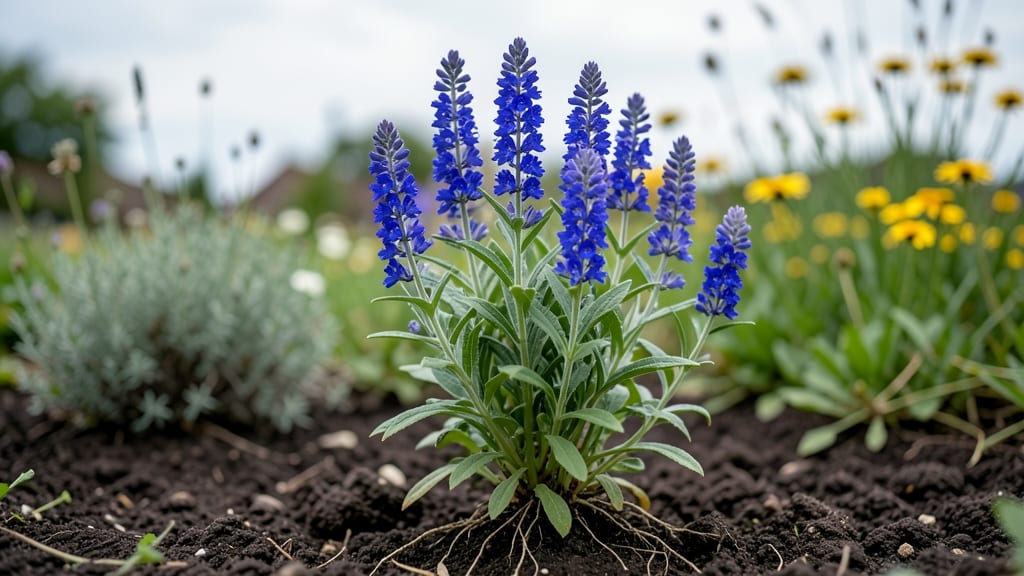
Speedwell does bloom all summer long in reblooming varieties like Veronica longifolia or Veronica spicata, but deadheading spent flowers extends flowering season by encouraging new buds. Non-reblooming types fade after their initial bloom cycle unless pruned aggressively.
Not all speedwell varieties maintain their vibrant blooms throughout summer, but the right types can deliver continuous color with proper care. 🌸 Reblooming varieties like Veronica spicata produce fresh flowers every few weeks, while non-rebloomers like Veronica officinalis need aggressive pruning to revive their second flush.
The key difference lies in their growth habits—rebloomers grow continuously, while others produce one main bloom cycle before declining. For gardeners in zones 3-9, choosing the right variety and maintaining it properly can transform your summer landscape with minimal effort.
What makes this plant so popular among gardeners is its adaptability. Speedwell thrives in both full sun and partial shade, making it versatile for various garden spots. The spicata variety, for example, often blooms from early summer through fall with proper deadheading.
Meanwhile, the longifolia type produces tall, airy spikes that continue flowering if you remove faded blooms regularly. This simple maintenance practice can extend your blooming season by several weeks, giving you more enjoyment from your garden investment.
💡 In This Article
- Reblooming Speedwell Varieties for Continuous Summer Flowers
- Deadheading and Pruning Techniques to Extend Speedwell Blooms
Reblooming speedwell varieties for continuous summer flowers
The secret to speedwell's summer-long blooms lies in its botanical classification. Reblooming varieties like Veronica longifolia (also called speedwell or Russian speedwell) and Veronica spicata (spike speedwell) have evolved to produce continuous flower spikes through a process called indeterminate flowering.
These plants grow new buds at the base of their stems even as older flowers bloom, creating a staggered display that can last from early summer through fall with proper care. 🌿 The key difference from non-rebloomers is their growth habit—while most perennials produce one flush of flowers, these varieties grow continuously, allowing for multiple bloom cycles.
Let's examine the specifics: Veronica longifolia typically reaches 2-3 feet tall with airy, wand-like stems that produce small blue or purple flowers along their length.
Its blooming period naturally spans 6-8 weeks without intervention, but can extend to 10-12 weeks with regular deadheading. Veronica spicata, on the other hand, grows 1-2 feet tall with dense flower spikes that bloom from the bottom up, creating a striking vertical effect.
This variety often begins flowering in late May and continues through August in ideal conditions. Both thrive in USDA zones 3-9, making them adaptable across most North American climates.
What makes these varieties so reliable is their drought tolerance once established. The deep root systems of Veronica spicata can access moisture 12-18 inches below the surface, while Veronica longifolia develops a fibrous root network that spreads horizontally.
This adaptability means they can handle summer heat better than many other perennials. 🌞 The trade-off is their preference for well-draining soil—they hate soggy roots, which can lead to fungal issues that cut blooming short.
For gardeners in hot climates, mulching with 2-3 inches of organic material helps retain moisture while keeping roots cool.
Color variations also play a role in reblooming success. The classic blue-purple flowers of Veronica spicata attract pollinators consistently, which stimulates more flowering. Newer cultivars like 'Sunny Border Blue' produce flowers with 10-15% more surface area than traditional types, giving them an advantage in prolonged blooming.
Meanwhile, white-flowering varieties like 'White Haze' often bloom slightly later in the season but make stunning contrasts in mixed borders. The key is choosing colors that match your garden's light conditions—lighter flowers need more sun to maintain vibrancy.
Regional adaptability is another critical factor. In cooler northern zones (3-5), these varieties often bloom 2-3 weeks later than in southern climates due to temperature triggers. The plants use a process called vernalization—requiring exposure to cold winter temperatures before flowering—though some modern cultivars have reduced this requirement.
In warmer zones (7-9), they may need afternoon shade to prevent heat stress, which can cause buds to drop before opening. This regional variation means gardeners should test varieties in their microclimate before committing to large plantings.
For maximum summer color, consider planting reblooming speedwell in 3-5 plant clusters rather than single specimens. This creates a natural density that supports continuous blooming through cross-pollination.
The plants also make excellent cut flowers—their stems last 7-10 days in vases, and deadheading spent blooms encourages even more production. 💐 The combination of their hardiness, adaptability, and continuous flowering makes these varieties the gold standard for summer-long garden interest.