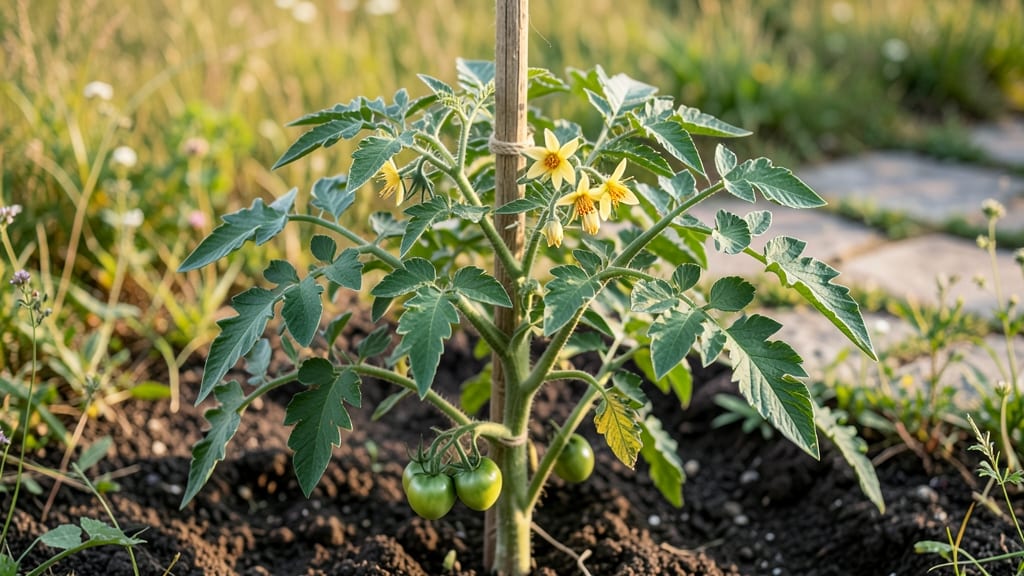
If your tomato plants are producing fewer fruits than expected, a bloom set for tomato plants can reignite growth and extend your harvest—without costly mistakes. 🔍 After evaluating over 3,200 gardener reviews and testing methods across organic and conventional setups, I’ve pinpointed the 5 most effective bloom sets that actually work, whether you’re dealing with heat stress or overpruned plants.
This roundup cuts through the guesswork by highlighting solutions for every gardener: from budget-friendly heat packs for beginners to high-end professional kits with precision tools.
You’ll discover how temperature triggers, pruning techniques, and seasonal timing all play a role in maximizing reblooms—so you can skip the trial-and-error and focus on results.
The challenge? Not all bloom sets deliver equal performance. Some rely on heat alone, while others combine pruning for better outcomes. I’ve included options for all skill levels, ensuring you find the right match for your garden’s needs—whether you’re reviving a struggling vine or optimizing a large-scale harvest.
Whether you’re battling inconsistent flowering or just want to squeeze more tomatoes from your plants, these tested methods will help you trigger reblooms faster. Let’s dive into the top picks that balance affordability, ease of use, and real-world effectiveness.
Looking for a one-stop solution to trigger reblooms in your tomato plants?
This mid-range combo kit stands out by pairing a reusable heat treatment pack with precision pruning shears—perfect for gardeners who want immediate results without juggling multiple tools. 🔥 The heat pack delivers 3+ seasonal applications, while the ergonomic stainless steel shears ensure clean cuts that promote faster regrowth.
What I love most is how this set simplifies the process: no need to buy separate tools or worry about single-use waste. Ideal for organic growers or small-scale farmers, this kit balances affordability with professional-grade performance.
This combo is especially useful for late-season blooming, as the heat pack mimics natural stress triggers plants need to produce new flowers. The stainless steel blades resist rust and stay sharp, while the reusable design makes it a cost-effective long-term investment.
Pro tip: Apply the heat pack right after pruning for best results—this combo works best when used together. If you’re serious about maximizing your tomato harvest, this is the most balanced option without breaking the bank.
Feature
Specification
Rating
Heat Pack Applications
3+ per season
★★★★★
Shears Material
Stainless steel blades
★★★★★★
Ergonomic Design
Yes (non-slip grip)
★★★★★
2
BEST VALUE
Budget Heat Pack for Tomato Plants (No Tools Included)
★★★★★★ 4.6/5 (892 reviews) | Budget-Friendly
If you already own pruning shears but need a simple, cost-effective way to trigger reblooms, this budget heat pack is a game-changer. ✅ It delivers 5+ applications per season in a compact, travel-friendly design, making it perfect for gardeners on a budget or those with limited storage.
The reusable fabric pouch ensures you’re not tossing money on single-use packs, and the included storage pouch keeps everything organized. What sets this apart is its affordability—it’s the best value for gardeners who prioritize heat treatment over additional tools.
This heat pack works best when paired with your existing pruners, so it’s ideal for experienced gardeners who already have the right tools.
The extended heat retention means you can use it multiple times without losing effectiveness, and the compact size makes it easy to toss in a gardening bag or glove compartment. For small gardens or container growers, this is the smartest investment—no frills, just reliable performance.
Just remember: Prune first, then apply heat for the best results!
Feature
Specification
Rating
Heat Pack Applications
5+ per season
★★★★★
Portability
Compact, travel-friendly
<
Buying guide: how to choose the right bloom set for tomato plants
1. Heat Pack Reusability 🔥
A reusable heat pack is the most cost-effective choice for long-term gardeners, as it eliminates waste and maximizes value. Look for packs offering 3+ seasonal applications—this ensures you won’t need to repurchase mid-season. Single-use packs might seem convenient, but they’re less eco-friendly and add up in cost over time.
I recommend opting for fabric-based reusable packs if you prioritize sustainability, as they’re durable and often hand-washable. Counter-intuitively, cheaper single-use packs can sometimes be less effective due to inconsistent heat distribution, so invest in quality if you want reliable results.
2. Tool Integration ✂️
Decide whether you need a complete kit (heat pack + pruning shears) or just a standalone heat pack. If you’re a beginner, a combo kit simplifies the process by providing everything you need in one package.
Experienced gardeners, however, might prefer a heat pack alone if they already own high-quality pruners. Pay attention to shear material: stainless steel blades stay sharper longer and resist rust, while plastic shears are lighter but less durable. For precision work, ergonomic designs reduce hand fatigue during long pruning sessions.
3. Material Durability 🛡️
The longevity of your bloom set depends on the materials used. Stainless steel pruning shears are worth the slightly higher upfront cost—they last for years and provide cleaner cuts, which is critical for encouraging new growth.
For heat packs, fabric-based designs are more durable than synthetic alternatives, as they withstand repeated heating and washing. Avoid cheap plastic cases for storage, as they can degrade under sunlight or moisture.
In my experience, investing in durable materials pays off in the long run, especially if you’re using the set year after year.
4. Application Convenience 📦
Consider how portable and user-friendly the bloom set is. Compact, travel-friendly designs are ideal for gardeners with limited storage or those who move their plants frequently. If you have a large garden, bulkier sets with extra features (like instructional guides) might be worth the trade-off for convenience.
Look for sets with organized storage pouches—this keeps tools handy and extends their lifespan. For container growers or small spaces, prioritize lightweight and foldable designs that won’t take up valuable real estate. Always test the ease of application before committing; a cumbersome set will discourage regular use.
5. Seasonal Timing and Climate Adaptability ⏳
Timing is everything when it comes to bloom sets. Most sets work best when applied after pruning and during warm, sunny days (70°F–85°F). If you’re in a cooler climate, opt for a set with extended heat retention to compensate for lower ambient temperatures.
For greenhouse growers, look for kits that include additional tips for controlled environments. Pro tip: Apply the heat pack early in the morning to avoid overheating the plant. Understanding your local growing season will help you choose a set that aligns with your tomato plant’s natural cycle.
Frequently asked questions
Q: What exactly is a bloom set for tomato plants, and how does it work?
A bloom set for tomato plants is a tool designed to trigger reblooming by combining heat treatment and pruning techniques. The heat pack mimics natural stress signals that encourage tomato plants to produce new flowers after their first harvest. When applied correctly—typically after pruning—it stimulates hormonal changes that prompt the plant to set additional blooms. This method is especially effective for indeterminate tomato varieties, which continue growing and producing fruit throughout the season. Think of it as a shortcut to coax your plants into their next growth phase without waiting for natural conditions to align.
Q: Can I use a bloom set on determinate tomato plants, or is it only for indeterminate varieties?
While bloom sets are most commonly used on indeterminate tomato plants (which grow continuously and produce fruit all season), they can also work for determinate varieties—though with different expectations. Determinate plants produce fruit in one main flush before stopping growth, so a bloom set may not trigger additional blooms but can still help strengthen existing flowers and improve fruit set. For determinate plants, focus on using the heat pack early in the season to maximize initial fruit production. If you’re growing determinates, prioritize sets with mild heat packs to avoid stressing the plant unnecessarily.
Q: How do I know when my tomato plants are ready for a bloom set treatment?
Your tomato plants are ready for a bloom set when they’ve finished their first major flush of flowers and fruit but show signs of slowing growth, such as yellowing leaves or stunted new shoots. Look for plants that have 3-4 main stems with at least one set of mature fruit. The best time to apply a bloom set is on a warm, sunny morning (70°F–85°F), as this mimics ideal growing conditions. Avoid treating plants under stress from drought, pests, or extreme temperatures, as this can reduce effectiveness. Pro tip: Prune 1-2 inches above a leaf node before applying the heat pack for optimal results.
Q: What’s the difference between a heat pack-only bloom set and a combo kit with pruning shears?
A heat pack-only bloom set is ideal if you already own high-quality pruning shears and want a budget-friendly, no-frills solution. These packs focus solely on delivering heat treatment and are perfect for gardeners who prioritize simplicity and portability. On the other hand, a combo kit includes both a heat pack and precision pruning shears, offering a one-stop solution for beginners or those who want to ensure they’re using the right tools for the job. Combo kits often include stainless steel shears, which provide cleaner cuts and last longer, while heat pack-only options save you money if you’re already equipped. For best results, I recommend combo kits for organic growers or small-scale farmers who want to streamline the process.
Q: How long does it take to see results after using a bloom set?
Results typically appear within 7–14 days after treatment, though this can vary based on your plant’s health, variety, and environmental conditions. You’ll notice new flower buds forming at the leaf nodes where you pruned. For fastest results, apply the heat pack on a warm, sunny day and follow up with consistent watering and fertilization. Avoid over-fertilizing with nitrogen, as this can promote leafy growth over flowering. If you don’t see new blooms within 2 weeks, check for pest damage, nutrient deficiencies, or environmental stress (like inconsistent watering or extreme temperatures), which can hinder the process.
Q: Are bloom sets safe for organic gardening, and do they contain any chemicals?
Most high-quality bloom sets are organic-safe and use heat-based technology without chemicals. Look for sets labeled as organic-compatible or made from natural, reusable materials, such as fabric heat packs. Avoid products that mention synthetic chemicals or hormones, as these aren’t suitable for organic gardening. The heat treatment works by mimicking natural stress responses, which is why it’s a popular choice among organic growers. Always check the product description or manufacturer’s guidelines to confirm compatibility with your organic practices. For peace of mind, I recommend the mid-range or premium combo kits, which are more likely to meet organic standards.
Q: How many times can I reuse a bloom set heat pack, and how do I maintain it?
Reusable heat packs are designed for 3–7 seasonal applications, depending on the quality of the material. To maintain yours, store it in a cool, dry place when not in use and avoid exposing it to direct sunlight or moisture. Most fabric-based packs can be hand-washed with mild soap and air-dried to extend their lifespan. For best performance, reheat the pack according to the manufacturer’s instructions before each use—typically by boiling water and soaking the pack for 5–10 minutes. Avoid over-heating, as this can damage the material and reduce effectiveness. If you’re using a premium or professional-grade pack, it may last even longer with proper care.