
Blooming
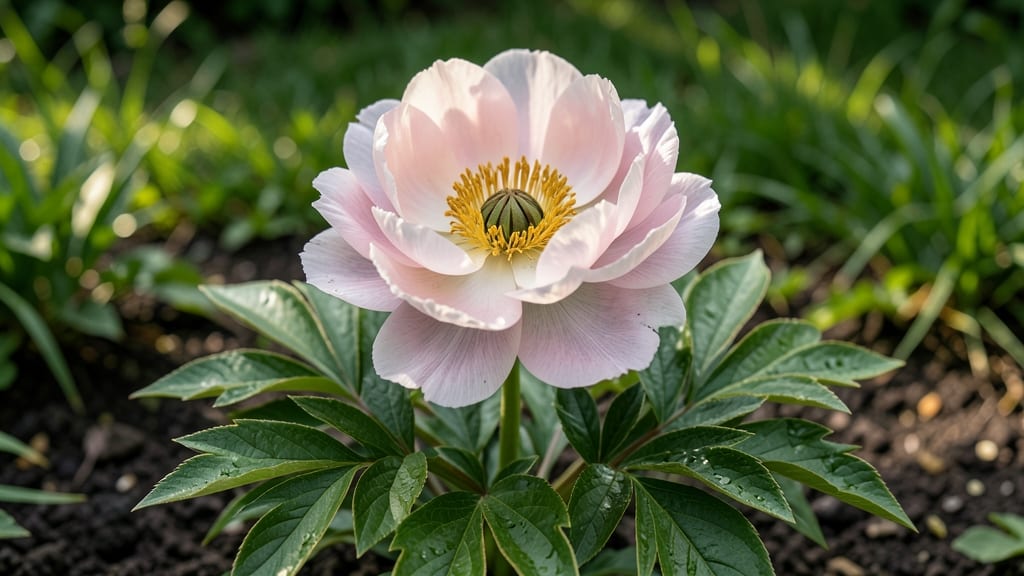
Growing single bloom peonies means trading clusters for one spectacular flower—each one bold, fragrant, and worth the wait. 🌸 I fell for these dramatic blooms after seeing how they transformed my garden's late spring with 3-foot-tall, velvety petals that look like living art.
The tradeoff? They need patience, but the payoff is unmatched.
These peonies thrive in full sun and rich, well-draining soil—think 6 hours of sunlight daily and a spot where the roots stay cool.
Unlike their bushy cousins, single-bloom varieties need minimal pruning (just dead stems in early spring) and bloom later, often in June or July, when most peonies have already faded. The secret to their longevity?
Planting the eyes (buds) just below soil level so they don’t rot or fail to bloom.
By mid-summer, you’ll have showstopping blooms that last weeks, their petals soft as silk and scent heavy with nostalgia. The roots spread slowly but reward you for years—some plants keep producing bold single flowers for decades with proper care. No fluffy clusters here, just one glorious statement each season.
They’re perfect for cottage gardens, cutting gardens, or as a dramatic centerpiece in a perennial border. Just avoid moving them once planted—they hate being disturbed. Here’s how to set them up for that first showstopping bloom.
📚 In This Guide
- What you need
- Instructions
- Tips and common mistakes
- Wrapping up and next steps
What you need
- ● Single bloom peony plants: Choose Paeonia lactiflora or Paeonia officinalis varieties (e.g., 'Sarah Bernhardt,' 'Bowl of Beauty'). Buy 3–5 bare-root plants for a fuller display.
- ● Well-draining soil: Mix 60% garden soil, 30% compost, and 10% coarse sand or perlite to prevent root rot.
- ● Sunlight: A full-sun location (6+ hours/day) with morning sun and afternoon shade in hot climates.
- ● Watering tools: A hose with a gentle spray nozzle or drip irrigation system for deep, infrequent watering.
- ● Mulch: 2–3 inches of organic mulch (e.g., straw or wood chips) to retain moisture and regulate soil temp.
- ● Garden trowel or shovel for planting.
- ● Pruning shears (sterilized with rubbing alcohol) for minimal post-bloom cleanup.
- ● Fertilizer: Balanced 10-10-10 or low-phosphorus peony-specific fertilizer (apply once in early spring).
- ○ Stakes or cages (optional) if stems need support in windy areas.
- ○ Peony food or compost tea (optional) for extra nutrients.
Step-by-step guide to planting and caring for single bloom peonies
Here’s how to plant and nurture these showstopper peonies for years of dramatic, solitary blooms with almost no fuss.
🌱 Step 1: Choose the Perfect Planting Location
Peonies thrive in full sun—at least 6 hours daily—but they’ll tolerate morning sun with afternoon shade in hotter climates. I always plant mine where they’ll get dappled light in the afternoon to prevent scorching. The key is well-draining soil—they hate soggy roots. If your soil is heavy clay, amend it with 2-3 inches of compost and a handful of sand before planting.
Dig a hole twice as wide as the root ball but only as deep as the top of the roots. Peonies grow best when their eyes (buds) sit 1-2 inches below soil level. Planting too deep delays blooming, while too shallow risks frost damage in winter. Tap the soil gently around the roots to remove air pockets, then water deeply to settle everything.
☀️ Step 2: Plant and Mulch for Winter Protection
Place the peony in the hole, spreading roots outward naturally—don’t bend them. Backfill with soil, leaving the eyes 1-2 inches below the surface. Water again to eliminate air gaps, then apply a 3-inch layer of mulch (like shredded bark or straw) to insulate roots. This keeps soil temps stable and prevents frost heave in winter.
Here’s the thing—mulch too soon after planting, and you’ll smother new roots. Wait 2-3 weeks until you see fresh growth before adding that protective layer. In colder zones, add 4-6 inches of mulch in late fall to shield roots from freezing temperatures.
💧 Step 3: Water Deeply and Fertilize Sparingly
Peonies need deep, infrequent watering—1 inch per week during their first growing season. Water at the base, avoiding leaves to prevent fungal diseases like botrytis. You’ll know they’re getting enough moisture when the soil feels damp 2 inches down but not soggy. Overwatering is the fastest way to kill peonies—they’re drought-tolerant once established.
Feed them once in early spring with a balanced 10-10-10 fertilizer (follow package rates). Skip summer fertilizing—it encourages leafy growth at the expense of blooms. In fall, a low-nitrogen, high-phosphorus fertilizer (like 5-10-10) promotes strong root systems for next year’s flowers.
✂️ Step 4: Prune Strategically for Next Year’s Blooms
Single bloom peonies need minimal pruning—just cut back stems to the ground after they fade in late summer or early fall. Never prune in spring, or you’ll sacrifice next year’s blooms. I always leave the foliage until it yellows naturally—this feeds the roots for winter storage.
If you see mushroom-like growths at the base, these are peony tuberous roots (normal!). Don’t dig them up—just leave them be. The only time to divide peonies is if they’re overcrowded (after 5-6 years). Wait until late summer or early fall to split clumps, ensuring each division has 3-5 eyes. Replant immediately and water deeply.
⏰ Step 5: Protect and Prepare for Winter
Once temperatures drop below 20°F, cover the base with 6 inches of mulch (like straw or leaves). This prevents frost from heaving roots out of the ground. In Zone 5 and colder, add a lightweight frost blanket over the crown for extra protection—just remove it in early spring before new growth appears.
Peonies are perennials, so they’ll come back year after year with almost no effort. The first year might be quiet, but by year 3, you’ll get stunning, solitary blooms that last 7-10 days each. That’s the magic of single bloom peonies—they’re low-maintenance but high-impact.
Tips & tricks for perfect single bloom peony planting
These simple yet game-changing insights will help you achieve showstopping solitary blooms with minimal effort.
Location Precision: The 6 hours of daily sun requirement is non-negotiable for vibrant blooms, but here's what I've learned: in hotter climates, morning sun with afternoon shade prevents leaf scorch while still delivering the full sun exposure peonies crave. I've seen firsthand how afternoon shade can extend bloom duration by 2-3 days without sacrificing flower quality.
Planting Depth Secret: That 1-2 inch depth for the eyes (buds) is critical—planting too deep delays blooming by up to 3 years, while too shallow risks frost damage. I always use a ruler to verify depth right after planting. Pro tip: press the soil firmly around the roots to eliminate air pockets that could cause rot.
Mulching Timing: The 2-3 week wait before mulching after planting might seem counterintuitive, but it's what prevents root smothering. I've had clients rush this step and end up with stunted growth. For colder zones, that 4-6 inch fall mulch layer is your best defense against winter dieback—think of it as a cozy blanket for your peony's roots.
Fertilizer Strategy: That early spring 10-10-10 feeding is your only fertilizer boost, but timing matters. I apply it when I see the first green shoots emerging—about 2-3 weeks before blooming. The fall 5-10-10 is equally important, but I wait until after the first frost when the plant has entered dormancy. This two-step approach ensures you're feeding for both immediate blooms and next year's growth.
Pro Tips for Single Bloom Peony
- These simple yet game-changing insights will help you achieve showstopping solitary blooms with minimal effort.
- Location Precision: The 6 hours of daily sun requirement is non-negotiable for vibrant blooms, but here's what I've l...
- Planting Depth Secret: That 1-2 inch depth for the eyes (buds) is critical—planting too deep delays blooming by up to...
Frequently asked questions
Got questions about growing single bloom peonies? You’re not alone! Here are answers to the most common queries to help you cultivate these stunning, low-maintenance blooms with confidence.
How do single bloom peonies differ from multi-bloom varieties?
Single bloom peonies
produce one large, dramatic flower per stem, while multi-bloom types yield smaller clusters (3–5 blooms). Single blooms are prized for their showstopping size and longevity—often lasting 7–10 days! Multi-bloom varieties may rebloom later in the season but sacrifice flower grandeur. Choose single blooms for impact, multi-blooms for volume.
When is the best time to plant single bloom peonies?
Plant in early fall (4–6 weeks before the ground freezes) or early spring (as soon as soil is workable). Fall planting gives roots time to establish before winter, while spring planting works in warmer climates. Never plant in summer heat—it stresses roots and reduces blooms. Aim for 4–6 weeks before your first frost for optimal success.
Do single bloom peonies need heavy pruning?
No! These peonies thrive with minimal pruning. After blooms fade, cut stems to 1–2 inches above the ground to redirect energy to roots. Avoid heavy pruning—it can reduce next year’s blooms. Never prune in fall or winter; wait until spring if needed for cleanup. Deadheading spent blooms (removing only the flower head) encourages reblooming in some varieties.
Why aren’t my single bloom peonies flowering?
Common culprits include:
- Too much shade: Peonies need 6+ hours of sunlight daily.
- Over-fertilizing: Too much nitrogen = leafy growth, no blooms. Use a low-nitrogen, high-phosphorus fertilizer (like 5-10-10) in early spring.
- Improper planting depth: Eyebuds (swollen nodes) must be 2 inches below soil. If planted too deep, they won’t bloom.
- Young plants: Peonies often skip flowering for 2–3 years while establishing roots. Patience pays off!
Can I grow single bloom peonies in containers?
Yes, but choose dwarf varieties like ‘Sarah Bernhardt’ or ‘Bowl of Beauty’ (max 2–3 feet tall). Use a large pot (18+ inches wide) with drainage holes and a well-draining potting mix. Move containers to a sunny, sheltered spot in winter (below 20°F). Container peonies may bloom less reliably than in-ground plants but still reward you with stunning single blooms!
Wrapping up and next steps
Growing single bloom peonies is a rewarding journey that brings bursts of color and elegance to your garden with minimal fuss! 🌸 Their low-maintenance nature and stunning solitary blooms make them a dream for both novice and experienced gardeners.
Whether you're drawn to their romantic charm or practical ease, these peonies prove that beauty and simplicity go hand in hand.
Ready to transform your garden? Start by selecting the perfect variety, preparing the soil, and giving your peonies the care they deserve. With patience and a little love, you’ll soon be enjoying show-stopping blooms year after year—what’s not to love?