
Blooming
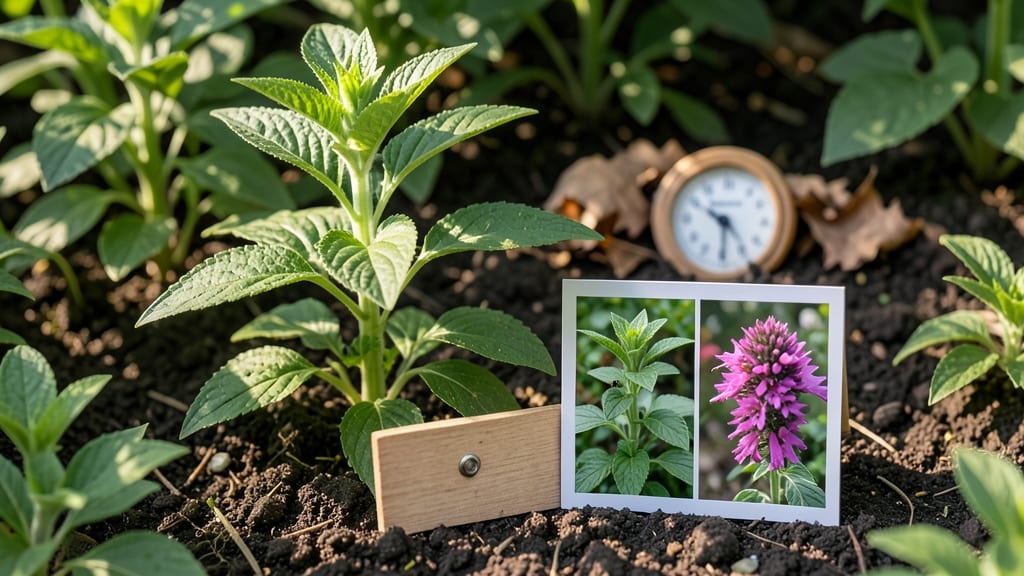
Bee balm does not typically bloom the first year after planting, as it prioritizes developing a robust root system and leafy growth before dedicating energy to flower production.
This first-year focus isn't laziness—it's biology. 🌱 Bee balm (Monarda spp.) stores energy in its roots and foliage during its initial growing season, setting the stage for vibrant blooms in years two and three.
Think of it like a teenager saving up for college: all that growth now means bigger, showier flowers later. I've seen gardeners rush this process by over-fertilizing, which actually backfires by producing weak stems that flop under the weight of early blooms.
That said, there are ways to nudge the timeline slightly. Planting in early spring gives roots a full growing season to establish before winter dormancy, while fall-planted bee balm may bloom sooner in its second year.
The key is patience—those first-year leaves are working overtime to fuel your future floral displays.
💡 In This Article
- Why Bee Balm Takes Time to Bloom
- Tips to Encourage Faster Bee Balm Flowering
Why bee balm takes time to bloom
Bee balm follows a biological growth pattern called "juvenile phase," where the plant prioritizes vegetative growth over reproductive flowering. During its first year, bee balm allocates up to 70-80% of its energy to developing a deep, fibrous root system that can reach 12-18 inches below soil level.
This extensive root network provides stability and access to water and nutrients, which is crucial for supporting the heavy flower spikes later on.
The plant's leaves also play a vital role in this process. Bee balm's broad, aromatic foliage contains essential oils that require significant metabolic resources to produce. These oils not only give the plant its signature fragrance but also act as natural pest deterrents.
In the first year, you'll notice the leaves growing rapidly—sometimes reaching 3-5 feet tall by late summer—while the plant carefully balances this growth with minimal flowering to avoid overburdening its developing structure.
Environmental factors significantly influence this timing. Bee balm thrives in full sun (6-8 hours daily) and well-draining soil with a pH between 5.0-6.5. When these conditions are met, the plant can focus its energy on root and leaf development.
However, stress factors like poor soil quality, inadequate watering (1-1.5 inches per week), or planting too late in the season can delay this process further. For example, bee balm planted in late summer may not establish enough roots before winter dormancy, pushing flowering back to its third year.
Temperature also plays a crucial role. Bee balm requires consistent warmth to grow—it typically won't bloom until daytime temperatures reach 70°F+ consistently for at least 2-3 weeks. In cooler climates (USDA zones 3-5), first-year plants may not experience sufficient warmth to trigger flowering, even if they have established roots.
This is why gardeners in northern regions often see their bee balm bloom more reliably in its second or third year.
What's fascinating is how bee balm stores these resources. The plant converts excess sugars from photosynthesis into starches in its roots during the growing season, creating a natural energy reserve. This stored energy is what fuels the dramatic flowering displays in subsequent years.
Think of it like a savings account—every leaf and root built in the first year is an investment in future blooms that can reach 3-4 feet tall with vibrant red, pink, or purple flowers.
The timing can vary slightly between varieties. For instance, Bee Balm 'Jacob Cline', a popular cultivar, often blooms in its second year, while wild-type Monarda fistulosa may take three years.
The key difference lies in their native growing conditions—cultivars have been selectively bred for faster establishment, but they still follow the same biological principles.