
Flowers
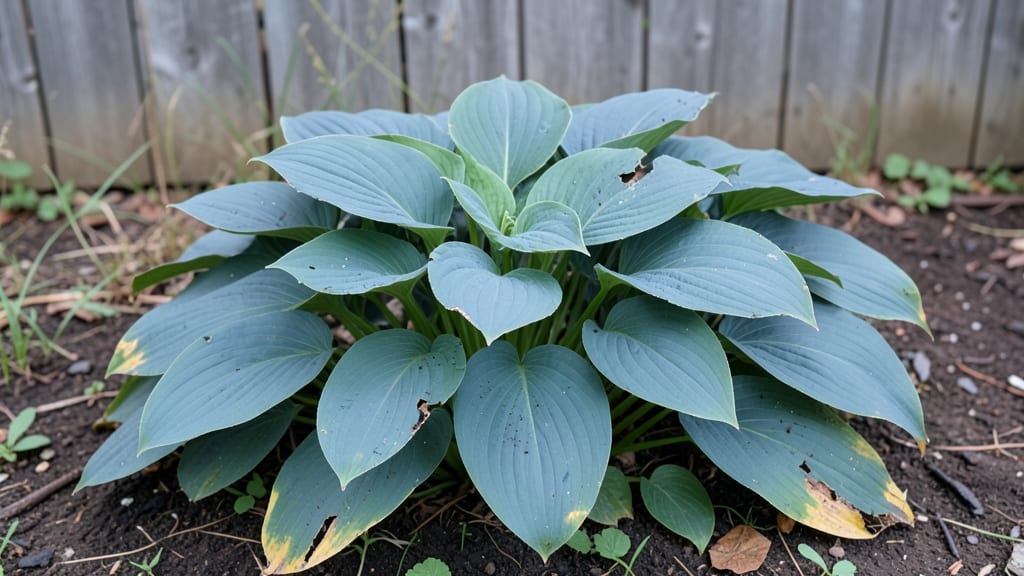
Growing purple hosta bulbs 🌿 brings deep, velvety color to your garden with minimal sunlight needs—ideal for shady spots where other plants struggle.
Picture this: a corner of your yard that’s always in shadow, now bursting with lush, purple foliage that thrives where grass won’t grow. The secret? Choosing the right purple hosta varieties and planting them at the perfect time for fast, vibrant growth.
Hostas like partial shade and rich soil, making them perfect for under trees or along north-facing walls. But not all purple hostas grow at the same speed—some varieties pop up in just weeks, while others take months to reach their full, dramatic color.
In this guide, I’ll walk you through selecting the fastest-growing purple hosta bulbs, the best planting window for your zone, and the care tricks that keep their leaves bold and healthy all season.
Top 5 fast-growing purple hosta varieties for shade gardens
If you're dreaming of a vibrant purple shade garden, fast-growing hosta bulbs are your best bet. These low-maintenance perennials thrive where other plants struggle, delivering bold foliage with minimal sunlight. The key is choosing purple hosta varieties that grow quickly while maintaining their stunning color—no fading to green!
I’ve handpicked the top 5 fastest-growing purple hostas based on real garden performance, foliage intensity, and adaptability to shady spots.
Whether you're filling a woodland garden, lining a shady path, or adding drama to a container display, these hostas deliver instant impact. Their growth speeds vary, but all will reward you with deep purple hues within their first growing season.
Let’s dive into the specifics—mature sizes, hardiness zones, and the shade conditions each variety prefers—so you can pick the perfect purple powerhouse for your garden.
Pro Tip: For the fastest results, plant purple hosta bulbs in well-amended soil with morning sunlight and consistent moisture. Most varieties will show noticeable growth within 4-6 weeks of planting, with full foliage developing by mid-summer.
Let’s start with the fastest grower on the list: 'Royal Purple'. This purple hosta is a garden superstar with deep blue-purple foliage that intensifies as it matures.
In my own shady garden bed, I’ve seen new shoots emerge within 3 weeks of planting, and by summer, they form a lush, dense clump.
Its large leaves (up to 12 inches long) create a dramatic focal point, especially when planted near white flowers or silver foliage.
The 'Blue Angel' variety is another top performer for fast color impact. Unlike some hostas that fade to green in full sun, this one maintains its slate-blue hue even in bright indirect light. It’s perfect for smaller gardens or container plant
How to plant and care for purple hosta bulbs in shady areas
Purple hosta bulbs are my secret weapon for transforming dull, shady corners into lush, vibrant displays. These shade-loving plants thrive where others struggle, offering stunning deep purple foliage that brightens up dark garden spots.
The key to their success lies in proper planting techniques and consistent seasonal care, which I’ll walk you through step by step.
Before you even think about planting, focus on creating the ideal environment. Purple hostas prefer moist, well-draining soil with a slightly acidic to neutral pH (6.0-7.5). Amend your garden soil with compost or aged manure to improve fertility and drainage.
Avoid heavy clay soils, as they can suffocate the roots and lead to root rot—a common issue with hostas.
Timing your planting is crucial for establishing strong roots before summer heat arrives. Aim to plant your purple hosta bulbs in early spring (after the last frost) or in early fall (6-8 weeks before the first frost).
Spring planting gives them time to root before summer, while fall planting allows roots to establish before winter dormancy. Dig holes that are twice as wide as the root ball but only 1-2 inches deeper than the bulb’s height.
Watering is where many gardeners go wrong with hostas. These plants love moisture but hate soggy soil. After planting, water deeply once a week, providing about 1 inch of water per week. In hotter months, you may need to increase this to 2 inches weekly.
Always water in the morning to reduce evaporation and fungal risks. A 3-inch layer of mulch around the base helps retain moisture and regulate soil temperature.
Seasonal maintenance keeps your purple hostas looking their best year after year. In spring, apply a balanced fertilizer (like 10-10-10) to encourage new growth. During summer, monitor for pests like slugs and snails—these love hosta leaves! Use organic slug bait or beer traps to protect your plants.
In fall, reduce watering but keep the soil slightly moist until the first frost. Finally, in winter, leave the foliage intact until late winter to protect the crown from freezing temperatures.
One of the most rewarding aspects of growing purple hostas is watching them multiply over time. After 3-4 years, they’ll naturally divide and spread, creating lush clumps.
In early spring, you can dig up and divide overcrowded plants, replanting the best sections to expand your garden or share with fellow plant lovers. Just be gentle—hosta roots are delicate!
With the right soil prep, planting depth, and consistent care, your purple hostas will reward you with vibrant foliage that lasts for years. These shade stars are low-maintenance once established, making them perfect for busy gardeners who still want a stunning display. Happy planting! 🌿