
Blooming
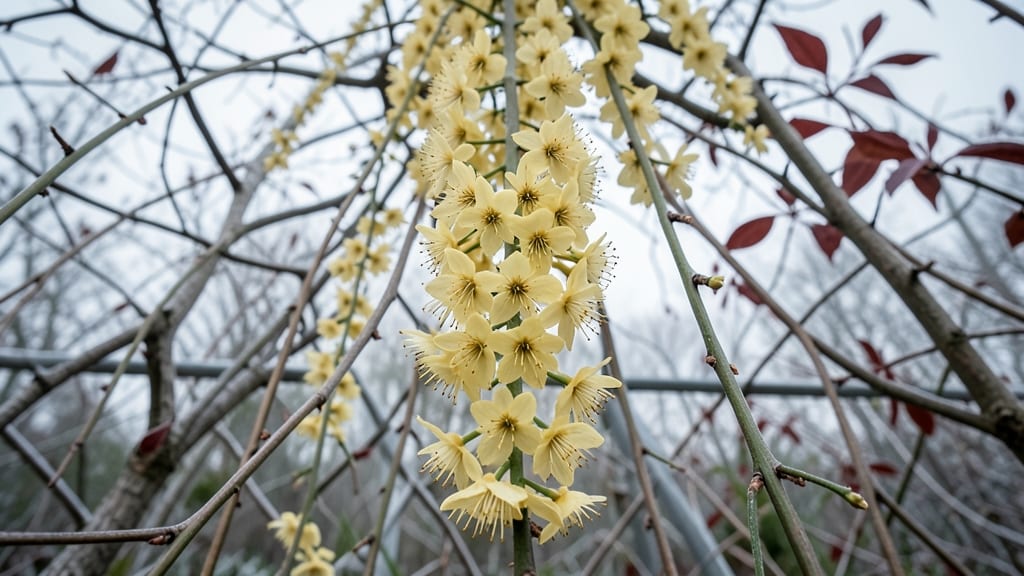
Fall and winter gardens don’t have to be colorless—these cold-hardy plants defy seasonal expectations by blooming when most plants rest. Discover 10 stunning options that thrive in cooler months, adding texture, fragrance, and vibrancy to your outdoor space.
Winter Jasmine with Golden Yellow Flowers
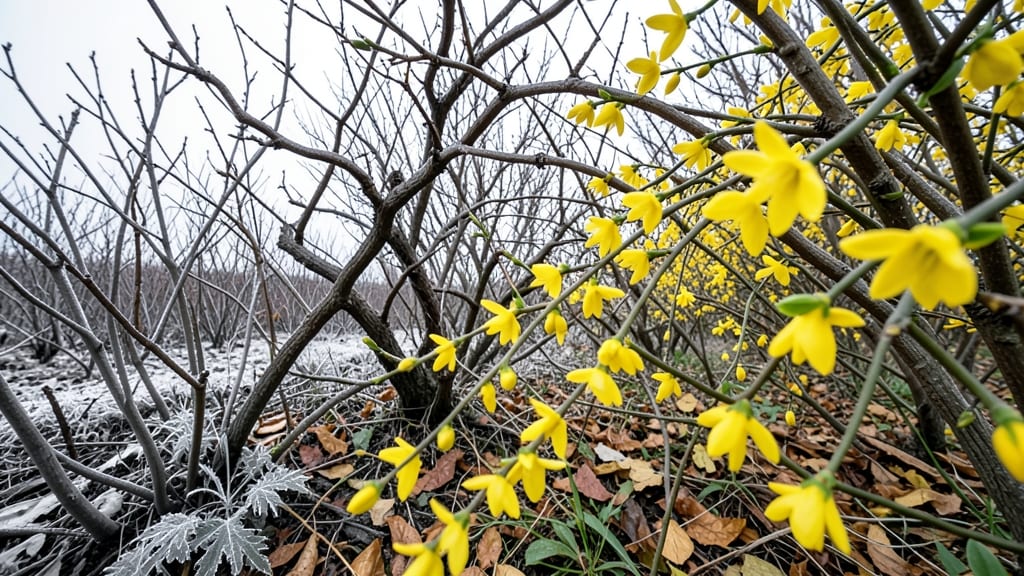
When your garden looks like a winter graveyard of bare branches, winter jasmine arrives like a golden surprise—bursting into bloom as early as February with its cheerful yellow flowers. This deciduous climber is one of the first to wake up from dormancy, offering a much-needed splash of color when little else is flowering.
Thriving in full sun (at least 6 hours daily), winter jasmine is perfect for training along trellises, arbors, or walls, where its arching branches can create a stunning vertical display. Unlike spring jasmine, it blooms on last year’s wood, so prune immediately after flowering to encourage next year’s blossoms. The flowers also attract early pollinators, giving bees and butterflies a vital food source when forage is scarce.
Ideal for gardeners in USDA zones 6-9, winter jasmine is low-maintenance and drought-tolerant once established, making it a standout for sunny borders or urban courtyards. Plant it where its bright blooms will catch morning light for maximum impact. 🌻
Hellebore or Lenten Rose
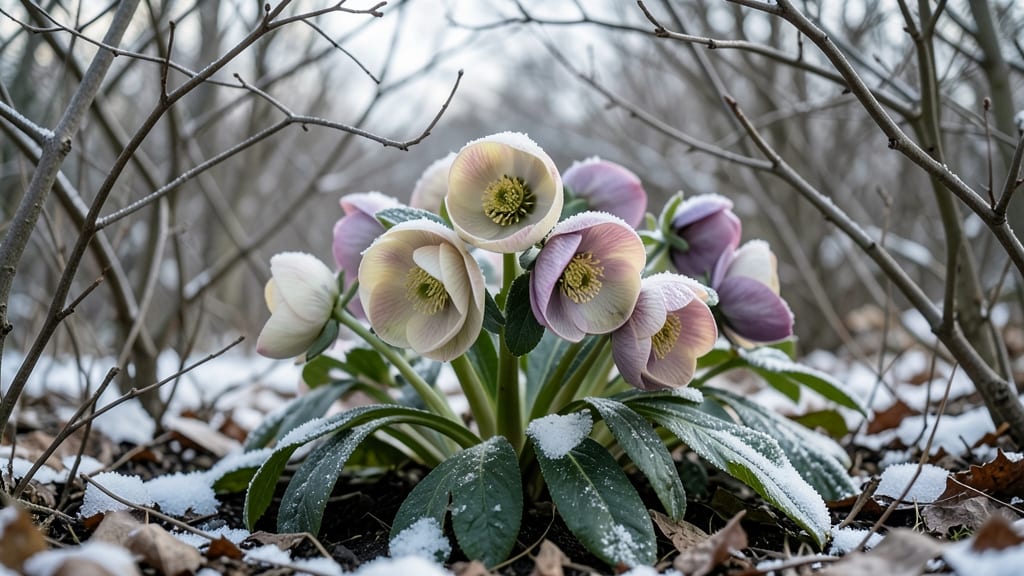
When your garden looks like a blank canvas in late winter, hellebores (or Lenten roses) step in as the unsung heroes of shade. These hardy perennials bloom from February through April, offering nodding white, pink, or deep purple flowers that defy the chill—often right through light snow.
Unlike sun-loving winter bloomers, hellebores thrive in deep shade where few other plants survive, making them perfect for under trees, north-facing beds, or woodland gardens. Their evergreen foliage provides year-round interest, and they’re nearly pest-free. Simply plant in well-draining soil and water occasionally—they’ll reward you with months of blooms with minimal effort.
This is the ideal plant for gardeners with shady spots who want early color without the fuss. Even urban gardeners with limited sun can enjoy their delicate charm. 🌿
Christmas Camellia with Rosy Blooms
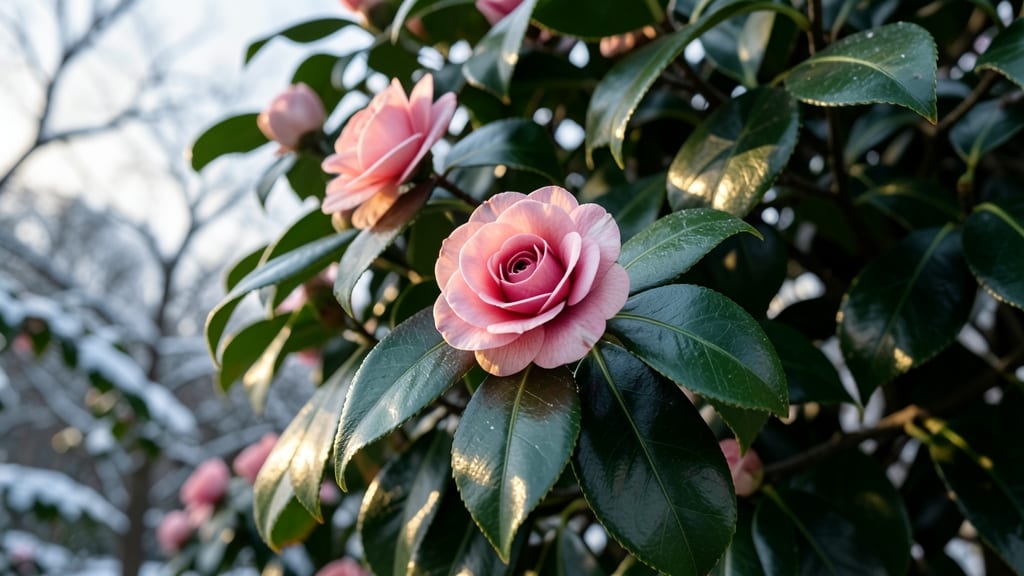
When you crave color and fragrance during the bleakest winter months, the Christmas camellia delivers a luxurious surprise. Unlike most plants that fade with frost, this evergreen shrub bursts into bloom from November through March, offering rosy, waxy flowers that perfume the air with a sweet, spicy scent.
Thriving in partial shade (3-6 hours of sunlight daily), Christmas camellias are perfect for understory plantings, containers, or as foundation shrubs. Their glossy, dark green leaves stay vibrant year-round, and they tolerate temperatures down to 10°F. For best results, water deeply when the top inch of soil dries out and prune spent blooms to encourage new growth.
This elegant plant is ideal for gardeners who want low-maintenance winter beauty without sacrificing drama. Whether you're dressing up a dark corner or adding fragrance to a patio, Christmas camellias bring a touch of holiday magic that lasts well into spring. 🌷
Snowdrops in Pure White Clusters
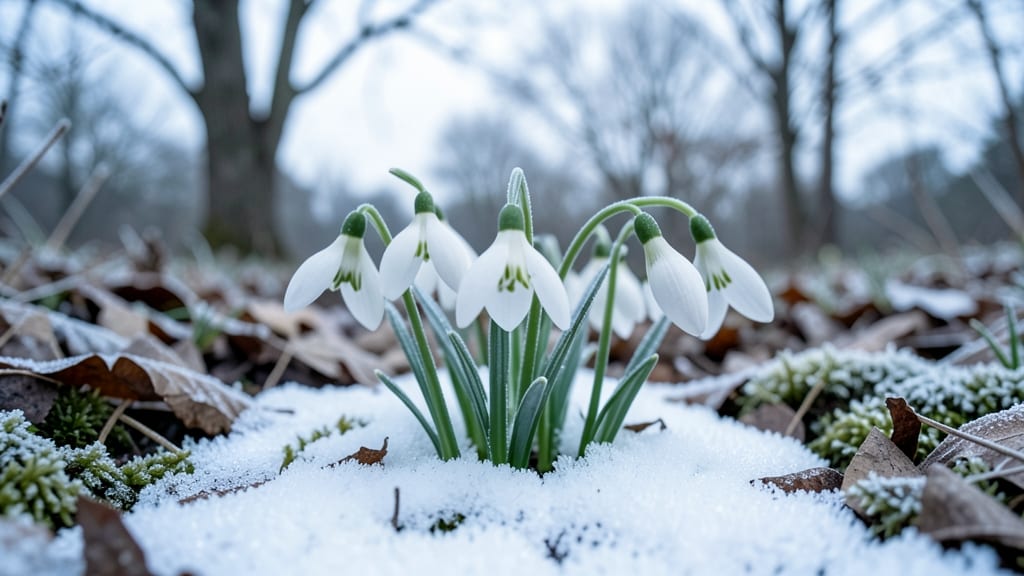
When winter’s grip tightens and most gardens lie dormant, snowdrops defy the cold with their pure white clusters, often blooming even while snow still blankets the ground. These early harbingers of spring thrive in full shade, making them ideal for understory planting where little else survives.
Plant bulbs in fall for blooms as early as January, and let them naturalize under trees or shrubs for a low-maintenance woodland effect. Their delicate, nodding flowers symbolize resilience, and they’re deer-resistant—perfect for gardens where wildlife browsing is a concern. A single clump can multiply over time, creating lush carpets of hope. 🌱
Pansies with Bold Winter Colors
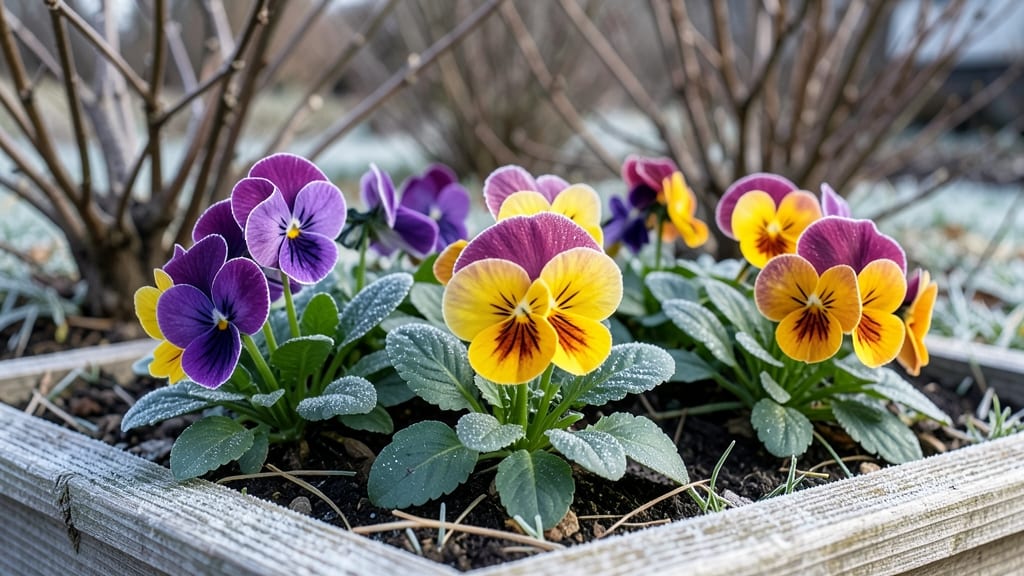
When most gardens fade into dormancy, pansies burst into vibrant life with their cheerful purple, yellow, and orange blooms—perfect for adding color to late fall and winter containers. These cold-hardy annuals thrive in temperatures as low as 20°F (-7°C), making them ideal for extending your garden’s season.
Beyond their striking appearance, pansies are edible flowers, adding a mild, slightly sweet flavor to salads or garnishes. Plant them in well-draining soil with 4-6 hours of sun daily, and deadhead spent blooms to encourage continuous flowering. They’re also great for urban gardeners with limited space, as they grow well in pots and hanging baskets.
Perfect for beginners or anyone wanting low-maintenance winter color, pansies bring joy with minimal effort—just add water and watch them thrive. 🌻
Winter Aconite with Golden Stars
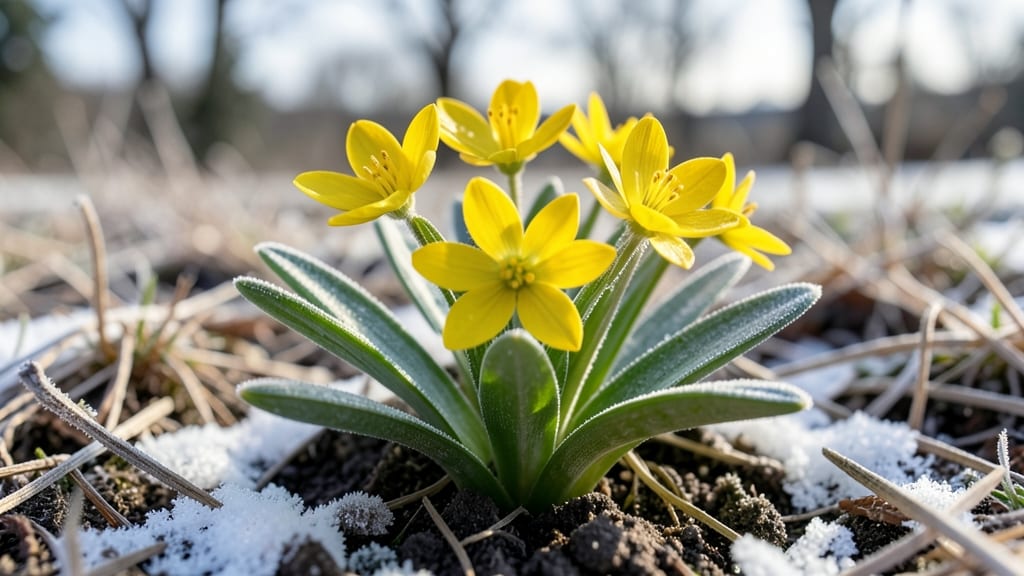
When your garden looks like a blank canvas after frost, winter aconite (Eranthis hyemalis) steps in with its bright yellow star-shaped blooms—often called "little sun cups" for their cheerful appearance. This hardy perennial emerges in late winter, often before snowdrops, and thrives in conditions where other plants would struggle.
Unlike fussy perennials, winter aconite tolerates rocky, poor, or even slightly alkaline soil, making it perfect for alpine gardens, slopes, or containers. Plant bulbs in fall (4-6 inches deep) where they’ll get partial to full sun, and enjoy their 4-6 week bloom period. They’re also deer-resistant, a bonus for rural gardens!
Alpine gardeners and urban balcony growers will love this low-maintenance star—it’s one of the few plants that brightens winter landscapes without extra care. 🌟
Mahonia with Spiky Green and Yellow Flowers
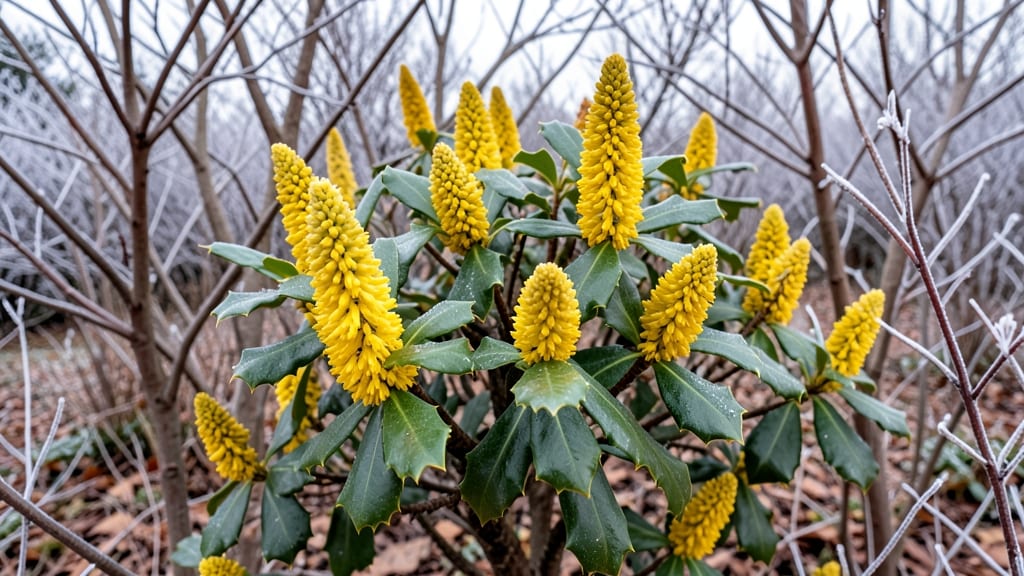
When your garden looks like a winter monochrome, mahonia bursts onto the scene with its bright yellow flower clusters that appear in late winter—often before spring even feels close. This evergreen shrub is like nature’s pop of sunshine, offering holly-like leaves that stay vibrant year-round and berries that feed birds long after the flowers fade.
Unlike many winter bloomers, mahonia thrives in partial shade, making it perfect for understory plantings, woodland edges, or even as a foundation shrub against a north-facing wall. Its low-maintenance nature means you won’t need to fuss over it—just plant it in well-draining soil and let it shine. The berries that follow the flowers add another layer of interest, turning it into a four-season performer.
This is the ideal plant for gardeners who want color without sunlight or need a shrub that doubles as a wildlife magnet. Even urban gardeners with limited space can tuck one into a corner—it’s compact enough for containers but bold enough to stand out. 🌻
Crocus in Purple and White
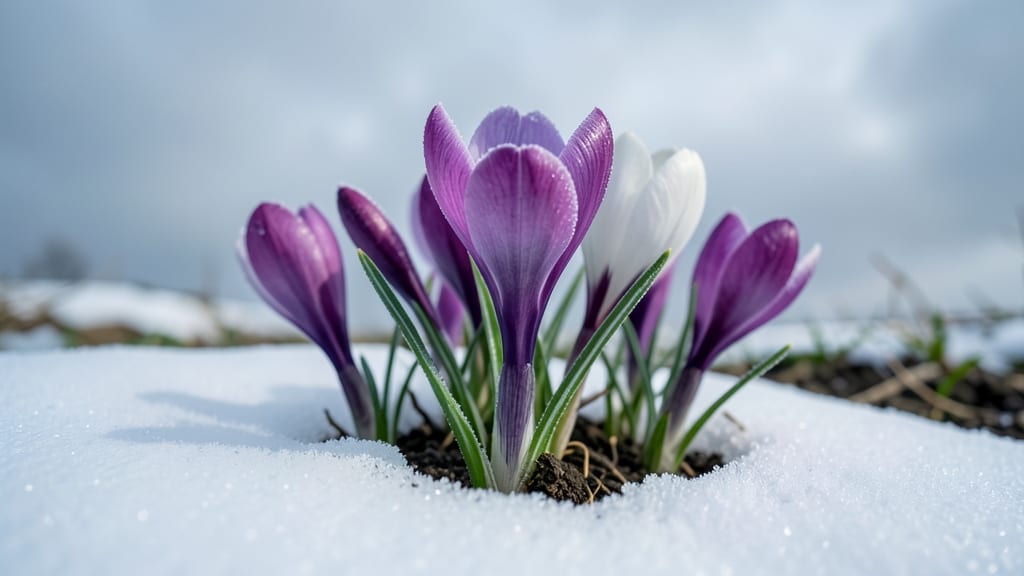
While other plants sleep under snow, crocus bulbs are already pushing through the cold, offering vibrant purple and white blooms that brighten even the bleakest winter days. These hardy perennials are nature’s way of reminding us that spring is coming—sometimes even before the snow fully melts!
Plant crocus bulbs in fall (September-October) for winter blooms, and they’ll naturalize beautifully in lawns, borders, or rocky gardens. They thrive in full sun to partial shade and require minimal care—just well-draining soil and occasional watering once established. Their early flowers also provide crucial nectar for early pollinators like bees, making them a garden hero.
Perfect for low-maintenance gardeners or those with small spaces, crocus adds color without competition from taller plants. Try varieties like ‘Purple Striped’ or ‘Whitewell Purple’ for a classic winter display. 🌷
Daphnes with Fragrant Pink Blooms
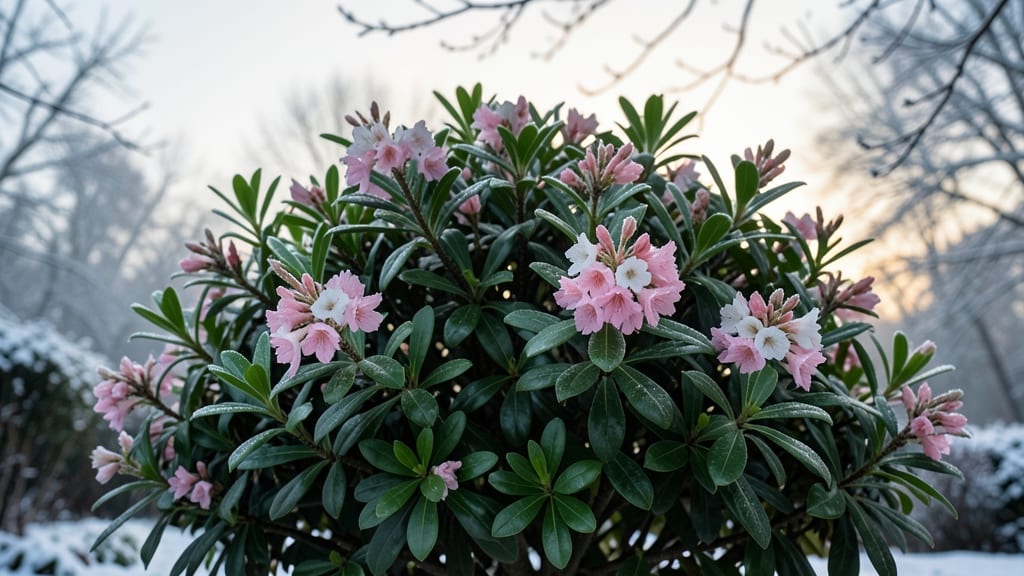
When your garden craves a scented escape from winter’s chill, daphnes deliver a fragrant punch with their clusters of pink or white blooms that appear in late winter—often when little else is flowering. These compact, evergreen shrubs thrive in partial shade, making them perfect for small gardens, hedges, or woodland edges where sunlight is limited.
Plant daphnes in well-draining, slightly acidic soil and water moderately to avoid soggy roots, which can cause rot. Their intense fragrance (often described as spicy or floral) makes them ideal near patios or entryways, where you can enjoy their scent up close. Prune lightly after flowering to maintain shape, but avoid heavy cuts—they bloom on old wood. With proper care, they’ll reward you with year-round structure and seasonal perfume. 🌷
Winter Honeysuckle with Star-Shaped Flowers

If you’re craving a vertical splash of color when most gardens are still asleep, winter honeysuckle (Lonicera fragrantissima) delivers with its delicate star-shaped yellow flowers that bloom from late winter into early spring. Unlike its summer-blooming cousins, this deciduous vine wakes up early to feed hungry pollinators with its nectar-rich blooms—making it a lifeline for bees emerging from hibernation.
This fast-growing climber thrives in full sun and is perfect for training along trellises, fences, or arbors, where its arching stems create a lacy canopy of flowers. Plant it in well-draining soil and prune lightly after blooming to encourage bushier growth. While it’s not fragrant like some honeysuckles, its cheerful blooms more than make up for it, offering a low-maintenance way to add height and texture to winter landscapes.
Urban gardeners with limited space or small yards will love how winter honeysuckle transforms bare walls into living art—just give it a sturdy support and watch it climb. 🌟