
Flowers
Fall gardens don’t have to fade into brown—these 10 flower bulbs bring vibrant color and fragrance when most plants have retired. Perfect for extending your seasonal blooms, they thrive in cooler weather and attract pollinators late into autumn.
Colchicum Autumnale (Meadow Saffron)
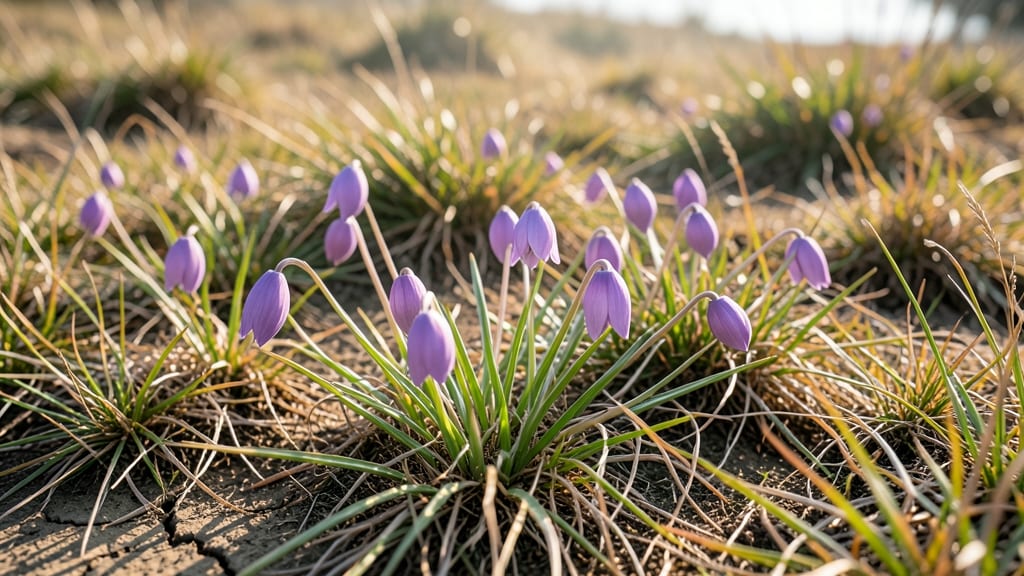
Forget the fuss of formal garden beds—Colchicum autumnale (Meadow Saffron) thrives where others won’t, popping up naturally in grassy meadows and lawn edges with almost no effort. These violet-pink blooms emerge seemingly overnight in late summer or early fall, when most gardens have gone quiet.
Plant the bulbs in well-draining soil with partial to full sun (they tolerate shade better than many fall bulbs), and they’ll spread over time, creating a carpet of color. Unlike spring bulbs, they store energy underground during summer, then burst into bloom when temperatures drop—no extra watering or fertilizing needed. Perfect for gardeners who want beauty without the upkeep.
Ideal for urban lawns, wildflower meadows, or cottage gardens, this bulb is a secret weapon for late-season color. Once established, it multiplies year after year, giving you decades of effortless blooms. 🌷
Sternbergia Lutea (Autumn Crocus)
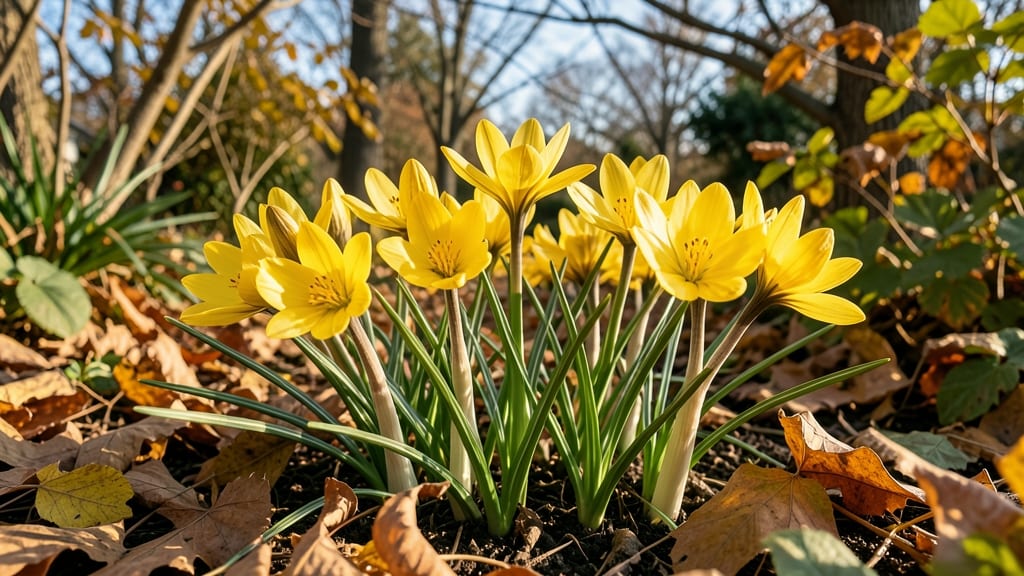
If you crave a burst of sunshine when most gardens are winding down, Sternbergia lutea delivers exactly that. This autumn crocus blooms earlier than most fall bulbs—often in September—with cheerful yellow flowers that stand out against golden foliage.
Plant the bulbs in full sun positions where they’ll get at least 6 hours of direct light daily, like sunny borders or rock gardens. They thrive in well-draining soil and need minimal care once established, making them perfect for low-maintenance spaces. The flowers appear before the foliage, creating a stunning contrast that lasts for weeks.
Gardeners in containers or small spaces will love this bulb—it’s compact yet impactful, and its early blooms attract pollinators when food sources are scarce. Perfect for sunny spots where you want instant autumn color! 🌻
Cyclamen Hederifolium (Autumn Cyclamen)
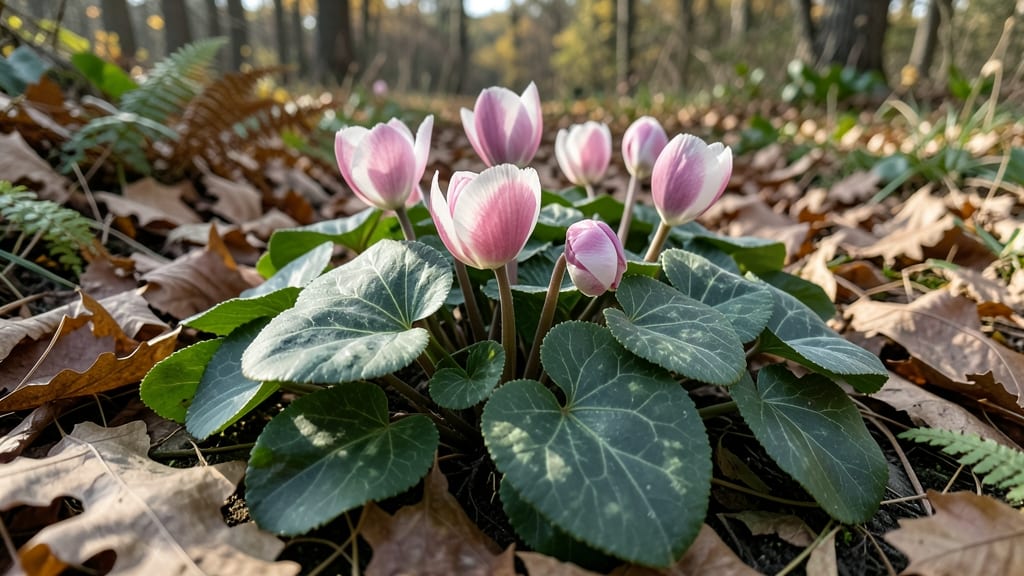
If your garden has shady spots where most bulbs refuse to thrive, Cyclamen hederifolium is your secret weapon. This woodland dweller produces delicate pink or white flowers with heart-shaped leaves that emerge in late summer, blooming through fall when other plants have faded.
Unlike sun-loving bulbs, it thrives in dappled shade to partial sun and prefers well-draining, humus-rich soil. Plant the tubers just below the soil surface in early fall, spacing them 6-8 inches apart. Water lightly during establishment, then reduce once leaves appear—this bulb stores moisture naturally. Its evergreen foliage often persists through winter, adding texture to shaded borders.
Perfect for woodland gardens, under trees, or along north-facing foundations, this cyclamen brings elegant color where few bulbs dare to grow. 🌿
Nerine Bowdenii (Guernsey Lily)
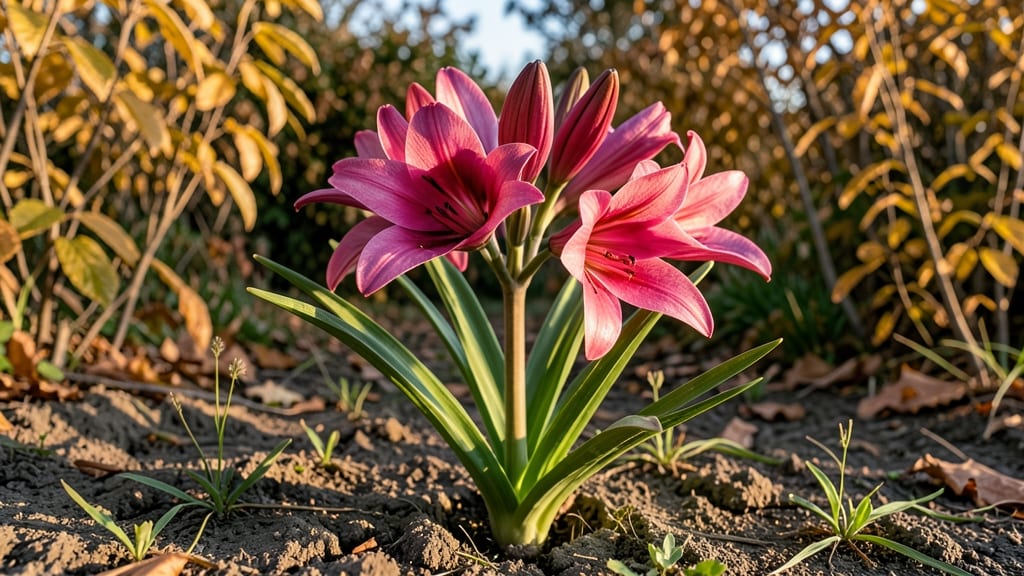
When your garden feels like it’s winding down as temperatures drop, Nerine Bowdenii (Guernsey Lily) arrives like a late-season hero with its bold, trumpet-shaped pink blooms. Unlike most fall bulbs that need constant moisture, this one thrives in drought conditions and even handles heat better than many summer flowers.
Plant the bulbs in well-draining soil with full sun exposure for maximum blooms, and water sparingly once established. The flowers appear in late fall, often lasting into early winter, making it a standout in Mediterranean-style gardens or containers. Its striking color contrasts beautifully with autumn foliage while requiring minimal care.
This bulb is ideal for gardeners in hot, dry climates or those who want a low-maintenance way to extend their season. 💚
Leucojum Aestivum (Summer Snowflake)
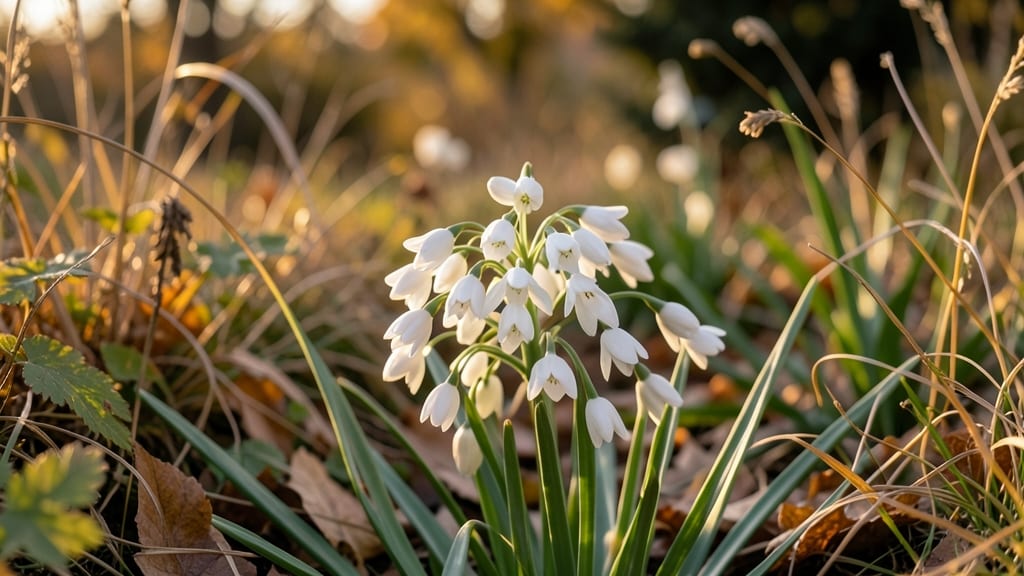
When your garden seems to lose its charm as summer fades, Leucojum aestivum—or Summer Snowflake—steps in with a whisper of elegance. These fragrant white bell-shaped flowers emerge in early fall, offering a delicate contrast to autumn’s richer hues, and they thrive where others falter.
Plant these bulbs in moist, well-drained soil and give them partial shade to full sun. They’re perfect for pond edges, damp woodland gardens, or even rain gardens, where their white blooms will stand out against greenery. Unlike many fall bulbs, Summer Snowflake is non-toxic, making it a safe choice for families and pets.
This bulb is a dream for gardeners who love serene, naturalistic spaces—ideal for those with moist garden spots or woodland areas. 🌿
Iris Histrioides (Autumn Bearded Iris)
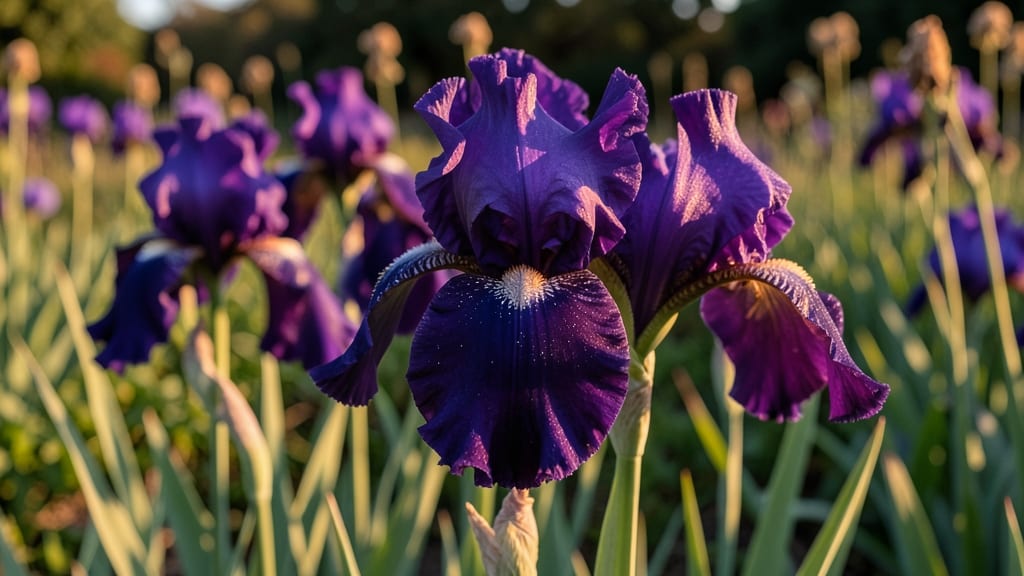
If you crave a bold autumn statement that turns heads in September, Iris histrioides delivers with its deep, velvety purple blooms—often called the "autumn bearded iris." Unlike spring irises, this rare gem thrives in the heat of late summer, emerging just as other perennials fade.
Plant the bulbs in well-draining soil with full sun exposure (at least 6 hours daily) for maximum impact. The striking yellow falls contrasting with purple standards create a dramatic focal point, perfect for cottage gardens or as a collector’s prize. Mulch lightly to retain moisture during its late-September bloom period.
Ideal for gardeners who love unexpected color or want to extend their seasonal interest, this iris is a conversation starter. Just be patient—it may take a year or two for established plants to reach their full, show-stopping potential. 💚
Allium Molys (Lamb’s Succory)
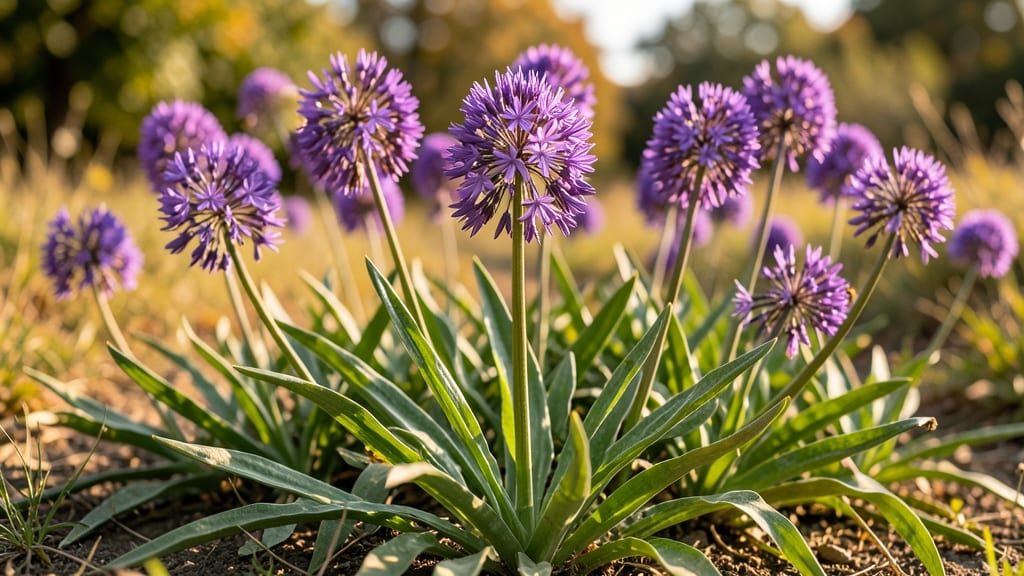
Looking for a dual-purpose bulb that feeds both your garden and your table? Allium molys (Lamb’s Succory) delivers star-shaped purple blooms from late summer through early fall while offering edible greens and flowers that pollinators adore.
This hardy perennial thrives in full sun to partial shade and tolerates a range of soils, making it ideal for cutting gardens or container growing. The delicate, papery petals make stunning arrangements, while the young leaves and flowers add a mild onion flavor to salads—just harvest before blooming for the best taste. Plant bulbs in early spring or fall for reliable year-round interest.
Perfect for urban gardeners, pollinator enthusiasts, and culinary gardeners, Allium molys combines beauty, utility, and low-maintenance charm in one striking package. 🌻
Eremurus Spectabilis (Foxtail Lily)
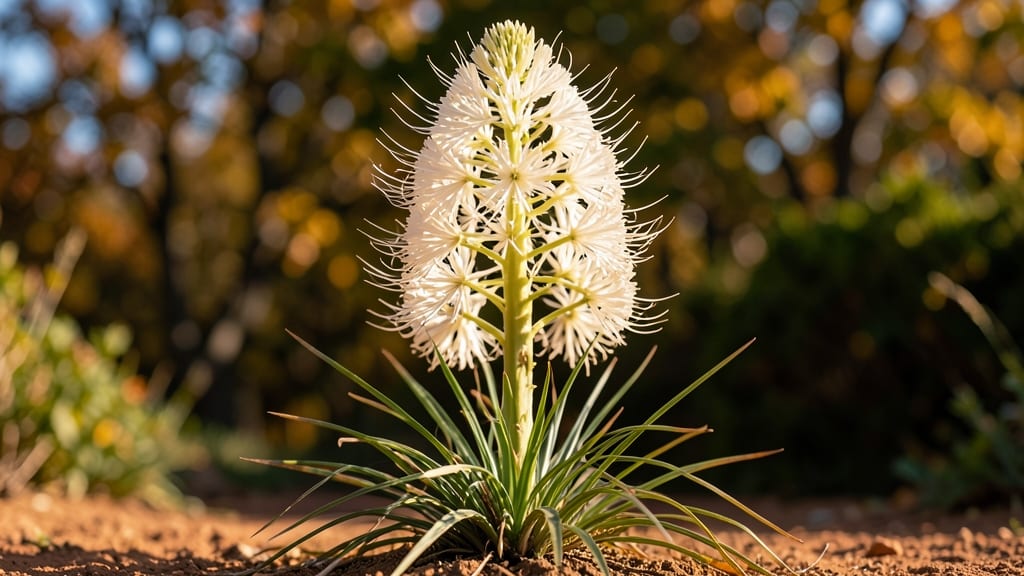
When your garden needs a dramatic vertical statement, Eremurus spectabilis (Foxtail Lily) delivers with its towering, feathery white spikes that rise above borders like nature’s own exclamation point. Unlike most fall bloomers, this bulb thrives in full sun and well-drained soil, making it perfect for dry gardens or sunny borders.
Plant the bulbs in early spring for blooms that appear in late summer to fall, reaching heights of 3-5 feet. These striking plants are drought-tolerant once established, requiring minimal care beyond occasional watering during dry spells. Their airy, plume-like flowers add movement and texture, contrasting beautifully with grasses or other upright plants.
Perfect for gardeners who love bold focal points, Eremurus is especially stunning in cottage gardens or Mediterranean-style landscapes. Just be sure to cut back the foliage after blooming to encourage next year’s spectacular display. 🌻
Crocus Vernus (Spring Crocus, Fall-Blooming Varieties)
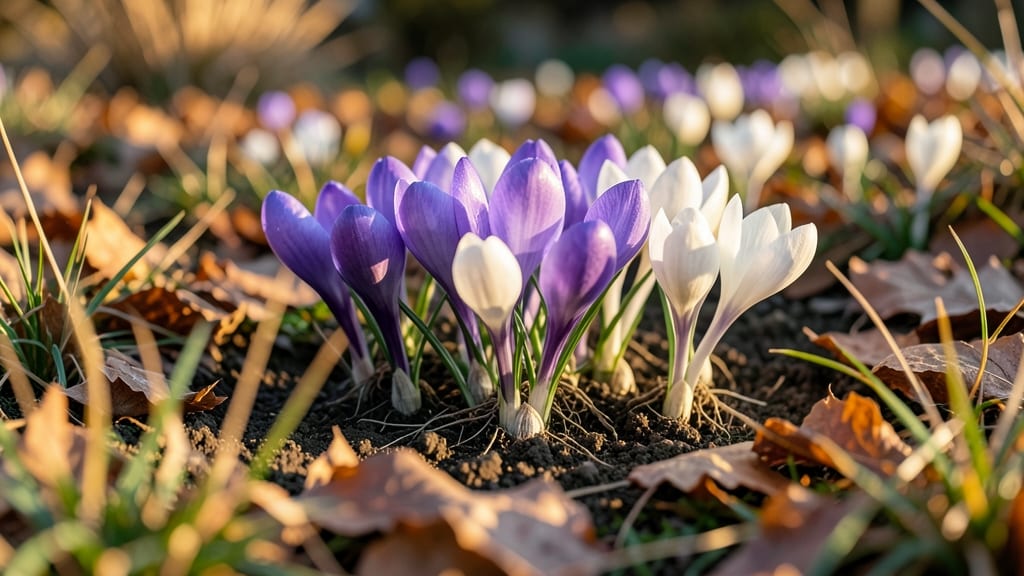
While most crocuses steal the spring spotlight, Crocus vernus offers a hidden gem for autumn lovers—its fall-blooming varieties appear as early as September, bringing cheerful purple or white flowers when other gardens are fading. These hardy bulbs thrive in full sun to partial shade and naturalize beautifully over time, making them ideal for borders, rock gardens, or even containers.
Plant fall-blooming crocuses in early autumn (September-October) for next year’s color, as they need time to establish roots before winter. They’re drought-tolerant once established and deer-resistant, plus their early blooms provide nectar for bees when few other flowers are available. For best results, pair them with spring-blooming crocuses (like Crocus tommasinianus) to create year-round interest.
Perfect for beginners or busy gardeners, these crocuses require minimal care while delivering maximum impact—just plant, water occasionally, and enjoy the show. 🌷
Fritillaria Imperialis (Crown Imperial)

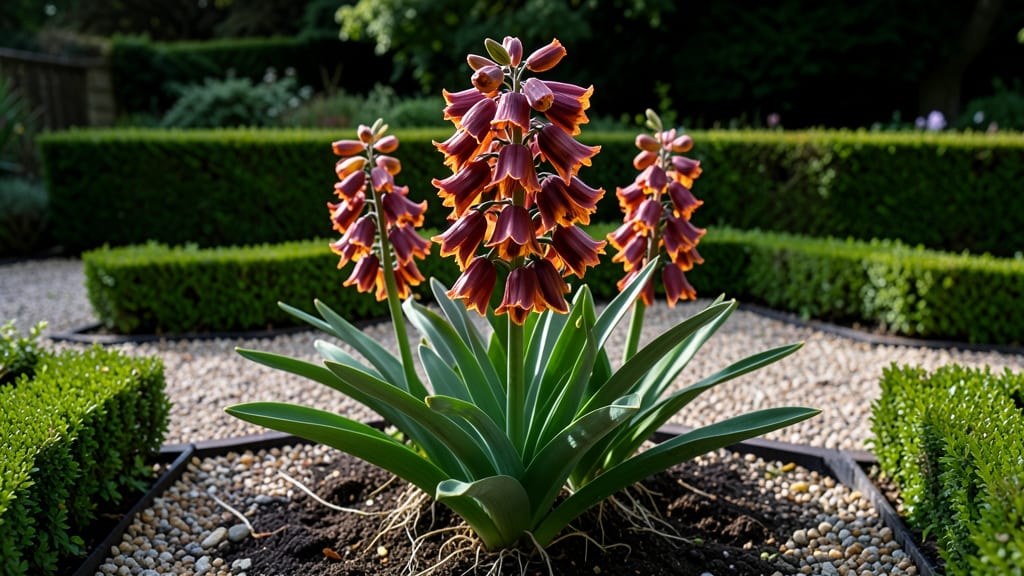
If you crave a dramatic focal point that smells as stunning as it looks, Fritillaria imperialis (Crown Imperial) delivers with its exotic bell-shaped blooms in late fall. This bulb thrives in formal gardens, where its checkered orange and maroon flowers create a regal display that lasts for weeks.
Plant the bulbs in well-drained soil with full sun to partial shade, mimicking their native Mediterranean conditions. The fragrant blooms appear in October-November, making them perfect for holiday centerpieces or cutting gardens. Just be patient—these bulbs take 2-3 years to mature but reward you with year-round interest from their striking foliage.
Ideal for gardeners who love statement-making plants, Crown Imperial adds a touch of opulence to any landscape. Its late-season bloom ensures your garden stays vibrant when others have faded. ✨