
Blooming
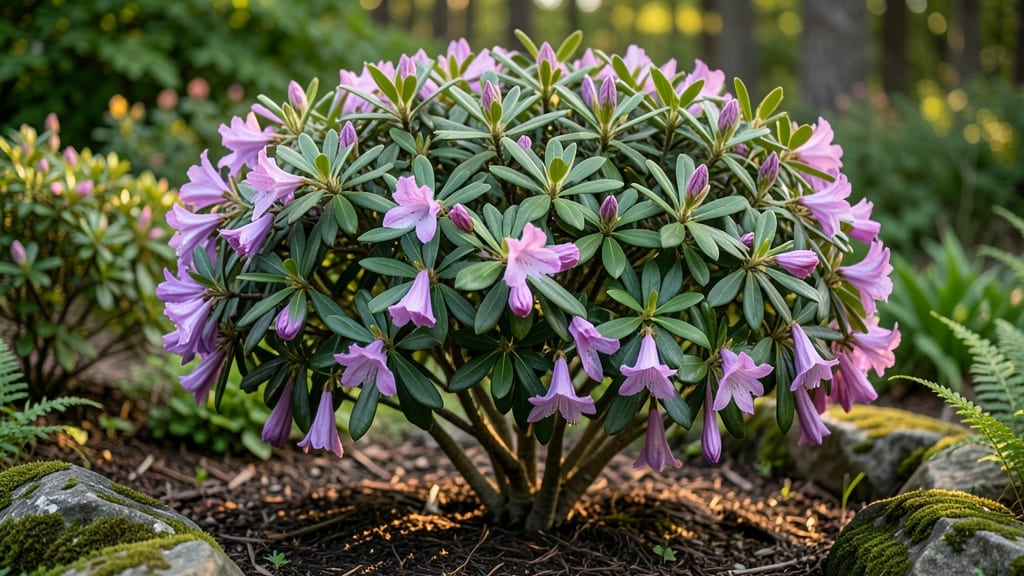
The PJM rhododendron blooms in late spring, typically between mid-April and early May in its ideal USDA Zones 5-8, but timing shifts dramatically depending on where you live. 🌸
If you’re eagerly waiting for the stunning purple blooms of your PJM rhododendron to light up your garden, timing is everything—especially since bloom windows vary dramatically by USDA hardiness zone. Miss the peak, and you’ll be left admiring buds instead of vibrant flowers.
This isn’t just about patience; it’s about understanding how your local climate, sunlight, and even soil pH can push blooms earlier or delay them by weeks. For example, cooler Zones 3-4 often see flowers 2-3 weeks later than their warmer Zone 8 counterparts.
Below, I’ll break down the exact months to watch by zone, the 5 key factors that control bloom time, and simple tweaks to coax your PJM into flowering earlier or more abundantly—so you’re never left wondering where those showstopping blooms went.
PJM rhododendron bloom time by USDA hardiness Zone: exact months to watch
The PJM rhododendron is famous for its lush purple blooms that transform gardens into springtime masterpieces. However, the exact bloom window shifts dramatically depending on your USDA hardiness zone.
In warmer zones like Zone 8, you might see flowers as early as late February, while gardeners in Zone 3 should mark their calendars for mid-to-late May. Understanding these variations helps you plan for the best photography opportunities and pruning schedules.
Climate plays a critical role in bloom timing. Cooler zones require more chill hours (below 45°F) to trigger flowering, often delaying blooms by 2-3 weeks compared to southern regions. Meanwhile, mild winters in Zones 7-8 can push blooms earlier, sometimes overlapping with late winter interest like hellebores.
Knowing your zone ensures you don’t miss the peak floral display, which typically lasts 3-4 weeks per plant.
Comparison Table: PJM Rhododendron Bloom Times by Zone
| USDA Zone | Early Bloom Window | Peak Bloom Period | Late Bloom Window | Notes |
|---|---|---|---|---|
| Zone 3 | Mid-May | Late May - Early June | Mid-June | Needs longer chill; may rebloom lightly in fall. |
| Zone 4 | Early May | Mid-May - Late May | Early June | Blooms 2 weeks earlier than Zone 3. |
| Zone 5 | Late April | Early May - Mid-May | Late May | Classic spring bloomer; aligns with tulips. |
| Zone 6 | Mid-April | Late April - Early May | Mid-May | Overlaps with daffodils and azaleas. |
| Zone 7 | Early April | Mid-April - Late April | Early May | May rebloom in fall if conditions are ideal. |
| Zone 8 | Late February | Early March - Mid-March | Late March | Earliest bloomer; may overlap with winter interest plants. |
In Zone 3, where winters are harsh, your PJM rhododendron will likely wait until mid-May to burst into color. This delay gives the plant time to recharge after dormancy and ensures it survives freezing temperatures that can damage tender buds.
If you’re in Zone 4 or 5, you’ll enjoy blooms starting in late April, perfect for spring garden parties or wedding photo shoots.
Gardeners in Zones 6-8 get the advantage of earlier blooms, with some varieties even flowering in late February. However, this early start can be risky if a late frost hits. To protect your PJM rhododendron, cover
5 Key factors that delay or advance PJM rhododendron blooming (and how to optimize them)
Your PJM rhododendron may be waiting patiently in the wings, but its bloom schedule isn’t set in stone. Whether you’re hoping for earlier spring blooms or just want to maximize flower abundance, understanding these five critical factors will help you take control.
From sunlight exposure to soil pH, small adjustments can shift bloom timing by weeks—or even guarantee a showstopping display.
First, let’s tackle the biggest misconception: PJM rhododendrons are famously late bloomers compared to other varieties, but that doesn’t mean you can’t coax them into performing earlier. The secret lies in optimizing conditions that directly influence their internal flowering triggers.
By focusing on these five key factors, you’ll unlock the potential for earlier, more abundant blooms—or at least avoid common pitfalls that leave you staring at buds instead of flowers.
🌱 5 Factors That Control PJM Rhododendron Bloom Time
- 1. Sunlight Exposure: 3-6 hours of dappled sunlight triggers blooming. Too much direct sun delays flowers, while filtered light speeds it up.
- 2. Soil pH (4.5-6.0): Acidic soil is non-negotiable. A pH above 6.0 starves roots, pushing blooms 2-4 weeks later.
- 3. Winter Chill Hours: PJMs need 800-1,000 hours below 45°F to bloom. In warmer zones, artificial chilling can help.
- 4. Pruning Timing: Prune immediately after blooming to encourage next year’s buds. Pruning in fall or winter delays blooms.
- 5. Plant Age: 3-5 year old plants bloom most reliably. Younger shrubs may skip flowers entirely, while over-mature plants slow down.
Let’s start with sunlight exposure, the most overlooked factor.
While PJM rhododendrons thrive in partial shade, they need just the right amount of light to trigger blooming. Too little light (under 3 hours) weakens the plant, while too much direct sun (over 6 hours) stresses it, both of which delay flowers.
The sweet spot? Morning sun with afternoon shade, like under tall deciduous trees. If your shrub isn’t blooming, check its light conditions—you might be over-shading it without realizing it.
Next, soil pH is where most gardeners trip up. PJM rhododendrons are acid-loving plants, and a pH outside the 4.5-6.0 range can push blooms weeks later—or even prevent them entirely. Test your soil annually; if it’s alkaline (above 7.0), amend it with sulfur or peat moss.
A simple fix like adding pine needles or oak leaves as mulch can keep pH in check naturally. Pro tip: Avoid lime or wood ash, which raise pH and sabotage blooms.
Don’t underestimate the power of winter chill hours. PJM rhododendrons require 800-1,000 hours below 45°F to set flower buds for the following spring. In warmer USDA Zones 7-8, where winters are mild, this can be a major hurdle.
If your shrub skips blooms, it might not be getting enough chill. Try wrapping the plant in burlap or placing it in a cooler microclimate (like near a north-facing wall) to boost chill accumulation.
When it comes to pruning timing, patience is key. Prune your PJM rhododendron right after blooming to remove spent flowers and shape the shrub.
This encourages the plant to focus energy on next year’s buds. Never prune in fall or winter, as this removes potential flower buds before they’ve formed. If you’ve been pruning at the wrong time, your shrub might be delayed by a full season.
Think of it like a bloom reset button—press it correctly, and you’ll see results the following spring.
Finally, plant age plays a surprising role. Young PJM rhododendrons (under 3 years old) often skip blooming entirely as they focus on root growth. On the flip side, over-mature shrubs (15+ years) may produce fewer flowers due to declining vigor.
The sweet spot is 3-5 years old, when plants are established but still energetic. If your shrub is past its prime, consider rejuvenation pruning or propagating new cuttings to restart its bloom cycle.