
Flowers
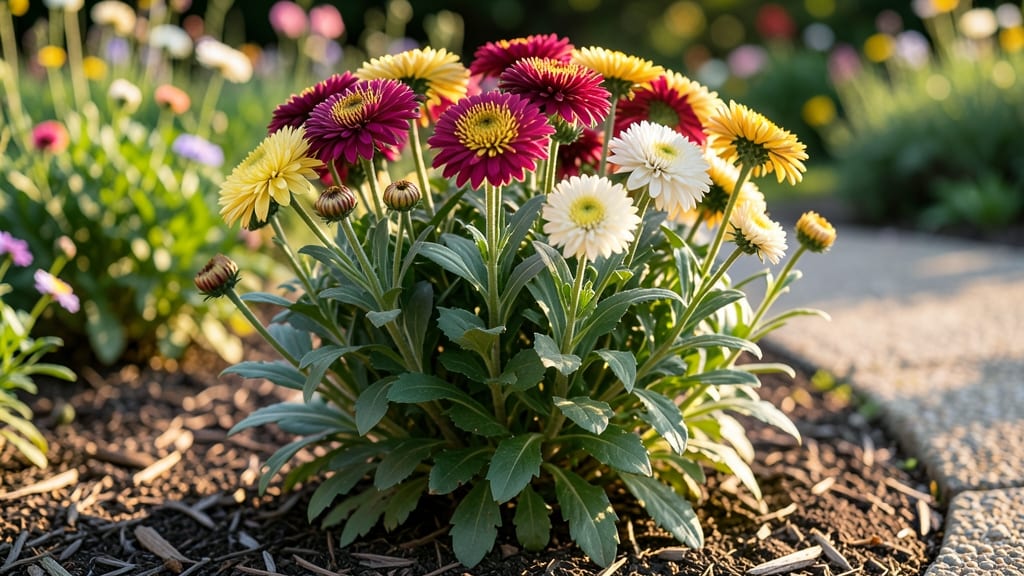
Mums flowers bloom in late summer to fall, transforming your garden into a riot of color 🌼—but the exact timing depends entirely on your zone and variety.
Picture this: you’ve waited all season for your mums to burst into bloom, only to find they’re still stubbornly closed when your neighbors’ gardens are already in full fall glory. That’s because bloom time isn’t one-size-fits-all—it shifts with temperature, sunlight, and even whether you’re in a coastal or inland climate.
In Zone 6a (like much of the Midwest), expect peak blooms from September through October, while warmer zones like 9-11 can enjoy them well into November—or even spring, if you choose the right varieties.
The key? Planting at the right time and giving them the care they need to thrive.
Below, I’ll break down the zone-by-zone bloom calendar, share simple tricks to extend their season, and help you pick the best mums for your region—so you never miss the show again.
When do mums bloom by USDA planting zone?
Mums (chrysanthemums) are fall's superstars, but their bloom timing shifts dramatically across USDA zones 3-11. In cooler northern zones, they burst into color as early as late August, while warmer southern climates may see blooms stretching into December.
Understanding these patterns helps you time plantings for maximum impact. Coastal areas often bloom 2-3 weeks earlier than inland regions due to milder temperatures.
Your local frost dates are the real clock for mums. Most varieties need 8-12 weeks of cool weather (below 75°F) to trigger blooming. In Zone 3, this means planting by mid-July for fall color, while Zone 10 gardeners can plant until September and still enjoy winter blooms.
The key is matching variety types to your climate's natural rhythm.
Here's your zone-by-zone bloom calendar, including early, mid, and late-season varieties that thrive in each region:
In Zones 3-4, mums need full sun exposure (6+ hours daily) and cool nights below 60°F to trigger blooming. Plant dwarf varieties like 'Bonanza' for earlier color, as they mature faster.
Coastal gardeners in these zones should plant 2 weeks earlier than inland counterparts, since milder ocean breezes delay frost.
For Zones 5-8, the sweet spot is planting mid-J
How to extend mum bloom time with simple gardening hacks
Want your mums to bloom longer and brighter? The secret lies in a few simple gardening hacks that trick these hardy plants into extending their show. With the right care, you can enjoy vibrant chrysanthemum blooms for weeks beyond their natural cycle—even pushing them into early spring in milder climates.
The key is timing, consistent care, and a few strategic tweaks to their environment.
Mums thrive on routine, so small adjustments to watering schedules, fertilizer, and light exposure can make a world of difference. For example, deadheading spent blooms redirects energy to new flowers, while strategic pruning keeps plants healthy and vigorous.
Even mulching can regulate soil temperature, helping blooms last longer in cooler months. Let’s dive into the easiest ways to keep your mums flowering like clockwork.
🌼 5 Simple Hacks to Extend Mum Bloom Time
- 💧 Water deeply in the morning to prevent stress and fungal issues.
- ✂️ Deadhead spent blooms weekly to encourage new flower production.
- 🌿 Fertilize every 4-6 weeks with a balanced 5-10-5 formula in late summer.
- ☀️ Ensure 6+ hours of sunlight daily—move pots to sunnier spots if needed.
- 🌱 Mulch around plants to retain moisture and protect roots from temperature swings.
One of the easiest ways to extend bloom time is through proper deadheading. As soon as a mum flower wilts, snip it off just above a set of leaves. This simple act signals the plant to redirect its energy toward producing new blooms instead of seeding.
I’ve seen mums continue flowering for 6-8 weeks longer when deadheaded consistently—just imagine the extra color in your garden!
For longer-lasting blooms, pay attention to your watering routine. Mums hate soggy roots but also struggle with drought stress. Water deeply in the morning to reduce evaporation and fungal risks.
In my garden, I use a drip irrigation system set to deliver 1-2 inches of water weekly, which keeps the soil evenly moist without over-saturating it. This small adjustment has helped my mums stay vibrant for weeks beyond their typical bloom cycle.
Light exposure plays a crucial role in extending mum bloom time. If your plants aren’t getting enough sunlight, their blooms will fade faster. In shady spots, move potted mums to a south-facing window or use a small grow light for 4-6 hours daily.
I’ve even seen indoor mums rebloom in winter with the right light trick! For outdoor plants, ensure they’re placed in full sun (6+ hours) to maximize their flowering potential.
Finally, don’t underestimate the power of mulching. A 2-3 inch layer of organic mulch (like straw or shredded leaves) helps regulate soil temperature, keeping roots cool in summer and warm in fall. This stability encourages continuous blooming.
Plus, mulch retains moisture, reducing the need for frequent watering. I’ve noticed my mums in Zone 7 bloom nearly a month longer when properly mulched compared to unmulched plants.