
Blooming
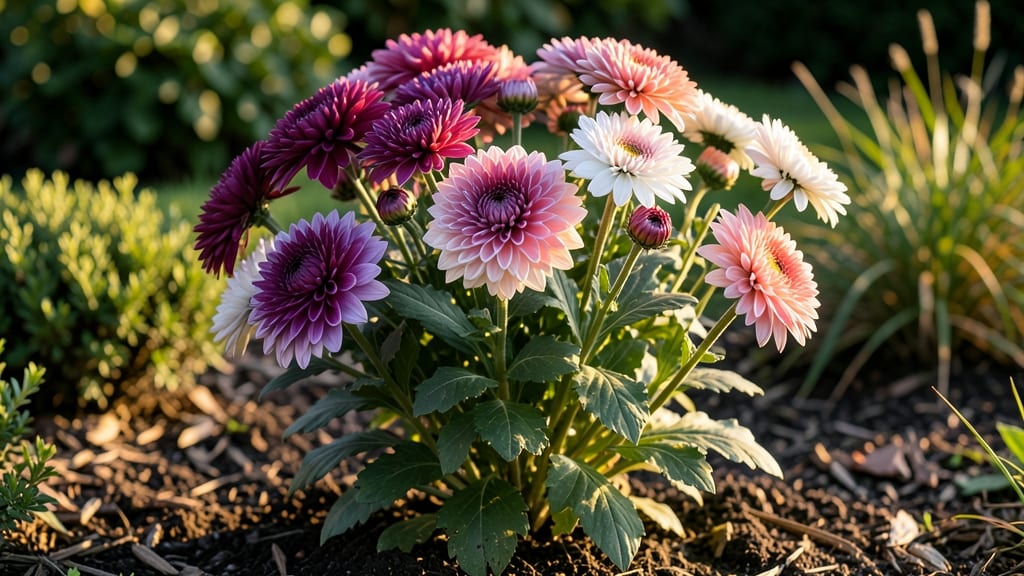
Mums bloom time shifts dramatically depending on your heat zone—what starts as vibrant color in Zone 5 by September might linger until November in Zone 9, and that’s not just luck.
Wondering why your 🌼 chrysanthemums seem to follow a different calendar than your neighbors? Heat zones dictate whether your mums burst into bloom by Labor Day or hold off until after Halloween. The difference isn’t just days—it’s weeks, and it all comes down to temperature cues that trigger flowering.
This isn’t just about picking the right variety. Even the same cultivar can bloom six weeks earlier in cooler climates compared to warmer ones.
The key lies in understanding how your local heat zone interacts with light exposure, soil warmth, and even your watering habits to either rush or delay those cheerful faces.
Below, I’ll break down the science behind these shifts, share the best mum varieties for your zone, and give you three simple adjustments to control bloom time—whether you want fall color sooner or stretched out through winter.
How heat zones directly impact mum bloom time
If you've ever planted chrysanthemums expecting fall blooms but got summer flowers instead—or missed the show because blooms came too late—your USDA heat zone is likely the culprit.
Mums are masters of adapting to temperature shifts, but their bloom cycles shift dramatically based on whether you're in Zone 5 or Zone 10. Understanding this science helps you time plantings perfectly for vibrant color when you want it.
The USDA heat zone map divides the U.S. into 13 zones based on average annual minimum temperatures. For mums, this translates to a 3-4 month difference in bloom timing from the earliest zones (like Zone 3) to the latest (like Zone 11).
In cooler zones, mums often bloom in late September, while in warmer zones, they might wait until November—or even push into winter in tropical areas.
Why does this happen? Mums are short-day plants, meaning they flower in response to decreasing daylight hours. However, soil and air temperatures act as triggers. Cooler zones force mums into dormancy earlier, while warmer zones keep them growing longer. For example, in Zone 5, mums might bloom by mid-October after a hard frost, while in Zone 9, they could still be flowering in December.
Here’s how heat zones directly influence mum bloom time, with practical adjustments for your garden:
In Zones 3-5, where first frosts hit by mid-October, mums like 'Autumn Joy' bloom aggressively in late September to take advantage of the remaining growing season.
These zones rely on early planting (July) to ensure roots establish before cooler temps arrive. If you plant too late, blooms may not form until the following year.
Conversely, Zones 9-11 experience such mild winters that mums often bloom in November or December. Varieties like 'Purple Dome' thrive here because they can handle warmer soil temperatures longer. In these zones, planting in June or July gives mums enough time to mature before cooler nights trigger flowering.
Delaying planting past August risks blooms appearing too late—or not at all.
For Zones 6-8, the transition zone, timing is critical. A late July planting ensures blooms by mid-October, but if you wait until August, expect delayed blooms in November.
This zone benefits from light shade cloth in peak summer to prevent heat stress, which can push back bloom time by 2-3 weeks. Mulching with straw or pine needles also helps regulate soil temperature for consistent blooming.
Pro tip: Use heat zone maps to adjust your planting schedule. For example, if you're in Zone 7 but want earlier blooms, plant 6 weeks ahead of the recommended date and provide afternoon shade during July.
Conversely, in Zone 10, delay planting until August to synchronize blooms with cooler winter nights.
Soil temperature plays an equally important role. Mums need soil temps above 60°F to thrive, but below 50°F triggers dormancy. In cooler zones, this means planting after Memorial Day ensures roots warm up before summer heat peaks.
In warmer zones, planting too early can lead to bolting (premature flowering) or leggy growth.
Experiment with container gardening if your heat zone is extreme. Pots allow you to move mums to shadier spots during heatwaves or sunnier areas to accelerate blooming. Just ensure containers have drainage holes and use lightweight potting mix to prevent overheating.
🌼
Best mum varieties for fast or delayed bloom times
If you're looking to extend your mum blooms or enjoy them earlier in the season, choosing the right variety for your USDA heat zone is key. Some mums thrive in cooler climates and bloom early, while others love heat and flower later.
The secret lies in selecting cultivars that match your local growing conditions for optimal bloom timing.
For Zone 5 gardeners, early bloomers like 'Autumn Joy' shine, while Zone 9 gardeners can enjoy late-season color with 'Purple Dome'. These varieties aren't just about timing—they also bring different colors and sizes to your garden, creating stunning visual impact.
Let's explore the best options for both fast and delayed blooming.
🌼 Fast-Blooming Varieties (Early Season)
- 'Autumn Joy' - Zone 5-9, 36-48" tall, copper-orange blooms, thrives in cooler climates
- 'Paco Pink' - Zone 4-8, 24-30" tall, soft pink blooms, blooms 6-8 weeks after planting
- 'William R. Smith' - Zone 5-9, 24-30" tall, golden-yellow blooms, early fall favorite
🌿 Late-Blooming Varieties (Extended Season)
- 'Purple Dome' - Zone 7-10, 12-18" tall, deep purple blooms, perfect for warm climates
- 'Jolanda' - Zone 7-11, 18-24" tall, creamy-white blooms, blooms into winter in mild zones
- 'Marmalade' - Zone 6-10, 12-18" tall, peach-orange blooms, late-season performer
For cooler climates (Zones 4-6), focus on early bloomers like 'Autumn Joy' or 'Paco Pink' to enjoy vibrant color before the first frost. These varieties typically bloom 8-10 weeks after planting and handle cooler temperatures beautifully. Their taller stature (24-48") makes them perfect for garden backdrops.
In warmer climates (Zones 8-10), late-blooming varieties like 'Purple Dome' or 'Jolanda' thrive, often flowering well into November or December in mild winters. These compact varieties (12-24") work well in containers or garden beds and offer stunning late-season color when other flowers have faded.
Pro tip: If you're in a transition zone (Zone 7), try mixing early and late bloomers. Plant 'Autumn Joy' for early fall color and add 'Marmalade' to extend your blooming season well into winter. This creates a continuous floral display that keeps your garden looking fresh and vibrant.
Remember, soil temperature and daylight hours also play a role in bloom timing. For faster blooms, plant in well-draining soil and provide 6+ hours of sunlight daily.
In warmer zones, provide afternoon shade to prevent early wilting. With the right variety and care, you can enjoy mums from early fall to late winter! 🌸