
Blooming
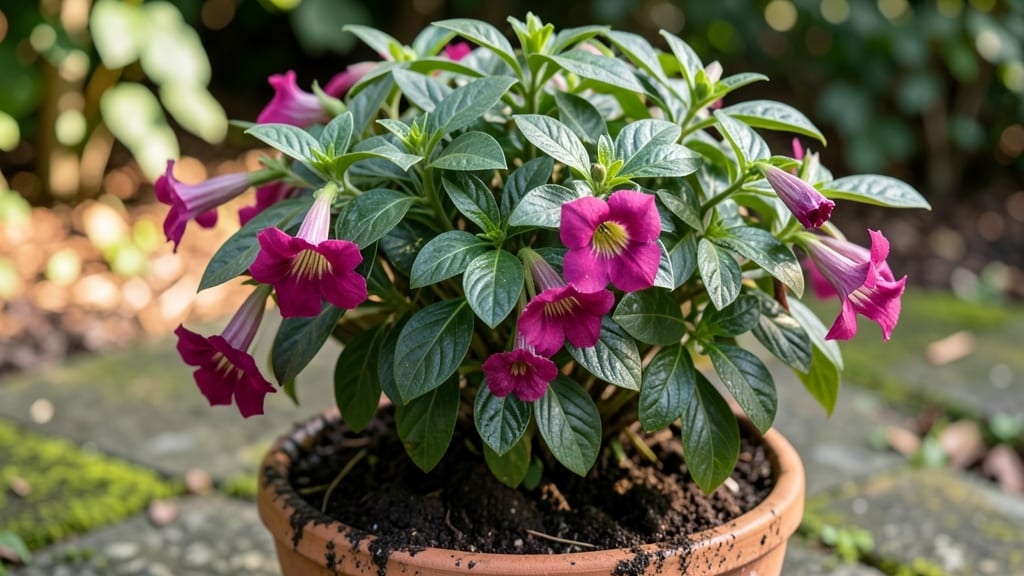
Impatiens bloom time depends on when you plant them and how you care for them, but with the right tricks, you can get vibrant 🌸 flowers in as little as 6 weeks.
Struggling to get your impatiens to bloom? These shade-loving plants can surprise you with rapid color—if you trigger the right conditions. Whether you're starting from seed or transplanting, light, temperature, and feeding play a bigger role than you might think.
Most gardeners wait 8-12 weeks for blooms, but with a few simple adjustments—like morning sun and balanced fertilizer—you can cut that time in half. Below, I’ll share the exact triggers that speed up flowering and keep those petals popping all season.
Ready to turn your impatiens into a nonstop bloom machine? Let’s dive into the science-backed secrets that make the difference between waiting months and enjoying flowers in weeks.
How long do impatiens take to bloom after planting?
If you're eager to see your impatiens burst into color, timing is everything. These shade-loving beauties typically bloom between 4 to 12 weeks after planting, but several factors can speed up—or delay—this process.
Whether you're starting from seeds or transplanting young plants, understanding these timelines helps you set realistic expectations and create ideal growing conditions.
For seed-started impatiens, the wait is longer—expect blooms in 8 to 12 weeks—because the plant must first establish roots and foliage before flowering. Transplants, on the other hand, often reward you with blooms in just 4 to 6 weeks since they’ve already developed a strong root system.
The key to faster blooms lies in replicating their natural habitat: partial shade, consistent moisture, and moderate temperatures.
| Factor | Ideal Condition | Bloom Time Impact |
|---|---|---|
| Starting Method | Transplants | 4-6 weeks |
| Starting Method | Seeds | 8-12 weeks |
| Light Exposure | Partial shade (4-6 hrs sun) | Faster blooms |
| Light Exposure | Full sun | Delayed blooms |
| Temperature | 60-75°F | Optimal blooming |
| Temperature | Below 50°F | Stunted growth |
| Soil Moisture | Consistently moist | Encourages blooms |
| Soil Moisture | Dry soil | Delayed blooms |
Light exposure plays a critical role in impatiens bloom time. While they thrive in partial shade, too little light slows growth, and too much—especially hot afternoon sun—can scorch leaves and delay flowering.
Aim for morning sun paired with afternoon shade to keep your impatiens happy and blooming on schedule. If you notice leggy stems or sparse flowers, it’s a sign they need more light.
Temperature also influences how quickly impatiens bloom. These tropical plants prefer warmth between 60°F and 75°F. Below 50°F, their growth slows dramatically, and they may refuse to flower until conditions improve.
In cooler climates, start seeds indoors 6-8 weeks before your last frost date to give them a head start. If you’re transplanting, wait until soil temperatures reach at least 60°F for best results.
Consistent moisture is another game-changer for impatiens bloom time. These plants love well-draining, consistently moist soil—never let it dry out completely. Mulching around the base helps retain moisture and keeps roots cool, which encourages faster, healthier growth.
If your impatiens start dropping buds or wilting, they’re likely thirsty or stressed from uneven watering.
Fertilizer choice and timing can shave weeks off your impatiens’ bloom time. Use a balanced, water-soluble fertilizer (like 10-10-10) every 4-6 weeks during the growing season. Avoid heavy nitrogen feeds, which promote leafy growth at the expense of flowers.
Instead, opt for a low-nitrogen, high-phosphorus formula to encourage blooming. Feed in the morning to prevent fertilizer burn.
Deadheading spent blooms is a simple trick to extend the flowering season and even coax new buds to form faster. Pinch off faded flowers with your fingers or snip them with clean scissors.
This practice signals the plant to redirect energy into producing more flowers instead of setting seed. With regular deadheading, your impatiens can bloom continuously from early summer until frost.
Regional climate matters too. In warmer zones (7-10), impatiens may bloom as early as 6 weeks after planting, while in cooler zones (3-5), the timeline stretches to 10-12 weeks. If you’re in a shorter growing season, opt for transplants or start seeds indoors early.
Container gardening also helps—potted impatiens can be moved to protected microclimates (like patios or porches) to enjoy ideal conditions.
Patience and the right conditions pay off when it comes to impatiens. By focusing on light, temperature, moisture, and fertilizer, you’ll see those vibrant blooms appear faster and last longer
3 Science-backed triggers to speed up impatiens blooming
Impatiens are famous for their vibrant blooms, but many gardeners wait weeks—or even months—before seeing those first colorful flowers. The good news? You can cut bloom time by 30-50% by targeting three key triggers that work at the cellular level.
These triggers mimic natural conditions that push impatiens into rapid flowering mode, often within just 4-6 weeks of planting.
Most gardeners focus on watering and sunlight, but the real magic happens when you combine light optimization, temperature control, and strategic fertilization. Think of it like giving your impatiens a growth turbocharge—they’ll respond by producing buds faster and blooming more prolifically.
Let’s break down how each trigger works and how to apply them in your garden.
-
Trigger 1: Light Optimization
Impatiens need 4-6 hours of morning sun to trigger photoperiodism—their internal clock for flowering. Too much direct sun causes stress, while too little delays bud formation. Use sheer curtains or plant near east-facing windows to balance light exposure. -
Trigger 2: Temperature Control
Impatiens thrive in 65-75°F temperatures, where their floral initiation genes activate. Avoid hotter climates (>85°F) or cold snaps (<55°F), which stall growth. Use shade cloth in summer or move pots indoors during heatwaves to maintain ideal temps. -
Trigger 3: Strategic Fertilization
A balanced 10-10-10 NPK fertilizer applied every 4-6 weeks provides the phosphorus needed for flower development. Over-fertilizing with nitrogen (e.g., lawn fertilizer) shifts energy to leaves, delaying blooms. Always water before fertilizing to prevent root burn.
Let’s start with light optimization, the most overlooked trigger. Impatiens evolved in shady forest understories, so they’ve adapted to thrive in indirect sunlight. However, they still need enough light to trigger floral initiation.
Place your impatiens in a spot that gets morning sun and afternoon shade, like under a dappled tree canopy or near a north-facing window. If you’re growing them in containers, rotate the pots weekly to ensure even light exposure on all sides.
Next, temperature control is critical because impatiens are sensitive to extreme heat or cold. Their floral buds form best between 65-75°F, which is why they bloom so well in USDA Zones 6-10.
If you live in a hotter climate, use a 30% shade cloth during peak afternoon sun to keep temps in check. For cooler regions, consider growing impatiens in containers and bringing them indoors when nighttime temps drop below 55°F.
Finally, strategic fertilization is where many gardeners go wrong. Impatiens need phosphorus-rich fertilizer to encourage blooming, not nitrogen-heavy formulas designed for leafy greens. Use a 10-10-10 NPK blend and apply it every 4-6 weeks during the growing season.
For potted impatiens, mix 1 tablespoon of fertilizer into the soil at planting, then top-dress with a slow-release granular fertilizer mid-season. Always water thoroughly before and after applying fertilizer to protect roots.
By combining these three triggers—light optimization, temperature control, and strategic fertilization—you’ll see impatiens bloom 30-50% faster than average. The key is consistency: maintain these conditions from planting to bud formation, and your impatiens will reward you with non-stop color from early summer through fall.
Happy gardening!