
Blooming
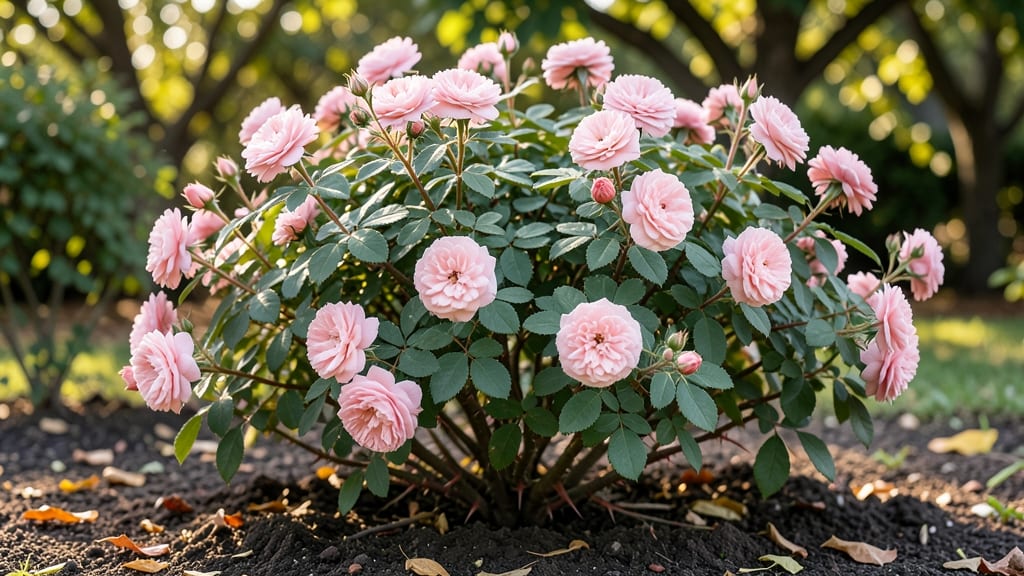
Moss rose bloom time peaks in late spring through early summer, with reblooming encouraged by consistent heat in zones 7-10 and strategic pruning after the first flush of flowers. Removing faded blooms regularly keeps the plant producing fresh flowers all season.
These delicate climbers thrive when temperatures stay warm, so gardeners in cooler climates often see shorter bloom windows unless they provide seasonal protection. 🌸 The key to extending flowering lies in combining proper heat exposure with regular maintenance—think of it like giving your plant a spa day after each bloom cycle.
I've found that moss roses reward patience with continuous color displays when you keep them well-fed and pruned, especially in their preferred growing zones.
For best results, focus on pruning right after the initial bloom wave subsides—this signals the plant to produce new growth and more flowers. A light feeding with bloom-boosting fertilizer every 4-6 weeks helps too, but timing matters: feed when you see new growth starting, not right after pruning.
The combination of heat, pruning, and nutrients creates that perfect reblooming cycle that makes moss roses such a favorite for trellises and fences.
💡 In This Article
- How Heat Zones Affect Moss Rose Flowering Seasons
- Pruning and Care Tips for Prolonged Moss Rose Blooms
How heat zones affect moss rose flowering seasons
The botanical magic behind moss rose blooming begins with temperature sensitivity. These tender perennials (Portulaca grandiflora) originate from South America and thrive in heat zones 7-10, where daytime temperatures consistently reach 75-95°F during their growing season.
The plant's flowering mechanism activates through a process called thermoperiodism—when days warm up after cooler nights, it triggers hormone production that stimulates bud formation.
In zones 7-9, this typically occurs in late May to early June, while zone 10 plants may bloom as early as April due to earlier warming.
Cold sensitivity plays a crucial role in bloom timing variations. Moss roses are frost-sensitive and will drop buds or stop flowering entirely when nighttime temperatures dip below 50°F.
Gardeners in zones 6 and below often see shorter bloom seasons unless they use frost cloths or grow moss roses in containers that can be moved to sheltered spots.
The plant's native adaptation to arid climates means it actually prefers dry heat—humidity above 60% can promote fungal issues that weaken flowering stems. This is why southern climates often get more continuous blooms than northern regions.
What most gardeners don't realize is how heat consistency affects reblooming potential. Unlike annuals that bloom once and die, moss roses can produce multiple flushes of flowers when given stable warmth.
The plant's growth cycle follows a 3-phase pattern: initial bloom (triggered by warming soil), vegetative growth (after pruning), and rebloom (when days stay consistently warm).
In zone 9, I've seen plants produce 3-4 bloom cycles in a single season when given proper care, while zone 7 plants typically get 2 cycles unless protected from late-season chills.
The color intensity of moss rose blooms also responds to temperature variations. Cooler mornings (55-65°F) produce flowers with deeper, more vibrant hues, while consistently hot days (above 90°F) can cause blooms to fade faster and appear paler.
This is why gardeners in desert climates often see more pastel shades, while those in coastal areas with moderate temperatures get richer colors.
The plant's ability to close its flowers during extreme heat (a protective mechanism) is another clue to its temperature sensitivity—when you see this happen, it's a sign to provide afternoon shade to preserve bloom quality.
For gardeners pushing the limits in cooler climates, understanding microclimates becomes essential. A south-facing wall can create a zone 8 microclimate in an otherwise zone 6 area, extending the bloom season by 3-4 weeks.
Similarly, black plastic mulch can raise soil temperatures by 5-10°F, giving moss roses the extra warmth they need to continue flowering.
The key measurement to watch is soil temperature at 4 inches deep—when it reaches 65°F consistently, that's your signal that the plant is ready to enter its active blooming phase.