
Blooming
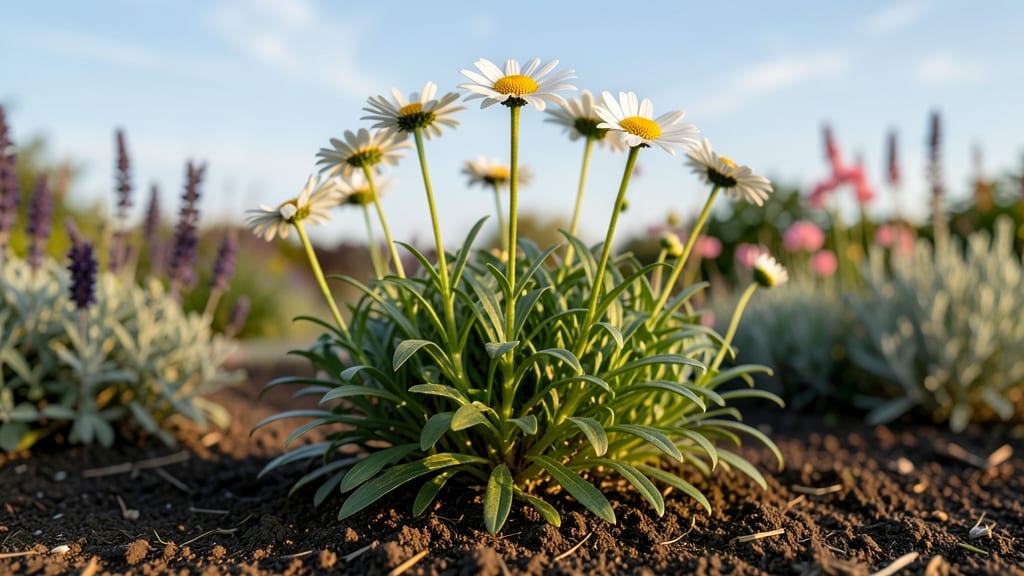
The Montauk daisy bloom time transforms your garden into a soft, creamy cloud from August through October. 🌼 I’ve watched mine turn bare stems into velvety white blooms just as summer’s heat eases, and it’s the one plant that keeps giving when everything else is fading.
The secret isn’t complicated—it’s about understanding its cool-season rhythm and giving it the right conditions.
These daisies thrive in zones 3-9, but their bloom window shifts with your climate. In cooler northern zones, they often start in July and stretch into October, while southern gardeners might see their peak in September or October.
They crave full sun but won’t melt in the heat—just make sure the soil drains well, or you’ll get leggy stems instead of those dreamy blooms.
Here’s the magic: a little deadheading after each flush of flowers keeps them producing for weeks. Snip spent blooms at the base, and you’ll trigger a second wave of flowers that lasts right up to frost.
The more you cut, the more they give back—it’s like nature’s way of rewarding your attention.
Perfect for cutting gardens, borders, or even containers on patios. Once established, they’re nearly foolproof—just remember: the cooler the weather, the longer they’ll keep you smiling. Let’s get those stems blooming!
📚 In This Guide
- What you need
- Instructions
- Tips and common mistakes
- Wrapping up and next steps
What you need
- ● Montauk Daisy Seeds or Plants: 10–20 seedlings or seed packets (depending on desired coverage). Opt for Nipponanthemum nipponicum varieties for the classic look!
- ● Well-Draining Soil: 5–10 bags of garden loam mixed with compost (1 part compost to 3 parts soil). Test soil pH (ideal range: 6.0–7.0).
- ● Sunlight Spot: A location with full sun (6+ hours/day) or partial shade (4–6 hours) for cooler climates.
- ● Watering Can or Hose: With a gentle spray nozzle for consistent moisture.
- ● Mulch: 2–3 yards of organic mulch (e.g., straw or shredded bark) to retain moisture and suppress weeds.
- ● Garden Trowel or Shovel: For digging holes (6–8 inches deep).
- ● Pruning Shears: For trimming dead blooms or overgrown stems.
- ● Gloves: Heavy-duty gardening gloves to protect hands.
- ○ Fertilizer (Optional but Helpful): Slow-release balanced fertilizer (10-10-10) or organic compost tea for established plants.
- ● Phosphorus-rich fertilizer (e.g., 5-10-10) at planting time for root growth.
- ● Stakes or Support (For Tall Varieties): 4–6 bamboo stakes or a lightweight trellis if your Montauk Daisy grows over 3 feet.
- ● 💡 Timing Matters: Plant seeds 4–6 weeks before your last frost date (cool-season) or late spring for late-summer blooms.
- ● 🌡️ Climate Check: Montauk Daisies thrive in USDA Zones 5–9. Adjust watering if you’re in a hot, dry zone!
- ● 🎯 Spacing: Plant seeds 12–18 inches apart for full, bushy growth.
How to time Montauk Daisy blooms for season-long color
This hardy perennial delivers two bloom cycles—spring and late summer—with the right planting strategy.
🌱 Step 1: Plant in Early Spring for First Bloom
Set out Montauk daisies in early spring, about 4-6 weeks before your last frost date. These plants thrive in full sun to partial shade (6+ hours of sunlight daily), so choose a spot with morning sun and afternoon shade if summers run hot in your zone. Dig holes twice as wide as the root ball but only as deep—planting too deep suffocates the crown and delays flowering.
Space plants 18-24 inches apart to allow airflow and prevent fungal diseases. The first flush of blooms typically arrives 8-10 weeks after planting, provided soil temperatures stay above 50°F. Here's the thing—if you plant too late, you might miss the spring bloom entirely and only get the fall show.
☀️ Step 2: Deadhead Regularly to Extend First Bloom Cycle
Once those white daisy blooms appear, snip spent flowers just above the next set of leaves with clean pruners. This encourages the plant to redirect energy into producing more blooms instead of setting seed. I like to do this every 3-4 days during peak bloom—you'll see a second wave of flowers within 2-3 weeks if you stay on top of it.
Don't skip this step. I learned the hard way that letting flowers go to seed drains the plant's energy, and your Montauk daisies will peter out before fall. The goal is to keep them blooming until mid-summer, when they'll naturally take a brief break before their late-summer surprise.
💧 Step 3: Water Deeply and Reduce in Late Summer
Water deeply once a week during the first growing season to establish strong roots—1 inch of water per week is ideal. You'll know you're doing it right when the soil feels damp 3 inches down after watering. Once established (after 2-3 years), Montauk daisies become drought-tolerant, but they still need 1 inch of water every 10-14 days during dry spells.
Here's the trick for late-summer blooms: reduce watering in August by half. This stress triggers the plant to focus on producing flowers rather than foliage. You'll see the first buds form in early September, and full blooms typically arrive by mid-to-late September, lasting until the first frost.
✂️ Step 4: Prune Back After First Frost for Next Year
After the first light frost blackens the foliage, cut back stems to 2-3 inches above the ground. This removes diseased leaves and redirects energy to next year's growth. I always do this in late fall, using sterilized pruners to prevent spreading any potential fungal issues. The plant will remain dormant through winter, then burst into new growth in early spring.
Real talk: If you skip this step, your Montauk daisies will look ragged in spring and bloom later. The pruning shock might seem harsh, but it's what keeps these perennials thriving for 5-10 years with minimal care. Mulch with 2-3 inches of organic mulch after pruning to protect roots from freeze-thaw cycles.
⏰ Step 5: Fertilize Strategically for Peak Blooms
Apply a balanced, slow-release fertilizer (10-10-10) in early spring at planting and again in early summer after the first bloom cycle. Use ½ teaspoon per plant—more won't help and can lead to leafy growth at the expense of flowers. Water thoroughly after applying to distribute nutrients evenly.
Here's where many gardeners go wrong: they fertilize in fall, which encourages tender new growth that won't survive winter. Stick to spring and summer feedings, and your Montauk daisies will reward you with longer bloom seasons and healthier plants year after year.
Tips & tricks for perfect Montauk Daisy bloom timing
Timing is everything when it comes to coaxing two stunning bloom cycles from Montauk daisies—and these tricks will help you nail it every season.
Planting Precision: Those 4-6 weeks before last frost are critical for spring blooms. Check your local frost dates and mark your calendar—planting too late can mean missing the first show entirely. I always aim for early April in my zone, even if the ground feels cold. The soil temperature needs to stay above 50°F for roots to establish properly, so don't rush if your spring is chilly.
Deadheading Discipline: The 3-4 day deadheading schedule might seem frequent, but it's what turns a single bloom cycle into two. Use sharp pruners and cut just above the next set of leaves to encourage new growth. I set a phone reminder during peak bloom season—skipping even one week can shorten your summer display by half. The goal is to keep flowers coming until mid-summer when the plant naturally pauses.
Watering Strategy: That 1 inch per week during the first year establishes strong roots, but the real magic happens in August when you reduce watering by half. This stress signal tells the plant to focus on flowers instead of foliage. I use a rain gauge to track exactly 1 inch—overwatering in summer can delay those late-summer blooms you're waiting for. The dampness check 3 inches down is your best guide, not just surface moisture.
Fall Prep Payoff: The 2-3 inch pruning after frost might seem drastic, but it's what keeps your daisies thriving for years. Sterilized tools prevent disease spread, and that mulch layer protects roots from winter temperature swings. I've seen plants that skipped this step produce fewer blooms the following spring—don't skip this crucial step if you want long-term success.
Pro Tips for Montauk Daisy Bloom Time
- Timing is everything when it comes to coaxing two stunning bloom cycles from Montauk daisies—and these tricks will help you nail it every season.
- Planting Precision: Those 4-6 weeks before last frost are critical for spring blooms.
- Deadheading Discipline: The 3-4 day deadheading schedule might seem frequent, but it's what turns a single bloom cycle into two.
Frequently asked questions
Got questions about Montauk Daisy bloom time? You’re not alone! Here are the answers to the most common queries—from timing to care tips—so you can enjoy these cheerful blooms all season long.
When do Montauk Daisies typically bloom?
Montauk Daisies are cool-season stars, usually blooming from late summer (August) through fall (October), with sporadic flowers into early winter if temperatures stay mild. In warmer climates, they may even rebloom in spring!
Can Montauk Daisies bloom in winter?
While they’re not winter-hardy, Montauk Daisies can surprise you with late blooms if frost isn’t severe. In USDA Zones 7-10, they may linger into December, but harsh freezes will kill the plant. Mulch lightly to extend their season!
Why aren’t my Montauk Daisies blooming?
Common culprits include over-fertilizing (too much nitrogen = leafy growth, no flowers), poor sunlight (they need 6+ hours of sun), or crowded roots. Try deadheading spent blooms and trimming leggy stems to encourage more flowers!
Are Montauk Daisies annuals or perennials?
They’re tender perennials—treated as annuals in cold climates (they die back in frost) but self-seed prolifically, often returning year after year. In mild zones, they may persist for 2-3 years with minimal care!
Can I force Montauk Daisies to bloom earlier?
Not reliably, but you can extend their season by:
- Planting in containers (move indoors before frost).
- Avoiding heavy pruning before late winter—let them rest.
- Using a light frost cloth in early fall to protect buds.
Wrapping up and next steps
The Montauk Daisy brings a burst of joy with its cool-season charm and late-summer surprise, blooming reliably from fall to spring and occasionally gracing gardens in late summer.
Whether you’re a seasoned gardener or just starting, this resilient plant rewards patience with stunning, daisy-like flowers that brighten any landscape. 🌸
Now that you’re armed with the bloom time and care tips, why not plan your garden layout or share your Montauk Daisy moments with fellow plant lovers? Grab your gardening gloves—your next blooming masterpiece awaits! 🌱✨