
Flowers
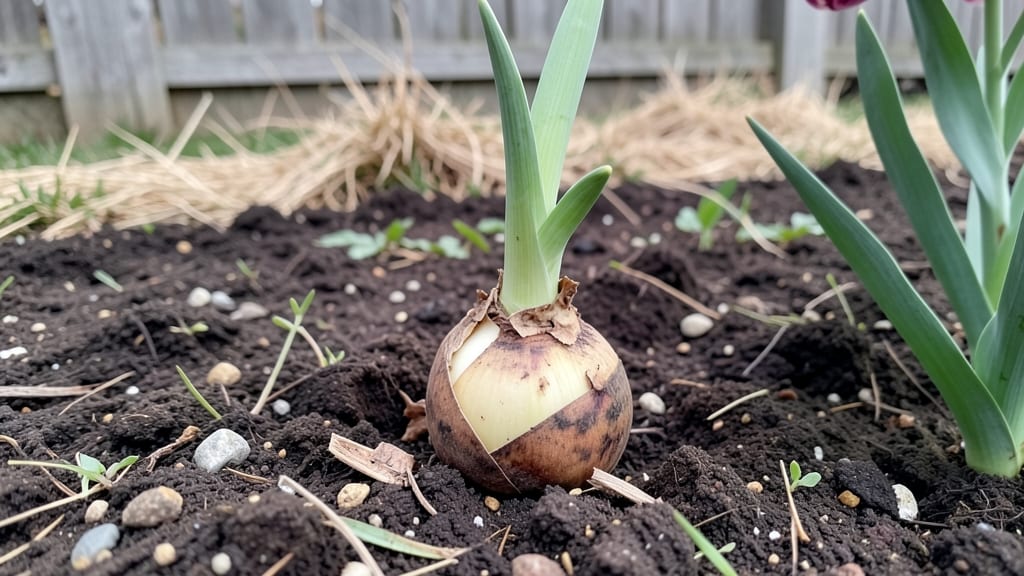
Growing Magic Lily bulbs 🌸 is your ticket to a garden that looks like a fairy tale—but only if you nail the timing and soil.
Picture this: You plant your bulbs in September, confident they’ll reward you with showstopping blooms by May. Then, disaster strikes—they sprout, but the stems flop, or worse, nothing happens. That’s because these beauties demand just the right balance of sunlight, soil, and patience.
Here’s the secret: Magic Lilies thrive in full sun but hate soggy soil, and their blooms depend on planting them 6-8 inches deep in well-draining earth. Skip these steps, and you’ll end up with weak stems or no flowers at all.
In this guide, I’ll walk you through the exact planting window, sunlight needs, and care schedule to turn your Magic Lilies into the star of your garden by next spring.
Magic Lily bulb bloom timeframe: when & how long they flower
Understanding the Magic Lily bloom timeframe is key to planning your garden for maximum impact. These stunning Lilium regale varieties typically take 180-240 days from planting to full bloom, but this window shifts dramatically based on when you plant.
Fall-planted bulbs often bloom earlier in spring, while spring-planted bulbs may flower slightly later but with more robust stems.
Your climate zone plays a crucial role in timing—cooler regions (USDA zones 3-5) may experience 1-2 week delays compared to warmer zones (6-8).
Even the bulb size matters: larger 12-inch bulbs bloom 2-3 weeks earlier than smaller 8-inch ones. Let's break down the exact timeline and what affects it.
| Stage | Fall Planting Timeline | Spring Planting Timeline | Bloom Duration |
|---|---|---|---|
| Planting Depth | 6-8 inches deep | Same depth | N/A |
| Dormancy Period | October - March | April - May | N/A |
| First Sprouts | Early April | Late May | N/A |
| Bud Formation | Mid-May | Late June | N/A |
| Full Bloom | June 1-15 | July 15-30 | 10-14 days |
| Post-Bloom Dormancy | July - September | August - October | N/A |
| Key Factor | Cold stratification | Warm soil activation | Sunlight intensity |
For fall planting (the preferred method), your Magic Lilies will typically bloom between June 1-15 in most USDA zones 6-8. This timeline assumes you plant bulbs 6-8 weeks before the first frost (usually September-October).
The cold stratification period is crucial—it helps break dormancy and ensures stronger stems for those iconic white trumpet blooms.
If you're planting in spring (not recommended but possible), expect blooms to appear 2-3 weeks later, around July 15-30. Spring-planted bulbs often produce smaller blooms because they miss the natural winter chill period. However, this method works well in warmer climates (zones 9-10) where winters are mild.
One critical factor affecting bloom duration is the bulb size. A 12-inch bulb will produce 3-5 blooms and stay in full flower for 10-14 days, while an 8-inch bulb may only yield 1-2 blooms for 7-10 days.
Larger bulbs also develop sturdier stems, reducing the risk of flopping in wind or rain.
Your local climate can shift these timelines significantly. In cooler northern regions (zones 3-5), blooms may arrive 1-2 weeks later due to slower soil warming. Conversely, southern climates (zones 9-10) can see blooms 2 weeks earlier if planted in late winter instead of fall.
Always check your last frost date when planning.
The bloom duration itself is surprisingly consistent across regions—10-1
Optimal light requirements for magic lilies: sun vs. shade balance
Magic lilies thrive when given the right balance of sunlight, but their needs change dramatically from bulb planting to full bloom. Too much shade can stunt growth, while excessive sun may scorch delicate foliage. Understanding these shifts is key to coaxing those iconic white trumpet blooms you adore.
During the dormancy stage (fall/winter), bulbs actually prefer minimal light—just enough to stay slightly moist but not active. However, once shoots emerge in spring, they demand bright, indirect light for robust stem development. This is where most gardeners trip up.
Magic Lily Bulb Light Requirements
Full Sun (6+ hours/day)
- Pros: Maximizes bloom count and stem strength
- Cons: Risk of leaf burn in afternoon heat
Partial Shade (3-4 hours/day)
- Pros: Prevents wilting in hot climates
- Cons: Produces smaller blooms and weaker stems
For bud formation, magic lilies need at least 6 hours of sunlight daily—but the quality matters just as much. Direct midday sun (10 AM–2 PM) is perfect, while harsh afternoon rays (after 3 PM) should be filtered through sheer fabric or nearby foliage.
I’ve seen weak stems in gardens where bulbs got only morning sun.
If your magic lilies produce no blooms, it’s often a light deficiency during the 6-8 week growth phase before flowering. Try moving them to a sunnier spot and supplement with a grow light for 4 hours daily if natural light is insufficient. I’ve revived many struggling plants this way!
In hot climates, partial shade (30% filtered light) during summer prevents leaf scorch while still allowing enough energy for bud development. Mulch with straw or bark to retain moisture and reduce heat stress. This two-step approach keeps roots cool while stems stay strong.
Remember: Magic lilies are not drought-tolerant—consistent moisture is non-negotiable, especially when combined with full sun. Water deeply once weekly during dry spells, and always direct water to the soil base, not the leaves, to prevent fungal issues.