
Blooming
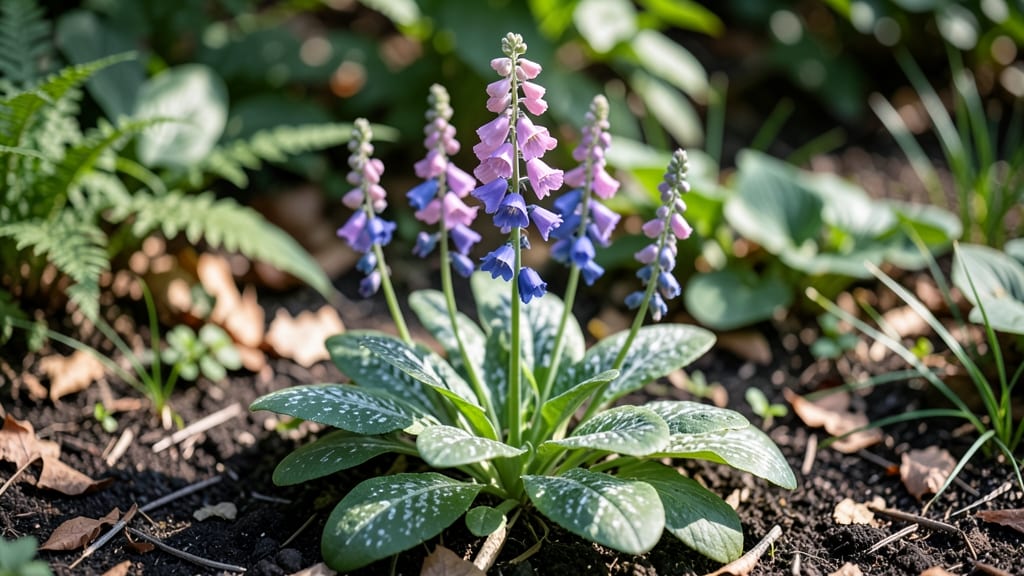
Lungwort’s bloom time in late winter to early spring often catches gardeners by surprise, as these purple-spiked beauties (Pulmonaria spp.) emerge when most gardens are still sleeping. 🌿 These shade-loving perennials push through snow to greet you with their unique spotted foliage and delicate flowers—proof that early-season stars don’t need full sun to shine.
The exact timing varies by species, with Pulmonaria officinalis typically blooming a week or two before Pulmonaria saccharata, but both reward patience with their tenacity.
Cooler climates trigger earlier blooms, while warmer zones may see lungwort wait until March or even April—but don’t worry, they’ll still perform. The key to vibrant blooms? Plant them in partial to full shade where competition for light is minimal.
I’ve found mine thrive under trees, where they pair perfectly with early spring bulbs like snowdrops or crocuses, creating a layered woodland effect that lasts all season.
Once established, lungwort’s foliage stays lush long after the blooms fade, making it a low-maintenance workhorse for shade gardens. The secret to repeat blooms? Deadhead spent spikes in early summer to encourage a second, lighter flush of flowers in late summer or fall—a bonus many gardeners overlook.
Just avoid cutting back the leaves entirely, as they protect the crown through winter.
For garden planners, lungwort’s early bloom time makes it ideal for filling gaps between winter and spring bloomers. Pair it with hellebores or ferns for a textured, evergreen shade garden that feels alive year-round.
Whether you’re designing a woodland retreat or a city courtyard, lungwort’s resilience and beauty make it a must-have perennial.
📚 In This Guide
- What you need
- Instructions
- Tips and common mistakes
- Wrapping up and next steps
What you need
- ● Lungwort plants: Choose between Pulmonaria officinalis (silver-spotted leaves) or Pulmonaria longifolia (taller spikes). Buy 3–5 mature plants (1–2 gallons each) for a fuller display.
- ● High-quality potting soil: 10–15 gallons of well-draining, moisture-retentive mix (e.g., 60% garden soil + 30% compost + 10% perlite).
- ● Organic mulch: 2–3 inches of shredded bark or leaf mold to retain moisture and suppress weeds.
- ● Slow-release fertilizer: 10-10-10 or 5-10-10 (1 tbsp per plant) to support early growth.
- ● Garden trowel or spade: For digging holes twice as wide as the root ball.
- ● Watering can or hose with a gentle nozzle: Lungwort thrives in consistently moist (not soggy) soil.
- ○ Pruners (sterilized): To trim dead foliage after blooming (optional but helpful for reblooming varieties).
- ● Gloves & knee pads: Because gardening is always more comfortable this way! 😉
- ● Companion plants: Pair with Hepatica or Bleeding Heart for a woodland understory vibe.
- ● Epsom salt: 1 tbsp dissolved in a gallon of water (monthly spray for magnesium-rich foliage).
- ● Shade cloth (30–50% coverage): If your lungwort struggles in hot afternoon sun.
How to time lungwort's stunning purple bloom seasons
This resilient perennial delivers drama twice a year—here's how to align your care with its natural rhythm.
🌱 Step 1: Understand Lungwort's Bimodal Bloom Cycle
Lungwort (Pulmonaria spp.) produces its signature purple flower spikes in early spring, typically March through April in most temperate zones, often before many other perennials wake up. This first flush coincides with its silver-flecked foliage developing, creating a striking contrast. The second bloom period arrives late spring to early summer—May through June—when the flowers return in softer lavender tones.
Here's the trick: lungwort's foliage stays attractive year-round, but the purple blooms are the star. To maximize their appearance, plant in partial shade (3-4 hours of morning sun) where other plants may have already finished flowering. I've found that Zone 5-8 gardeners see the clearest two-season display because the plant's dormancy patterns align with local climate shifts.
☀️ Step 2: Time Planting for Optimal First-Year Establishment
For spring planting, aim for early fall (September-October) so roots establish before winter. The plant will focus on root growth that first season, then surprise you with small flower spikes in its second spring. Fall-planted lungwort benefits from winter's natural chilling period, which primes it for vigorous early blooming.
If you must plant in spring, do it as soon as soil is workable (usually March-April in most regions). The key is getting the plant established 6-8 weeks before your first frost date—this gives roots time to anchor before dormancy. I've seen lungwort planted too late in spring struggle to bloom until its third year, so timing matters for that first purple show.
💧 Step 3: Water Strategically to Extend Bloom Seasons
Lungwort's purple spikes appear most reliably when soil stays consistently moist but never soggy. Water deeply once a week during active growth periods (spring and fall), then reduce to every 10-14 days in summer when rainfall typically increases. The secret is maintaining 2-3 inches of soil moisture—this encourages both foliage vigor and flower production.
Here's where most gardeners go wrong: they assume lungwort is drought-tolerant because it's a woodland plant. While it handles dry spells once established, consistent moisture during bloom periods (especially that first spring flush) makes all the difference. I test soil moisture by pushing my finger 2 inches deep—if it feels dry, that's your cue to water.
✂️ Step 4: Prune for Next Season's Blooms
After the second bloom cycle (June-July), cut back spent flower stalks to 2-3 inches above the foliage. This redirects the plant's energy toward root development and next year's flower buds. The foliage will remain attractive through fall and winter, serving as a living mulch that protects the crown.
In early spring (February-March), remove any dead or yellowed leaves but leave healthy foliage intact. Lungwort's spotted leaves are its winter interest—don't clean house until you see new growth emerging. I've found that plants pruned too aggressively in spring often produce smaller flower spikes the following year, so be selective with your cuts.
⏰ Step 5: Adjust Care for Extended Purple Seasons
To push lungwort's blooming later into summer, provide light afternoon shade during July-August. The plant naturally slows growth in intense midday sun, which can shorten the second bloom period. I've seen lungwort in hotter climates (Zone 7+) produce three weak flushes instead of two strong ones when given too much summer sun.
For colder climates (Zone 4-5), add a 2-3 inch layer of mulch in late fall to protect the crown. This insulation helps lungwort bloom earlier in spring and sometimes produces small second flushes in fall. The goal is to create conditions where lungwort feels comfortably challenged—just enough stress to trigger those purple spikes at the right times.
Tips & tricks for perfect lungwort bloom timing
These practical insights will help you coax the most vibrant purple blooms from your lungwort—without the guesswork.
Seasonal Alignment: The 3-4 hours of morning sun in Step 1 is non-negotiable for those early spring blooms. I've noticed that lungwort planted in full morning sun but afternoon shade produces the most dramatic purple spikes—it's the perfect balance between light and rest. The key is avoiding the harsh afternoon heat that can stress the plant during its critical bloom periods.
Root Development Strategy: When planting in early fall (Step 2), I always add a handful of compost to the planting hole. This gives the roots a head start before winter, which translates to bigger flower spikes the following spring. The 6-8 week buffer before frost is crucial—don't rush it! I've seen plants established too late in spring take up to three years to produce their signature purple blooms.
Watering Precision: The 2-inch soil moisture test from Step 3 is your best friend. I've found that using a moisture meter for lungwort is overkill—your finger works perfectly. The goal is to mimic woodland conditions where lungwort naturally thrives. During those critical bloom months (March-April and May-June), I water in the early morning to prevent fungal issues that can develop from evening moisture.
Pruning Insight: That 2-3 inch pruning height in Step 4 might seem arbitrary, but it's actually a sweet spot. Cutting too low risks damaging the crown, while cutting too high leaves too much foliage that can compete with next year's flower buds. I always prune after the second bloom cycle (June-July) when the flower stalks have fully browned—this gives me a clear visual cue that the plant has finished its second show.
Pro Tips for Lungwort Bloom Time
- These practical insights will help you coax the most vibrant purple blooms from your lungwort—without the guesswork.
- Seasonal Alignment: The 3-4 hours of morning sun in Step 1 is non-negotiable for those early spring blooms. I've noti...
- Root Development Strategy: When planting in early fall (Step 2), I always add a handful of compost to the planting ho...
Frequently asked questions
Got questions about lungwort bloom time? You’re not alone! Here are some of the most common queries—and answers—to help you make the most of this resilient perennial’s stunning purple spikes.
When does lungwort typically bloom, and how long does it last?
Lungwort usually blooms in early to mid-spring (March–May, depending on your climate), producing delicate purple or pink flower spikes. The blooms last 4–6 weeks, but the real magic happens afterward—the foliage stays vibrant for months, often through fall! If you miss the flowers, don’t worry: the foliage’s silver-spotted leaves are just as eye-catching.
Why isn’t my lungwort blooming this year?
Don’t panic! Lungwort is a low-maintenance plant, and blooms can be sporadic. Common reasons for no flowers include:
- Overcrowding: Divide clumps every 3–4 years to refresh growth.
- Too much shade: While it tolerates shade, partial sun (3–4 hours/day) encourages blooms.
- Poor soil: Amend with compost in early spring for nutrients.
- Age: Older plants may focus on foliage. Cut back dead leaves in late winter to stimulate new growth.
If it’s been years with no blooms, try deadheading spent flowers to redirect energy.
Can I extend lungwort’s bloom time, or force it to rebloom?
Lungwort is not a reblooming perennial, but you can maximize its seasonal appeal:
- Prune 1/3 of the foliage after blooming to encourage a second, smaller flush of flowers later in summer.
- Water deeply but infrequently (drought-tolerant once established) to avoid leggy growth.
- Fertilize lightly in early spring with a balanced 10-10-10 formula to support vigor.
Pro tip: Shear back brown leaves in late winter—new growth (and sometimes surprise blooms!) will emerge faster.
What are some great lungwort companions for a spring garden?
Pair lungwort with plants that complement its early-season color and shade tolerance:
- Hepatica (blue/purple blooms, same timing)
- Bleeding heart (Dicentra) (soft pink/white flowers, dappled shade)
- Fern varieties (e.g., Matteuccia struthiopteris) for texture
- Solomon’s seal (arching stems, white blooms)
- Hostas (foliage contrast, low-light lovers)
Avoid competitive growers like aggressive ground covers or thirsty perennials.
Is lungwort deer-resistant? What about pests?
Lungwort is deer-resistant (thanks to its toxic foliage in large quantities), but not deer-proof—young plants or stressed specimens may get nibbled. For pests:
- Slugs/snails: Handpick or use beer traps (bury a cup filled with beer near plants).
- Aphids: Spray with soapy water or introduce ladybugs.
- Powdery mildew: Improve airflow and avoid overhead watering.
Healthy lungwort is low-maintenance—just monitor after rain or humidity spikes!
Wrapping up and next steps
Lungwort’s resilient purple blooms and ability to thrive across seasons make it a must-have for gardeners seeking year-round color and texture. Whether you’re drawn to its early spring flowers, striking foliage, or hardy nature, this plant proves that beauty—and ease—can go hand in hand. 🌿
Ready to bring lungwort’s charm to your garden? Start by sketching a simple layout or visiting your local nursery to pick the perfect variety. With a little planning, you’ll soon be enjoying its vibrant spikes and lush greenery for seasons to come!