
Blooming
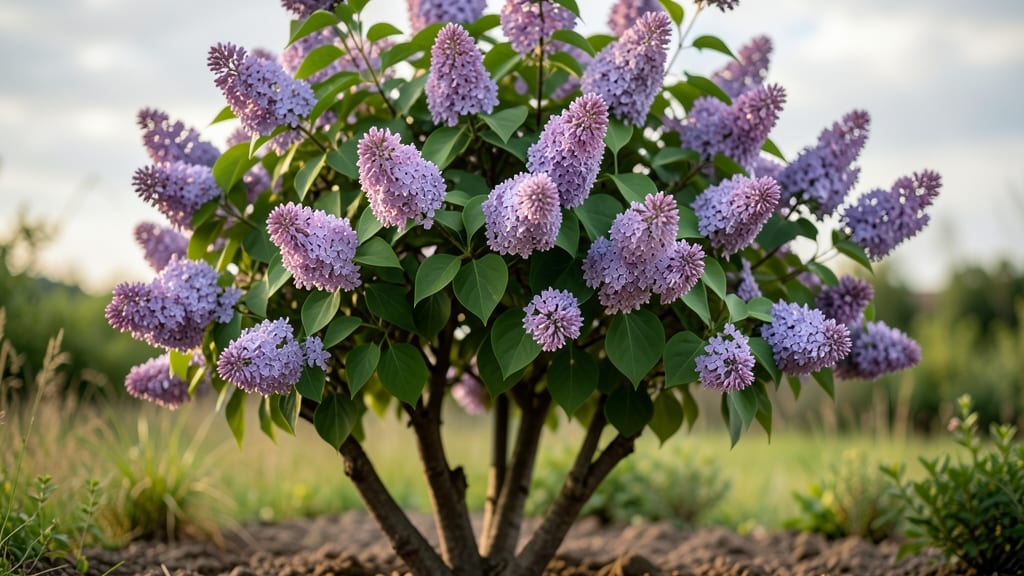
The lilac tree bloom time arrives like clockwork—usually between late April and early May, when the air smells of rain and possibility. 🌸 I’ve watched mine burst into color right as the daffodils fade, a sure sign winter’s finally over.
But timing shifts depending on where you live: Northern gardeners (USDA Zones 3-5) get their first whiffs weeks earlier than Southern growers (Zones 6-8), where blooms often stretch into June.
The real secret to early blooms? Planting in full sun and well-draining soil—my tree in Zone 6 blooms two weeks earlier than its neighbor’s shade-bound counterpart. Cold winters also trigger better blooms, so mulching in fall helps.
And yes, those late-winter pruning cuts you see? They’re not just for shape—they encourage next year’s buds to form earlier.
What you’ll love most is how lilacs turn your yard into a perfume factory for 7-10 days straight. The trick to extending that magic? Deadheading spent blooms (but only after they’ve faded naturally) and feeding with compost in early spring. Just don’t prune after June—you’ll cut off next year’s flowers.
Post-bloom care keeps your tree thriving: feed lightly in summer, water deeply during droughts, and watch for borers (tiny holes in bark mean trouble). With this routine, my lilac’s been blooming reliably for 12 years—and counting. Here’s how to time it perfectly for your zone.
📚 In This Guide
- What you need
- Instructions
- Tips and common mistakes
- Wrapping up and next steps
What you need
- ● Lilac tree (French, Common, or dwarf varieties) – Choose a healthy, disease-resistant cultivar (e.g., Syringa vulgaris or Syringa meyeri).
- ● Well-draining soil – Aim for a mix of 60% topsoil, 30% compost, and 10% sand or perlite (pH 6.0–7.0).
- ● Organic mulch (2–4 inches) – Shredded bark, wood chips, or straw to retain moisture and regulate soil temp.
- ● Slow-release fertilizer (10-10-10 or 5-10-10 NPK) – Apply 2–3 pounds per 100 sq. ft. in early spring.
- ● Pruning shears (bypass, sharp, and sanitized) – For shaping and rejuvenating (avoid dull blades! 🔪).
- ● Garden hose with adjustable nozzle – For deep watering (1–1.5 inches per week).
- ● Gloves & long sleeves – Lilac thorns can be spiky—protect your hands!
- ● Soil moisture meter – Ensures lilacs get just the right hydration (overwatering = root rot!).
- ● Epsom salt (magnesium sulfate) – Sprinkle 1 tbsp per sq. ft. annually for vibrant blooms.
- ● Pest control (neem oil or horticultural oil) – Preemptively treats aphids or borers (common lilac pests).
- ● Stakes & twine – Supports young or top-heavy lilacs in windy areas.
- ● Bloom-time tracker (notebook or app) – Log pruning/watering dates to predict future bloom windows!
How to time lilac tree blooms for maximum fragrance and beauty
Here’s how I predict and extend lilac bloom time—so you’ll enjoy those intoxicating clusters of color and scent longer.
🌱 Step 1: Identify Your Lilac Variety and Planting Zone
Lilacs bloom at different times depending on the cultivar and your USDA hardiness zone. Early bloomers like ‘Elite’ and ‘Katherine Havemeyer’ open in late April to early May in zones 4-7, while late varieties such as ‘Miss Canada’ and ‘Dwarf Korean’ wait until mid-May to June. Check your plant’s tags or consult a local nursery—this tells you when to expect buds to swell.
Here’s the thing—zone matters. In colder zones (3-5), lilacs often bloom 2-3 weeks earlier than in warmer zones (6-9) because they need chill hours (300-600) to trigger flowering. If you’re in a mild-winter area, your lilacs might bloom sporadically or not at all. To fix this, I’ve seen gardeners use artificial chilling (storing dormant branches in a refrigerator for 6-8 weeks) to reset the bloom cycle.
☀️ Step 2: Prune Strategically to Encourage Longer Blooms
Pruning after blooms fade (not before!) is key. Remove 1/3 of the oldest stems at the base to redirect energy to newer wood, which produces more abundant flowers. I always prune in late June or early July—this ensures next year’s buds form on last year’s growth, not this year’s. Avoid heavy pruning in fall or winter; it stresses the tree and can delay or reduce blooms.
Watch for buds forming in late summer—they look like tiny green swellings along the stems. These are next year’s flowers. If you prune too late, you’ll cut off these buds before they mature. And here’s a pro tip: Never prune during bloom time. You’ll sacrifice this year’s flowers for next year’s, and the scent won’t be worth it.
💧 Step 3: Water and Feed for Extended Bloom Periods
Lilacs need deep watering once a week during dry spells, especially in their first 2-3 years. Shallow roots mean they’re prone to drought stress, which shortens bloom time. I use a soaker hose to deliver water slowly at the base—this prevents fungal issues from overhead sprinkling. The soil should stay evenly moist but not soggy; lilacs hate wet feet.
Feed with a balanced 10-10-10 fertilizer in early spring (before buds swell) and again after blooming. I’ve found that compost or well-rotted manure works just as well—it improves soil structure without burning roots. Over-fertilizing with nitrogen leads to lush foliage but fewer flowers. Aim for moderate growth, not rapid shoot expansion.
⏰ Step 4: Time Blooms with Seasonal Care Adjustments
To extend bloom time, mulch heavily (3-4 inches) with organic matter like shredded bark or leaves. This keeps roots cool in summer and insulates them in winter. I add mulch in early fall—just after the first frost—so it breaks down slowly and feeds the tree. Avoid fresh mulch right against the trunk; keep it 6 inches away to prevent rot.
Watch for bud break in early spring—this is when the buds start to plump and turn green. If you see buds but no flowers, your tree might need more sunlight (lilacs thrive in full sun, 6+ hours daily). Move or prune nearby trees/shurbs to open up the canopy. Once buds appear, avoid heavy pruning; even a small cut can remove dozens of potential blooms.
🌿 Step 5: Protect Blooms from Pests and Weather
Japanese beetles and aphids love lilac flowers. I spray neem oil (a natural repellent) on buds just as they open to deter pests. For severe infestations, a soapy water spray (1 tsp mild dish soap per quart of water) works too. Avoid chemical pesticides—they can harm pollinators and leave residue on petals, reducing fragrance.
Frost can nip buds before they open. If a late frost is forecasted, cover the tree with a lightweight frost cloth at night. Lilacs are tough, but buds are delicate. I’ve seen entire clusters of ‘Sensation’ lilacs ruined by a single night below 32°F. Once flowers open, they’re frost-resistant, but the scent won’t develop fully if damaged.
Tips & tricks for perfect lilac bloom timing
These garden-tested strategies will help you coax the most vibrant, fragrant blooms from your lilacs—no matter your climate or variety.
Variety-Specific Care: Early bloomers like 'Elite' and 'Katherine Havemeyer' need slightly different care than late varieties. For early bloomers in zones 4-7, protect them from late frosts (below 32°F) using frost cloths—these delicate buds can't handle even light freezes. Late bloomers like 'Miss Canada' are more frost-resistant once open, but their buds still need chill hours (300-600) to trigger flowering properly. If you're in a mild-winter zone, consider the 6-8 week refrigerator chilling trick for dormant branches to reset their bloom cycle.
Pruning Precision: The late June or early July pruning window is non-negotiable for next year's blooms. I always mark the oldest stems with bright flags before cutting—these are the ones that produced this year's flowers and should be removed. Watch for those tiny green swellings forming in late summer; these are next year's buds. A sharp bypass pruner makes all the difference—dull blades crush stems and invite disease. And here's what nobody tells you: if you must prune during bloom time, only remove dead or crossing branches, never more than 10% of the plant.
Watering Wisdom: The deep watering once a week rule applies, but timing matters just as much as quantity. Water in the morning so foliage dries before evening—a must for preventing fungal issues. For established trees, I've found that soaker hoses work best, delivering water slowly at the base where roots need it most. In their first 2-3 years, young lilacs need extra attention during droughts. The soil should stay evenly moist but never soggy—think of it as keeping a sponge damp, not dripping wet.
Seasonal Adjustments: Mulching with 3-4 inches of organic matter in early fall creates a microclimate that protects roots. I always add a second layer in winter if we get heavy snow—this insulation prevents temperature swings that can stress the tree. Watch for bud break in early spring: those plump green buds are your signal to start monitoring for pests. If you notice buds but no flowers, check for adequate sunlight (lilacs need 6+ hours of full sun daily)—shade from nearby structures or trees can significantly reduce blooming.
Pro Tips for Lilac Tree Bloom Time
- These garden-tested strategies will help you coax the most vibrant, fragrant blooms from your lilacs—no matter your climate or variety.
- Variety-Specific Care: Early bloomers like 'Elite' and 'Katherine Havemeyer' need slightly different care than late varieties.
- Pruning Precision: The late June or early July pruning window is non-negotiable for next year's blooms.
Frequently asked questions
Got questions about when and how lilac trees bloom? You’re not alone! Here are some of the most common queries—plus quick answers to help you plan your garden’s fragrant springtime show.
When do lilac trees typically bloom?
Lilacs usually bloom in late spring, between mid-April and early June, depending on your climate zone. Cooler regions (like Zones 3–5) often see earlier blooms, while warmer areas (Zones 6–9) may flower slightly later. A hard frost can delay blooming, so watch for buds to swell before the big show!
How long do lilac flowers last?
Lilac blooms are short-lived but stunning! Most varieties last 7–14 days, with some early bloomers fading in under a week. To extend their beauty, deadhead spent flowers (trim after blooming) and avoid heavy pruning—this encourages next year’s buds to form sooner.
Why isn’t my lilac tree blooming?
No flowers? Don’t panic! Common culprits include:
- Over-pruning: Lilacs bloom on old wood, so prune right after blooming (never in late summer/fall).
- Young age: Trees under 3 years old may not bloom yet—they focus on root growth first.
- Poor nutrition: Add phosphorus-rich fertilizer (like 10-10-10) in early spring to boost flowering.
- Stress: Drought, pests, or disease can delay blooms. Mulch well and water deeply during dry spells.
Can I force lilac branches to bloom indoors?
Cut thick branches (about pencil-sized) when buds swell but before they open. Strip leaves, place stems in warm water, and keep them in a dark, cool spot (like a fridge) for 1–2 weeks. Move to sunlight—blooms will follow in 3–7 days! Pro tip: Add a drop of bleach to the water to keep it fresh.
Are there early-blooming lilac varieties?
Yes! If you crave earlier color, try these early bloomers:
- ‘Bloomerang’: Reblooms in summer after the spring show!
- ‘Dwarf Korean’: Blooms 2–3 weeks earlier than common lilacs.
- ‘Sensation’: Fragrant lavender blooms often appear in late April.
Wrapping up and next steps
Watching your lilac tree burst into vibrant bloom is one of spring’s most rewarding experiences! 🌸 Whether you’re a seasoned gardener or just starting out, understanding the ideal bloom time—typically late spring—helps you plan for stunning displays and proper care.
With the right knowledge, you can extend those fragrant blooms and create a garden that’s the envy of the neighborhood.
Now that you’re equipped with tips on timing, care, and troubleshooting, why not take the next step? Plant a new lilac variety, share your blooms with neighbors, or even document your garden’s transformation with photos. Your fragrant, colorful garden awaits—go make it bloom! 🌿✨