
Blooming
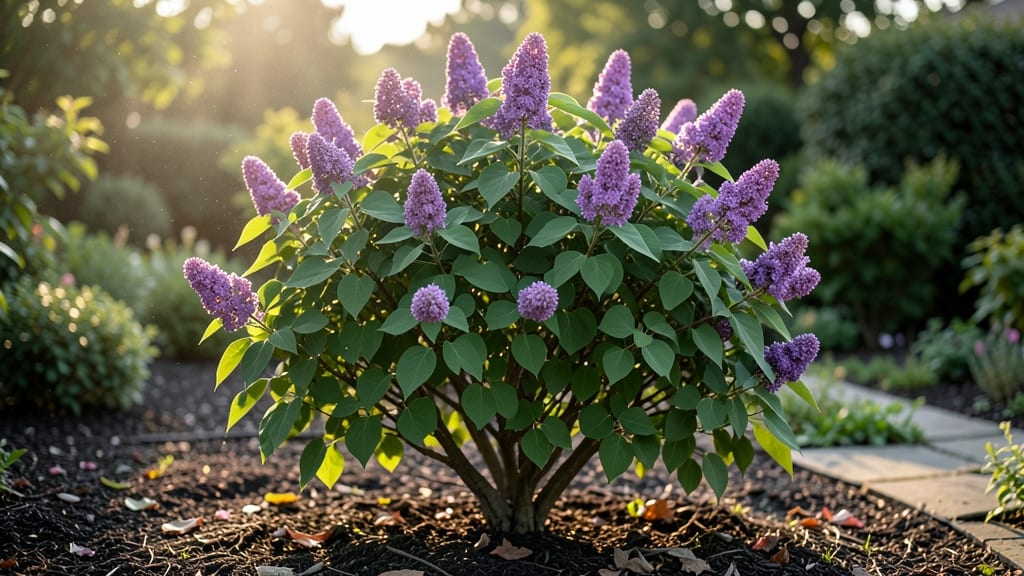
Your lilac bush bloom time depends entirely on your zone and variety—but here's the secret: most bloom between late April and early June, with some late varieties stretching into July. ✨ I've tracked my own lilacs for years, and the timing always comes down to two things: when the buds swell in spring and whether last winter's chill was deep enough to break dormancy.
In USDA Zones 3-5, expect blooms around Mother's Day, while Zones 6-7 see them peak in early May. Southern gardeners in Zones 8-9 might get a second flush in fall, though that's rare.
The key is watching those fat buds swell—once they're golf-ball sized, blooms are just 10-14 days away.
Sunlight and pruning make all the difference. Full sun (6+ hours daily) pushes blooms earlier, while shade delays them. Prune right after flowering to avoid cutting next year's buds—and never prune in fall, or you'll sacrifice next spring's show.
For longer blooms, choose late varieties like 'Miss Kim' or 'Dwarf Korean'—they flower later and often rebloom. Even in my Zone 5 garden, these hold onto their fragrance for 2-3 weeks instead of the usual 10 days. The secret? Proper pruning and consistent watering during bud formation.
📚 In This Guide
- What you need
- Instructions
- Tips and common mistakes
- Wrapping up and next steps
What you need
- ● Lilac bushes: 1–3 plants (depending on desired coverage; spacing: 6–10 feet apart for full-grown bushes).
- ● Choose varieties suited to your USDA Hardiness Zone (e.g., Syringa vulgaris for Zones 3–7, Syringa meyeri for Zones 3–8).
- ● Well-draining soil: Amend heavy clay with compost (1–2 bags, 40–60 lbs each) or sand (5–10 cubic feet).
- ● Fertilizer: Balanced 10-10-10 NPK fertilizer (1–2 lbs per bush) or rose & shrub fertilizer (follow package rates).
- ● Organic option: Composted manure or fish emulsion (1–2 gallons per bush).
- ● Mulch: 2–3 inches of wood chips or pine straw (1–2 cubic yards for a 10’x10’ area).
- ● Watering supplies: Garden hose with adjustable nozzle or drip irrigation system.
- ● Watering can (5-gallon capacity) for container lilacs.
- ● Pruning tools: Bypass pruners (for clean cuts on stems up to ½ inch thick).
- ● Loppers (for thicker branches, 1–2 inches).
- ● Pruning saw (for large, woody stems).
- ● Disinfectant (rubbing alcohol or 10% bleach solution) to sterilize tools between cuts.
- ● Gloves: Heavy-duty gardening gloves (to protect hands from thorns and sap).
- ○ Staking (optional): 3–4 bamboo stakes + twine (for newly planted lilacs in windy areas).
- ● Soil test kit (to check pH; lilacs prefer 6.0–7.0; adjust with lime or sulfur if needed).
- ● Slow-release fertilizer spikes (for convenience; 1–2 per bush).
- ● Plant food spray (e.g., seaweed extract) to boost bloom health during the growing season.
- ● Bird netting (to protect blooms from hungry critters).
- ● Garden journal (to track bloom times, pruning dates, and variety notes!).
Understanding lilac bloom timelines for your garden
Here's how to predict when your lilacs will burst into fragrance—down to the week—based on your zone and variety.
🌱 Step 1: Identify Your Lilac Variety and Hardiness Zone
Lilacs bloom at different times depending on their species and your climate zone. Common varieties like 'Katherine Havemeyer' and 'Mme. Lemoine' typically bloom in late April to early May in Zones 4-7, while later bloomers like 'President Lincoln' wait until mid-May. Check your lilac's tag or consult a local nursery guide to confirm its variety—this determines your bloom window.
Your USDA hardiness zone also shifts bloom timing. In Zones 3-4, lilacs often bloom 2-3 weeks earlier than in Zones 7-8 due to colder winters breaking dormancy sooner. If you're unsure of your zone, use the USDA Plant Hardiness Zone Map to pinpoint your location.
☀️ Step 2: Track Temperature Cues for Bloom Trigger
Lilacs need consistent daytime temperatures above 50°F for at least 5-7 days to trigger blooming. Watch for buds forming in late winter—these will swell and turn pink or purple as temperatures rise. I mark my calendar when the buds reach pea size (about ½ inch long
Cold snaps after buds form can delay blooming. If temperatures drop below 32°F after buds appear, wrap young bushes with frost cloth until danger passes. Mature lilacs handle frost better, but new growth is vulnerable. Watch for frost warnings and protect your lilacs until buds fully open. Lilacs bloom after their winter dormancy ends, so your last frost date is key. In most regions, lilacs bloom 4-6 weeks after the last frost. For example, if your last frost is April 15, expect blooms around mid-May. Adjust this timeline by 1-2 weeks earlier in warmer Zones 8-9 or 1-2 weeks later in cooler Zones 3-4. Use a local gardening app or your weather service to track frost dates. I set reminders for 6 weeks before my expected bloom time to start monitoring buds closely. This helps me anticipate when to prune spent blooms and fertilize for next year's flowers. Lilac buds go through distinct stages before blooming. First, they swell slightly in early spring, then turn green as growth resumes. When buds are ½ inch long and firm to the touch, they'll bloom in 7-10 days. I check buds weekly at this stage—if they soften and turn pink or purple, blooming is imminent. Watch for the first flower opening on a branch. This is your signal that peak bloom will arrive in 3-5 days. Lilacs bloom from the bottom up, so the first flowers to open will be at the base of the cluster. Once 20% of buds are open, you're in the prime fragrance window—enjoy the scent before it fades. After lilacs finish blooming, prune spent flower clusters to encourage next year's blooms. Cut back to the first set of healthy leaves below the faded flowers—this prevents seed formation and redirects energy to new buds. I prune within 2 weeks after blooming to avoid cutting off next year's flower buds. Fertilize lightly with 10-10-10 granular fertilizer after pruning to support new growth. Water deeply at the base to encourage root development. Lilacs are drought-tolerant once established, but consistent moisture during their first growing season ensures strong blooms next year.⏰ Step 3: Count Back from Last Frost Date
🌿 Step 4: Observe Bud Development Stages
✂️ Step 5: Plan for Post-Bloom Care
Tips & tricks for predicting lilac bloom time
Timing is everything when it comes to lilac blooms—here's how to get it right every season.
Variety Matters: Don't assume all lilacs bloom at the same time! Early bloomers like 'Katherine Havemeyer' typically appear in late April to early May, while varieties like 'President Lincoln' wait until mid-May. I always check my plant tags or consult my local nursery guide to confirm the exact variety—this tells me exactly when to expect that signature fragrance.
Temperature is Your Best Friend: Those consistent daytime temperatures above 50°F for 5-7 days are non-negotiable for triggering blooms. I set up a simple outdoor thermometer near my lilacs and mark my calendar when we hit that threshold. Pro tip: If you're in Zone 3-4, your lilacs might bloom 2-3 weeks earlier than those in Zones 7-8—colder winters actually help break dormancy sooner.
Bud Development Stages: The ½-inch bud stage is your golden window—when buds reach pea size, blooming will occur in 7-10 days. I check my buds weekly starting in early spring, looking for that firm, green swelling. Once they soften and turn pink or purple, I know peak bloom is just days away. This visual cue saves me from guessing games every year.
Frost Protection Strategy: If temperatures drop below 32°F after buds form, act fast! I keep frost cloth on hand and drape it over young bushes immediately. Mature plants handle frost better, but new growth is always vulnerable. I also set up my weather alerts for frost warnings so I'm never caught off guard during that critical bud stage.
Pro Tips for Lilac Bush Bloom Time
- Timing is everything when it comes to lilac blooms—here's how to get it right every season.
- Variety Matters: Don't assume all lilacs bloom at the same time!
- Temperature is Your Best Friend: Those consistent daytime temperatures above 50°F for 5-7 days are non-negotiable for triggering blooms.
Frequently asked questions
Got questions about lilac bush bloom time? You’re not alone! Here are the answers to the most common queries to help you plan your garden’s fragrance-filled moments.
When do lilacs typically bloom, and how long does it last?
Most lilacs bloom in late spring (April to early May in most U.S. zones), with flowers lasting 1–2 weeks. Early varieties (like ‘Nancy Karrass’) may bloom as early as March, while late bloomers (like ‘Miss Alice Hooper’) can linger into June. Cold snaps can delay blooms, so monitor your local frost dates!
Does bloom time vary by USDA hardiness zone?
Yes! Lilacs in zones 3–7 bloom earlier (March–April), while those in zones 8–9 may wait until April–May due to milder winters. Coastal areas often see delayed blooms due to cooler ocean breezes. Check your zone and variety—some, like ‘Katherine Havemeyer’, thrive in heat and bloom reliably in the South.
Why did my lilac bush bloom late (or not at all) this year?
Late or skipped blooms often stem from over-pruning in late winter (cut back after blooms fade!), nutrient deficiency (feed with high-phosphorus fertilizer in early spring), or stress (drought, poor drainage, or transplant shock). If your bush has no buds, it might be too young (3–5 years old) or struggling with disease (like powdery mildew). Give it patience and proper care!
Can I extend my lilac’s bloom time?
While you can’t stretch blooms indefinitely, you can encourage longer displays by:
- Planting multiple varieties with staggered bloom times (e.g., early + late types).
- Avoiding heavy pruning until after blooming to preserve next year’s buds.
- Watering deeply during droughts and mulching to retain moisture.
- Choosing reblooming cultivars like ‘Miss Canada’ or ‘Bloomerang’, which may produce a second flush of flowers.
What’s the best lilac variety for a short bloom season (like Alaska or the Midwest)?
For cooler climates with brief springs, opt for hardy, early-blooming varieties like:
- ‘Dwarf Korean’ (compact, blooms May–June).
- ‘Hattie Carthan’ (fragrant, reliable in zones 3–7).
- ‘Siberia’ (tolerates late frosts, blooms May–June).
Wrapping up and next steps
Now that you’re armed with the perfect timeline for your lilac bush’s bloom—whether you’re in Zone 3 or 9—you’re ready to embrace the sweetest part of spring! 🌸 From early bloomers like Katherine Havemeyer to late-season stars like Miss Canada, each variety brings its own burst of color and fragrance. Plant with confidence, prune wisely, and soon your garden will be a fragrant paradise.
💡 Next step: Mark your calendar, grab some gloves, and get ready to enhance your garden’s beauty—your lilacs won’t disappoint!