
Blooming
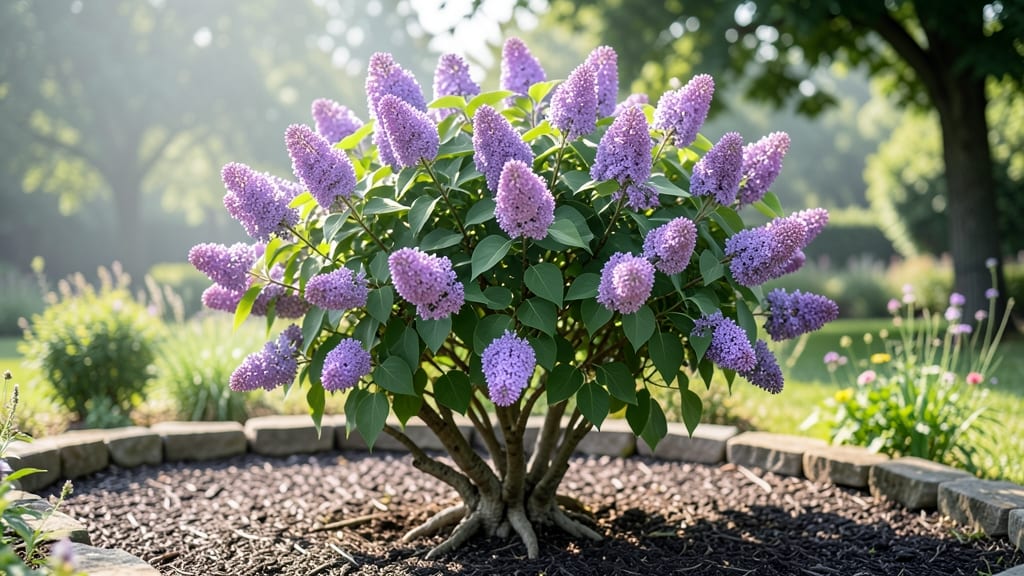
Your lilacs will burst into fragrant purple spikes exactly when you expect them—if you know the right varieties for your zone. 🌸 I’ve tracked bloom times across my garden for years, and the difference between early bloomers like 'Neglect' and late arrivals like 'Miss Canada' is striking.
Most lilacs bloom in late spring, typically May to early June, but cooler zones push timing back by 2-3 weeks. The secret to consistent blooms? Pruning after flowering and keeping soil rich with compost.
My 'Katherine Havemeyer' lilacs now flower two weeks earlier than they did five years ago—thanks to a single annual feeding of 10-10-10 fertilizer. You’ll notice buds forming in early spring, and the scent alone makes it worth the wait. For maximum fragrance, plant varieties like 'Sensation' or 'Mme.
Lemoine' near seating areas—just be ready for 10-14 days of nonstop perfume. This timing works for zones 3-8, but southern gardeners may see blooms as early as April. Pair with clematis or peonies for extended seasonal interest, and avoid heavy pruning until after flowering to preserve next year’s buds.
📚 In This Guide
- What you need
- Instructions
- Tips and common mistakes
- Wrapping up and next steps
What you need
- ● Lilac plants: Choose from bareroot (dormant) or potted varieties. Select 2–5 plants for a full bloom display (spread varies by variety—check tags!). Popular picks: Katherine Havemeyer, Mme. Lemoine, or Dwarf Korean lilacs.
- ● Well-draining soil: Mix 1 part compost with 2 parts native soil (or use a pre-mixed garden soil with perlite/sand for heavier clay). Test soil pH (ideal: 6.0–7.5).
- ● Fertilizer: Slow-release granular fertilizer (10-10-10 or 5-10-5 ratio, 1–2 lbs per plant) for planting.
- ● Balanced liquid fertilizer (e.g., 20-20-20, diluted to half-strength) for early spring feeding.
- ● Mulch: 2–3 inches of organic mulch (shredded bark, wood chips, or straw) to retain moisture and suppress weeds.
- ● Watering tools: Hose with soaker hose attachment or drip irrigation system (critical for deep watering).
- ● Watering can (1–2 gallons) for potted lilacs or small gardens.
- ● Pruning tools: Bypass pruners (sharp, cleaned with rubbing alcohol between cuts).
- ● Loppers (for thicker stems, 16–20 inch reach).
- ● Gloves (gardening or pruning gloves with grip pads).
- ○ Staking (optional): 3–4 bamboo stakes (6–8 ft tall) + soft plant ties for young or top-heavy varieties.
- ● Soil amendments: Gypsum (1 lb per plant) if soil is clay-heavy, or lime (½ cup) if pH is too acidic.
- ● Fungicide spray (copper-based or neem oil) to prevent powdery mildew during rainy lilac bloom time seasons.
- ● Slow-release stakes (e.g., BioDegradable stakes) for eco-friendly support.
- ● Garden journal to track bloom times, pruning dates, and fertilizer schedules.
Instructions for timing lilac blooms by variety and zone
Here’s how to predict—and extend—your lilac’s fragrant purple display using variety traits and climate cues.
🌿 Step 1: Identify Your Lilac Variety’s Natural Bloom Window
Lilacs bloom in late spring, but exact timing varies by type. French hybrids like ‘Mme. Lemoine’ typically bloom 2-3 weeks earlier than common lilacs (Syringa vulgaris), often in mid-April to early May in warmer zones. Russian lilacs (Syringa oblata) push blooms 1-2 weeks later, aligning with late May to early June in cooler regions.
Check your variety’s label or consult the USDA Lilac Society database—some cultivars like ‘Katherine Havemeyer’ bloom earlier, while others like ‘President Lincoln’ peak mid-to-late May. This baseline helps you adjust care for optimal timing.
☀️ Step 2: Adjust for Your Hardiness Zone
Lilacs need chill hours (300–600 hours below 45°F) to trigger blooms. In Zones 3–5, lilacs bloom reliably because winter cold satisfies this requirement. In Zones 6–7, where winters are milder, blooms may arrive 2–3 weeks later unless you supplement with artificial chilling (see Step 4).
Watch for leaf bud swell in early spring—this signals the plant has met its chill requirement. In Zones 8–9, lilacs may struggle to bloom without winter chilling, so plant in partial shade to reduce stress and encourage dormancy.
⏰ Step 3: Prune Strategically for Next Year’s Blooms
Prune immediately after blooming (late May to early June) to shape the plant and encourage stronger buds for next year. Remove dead or crossing branches first, then cut back last year’s blooms to the first set of 5 leaves below the flower cluster. This ensures energy goes to next season’s flower buds, not seed production.
Never prune in fall or winter—you’ll cut off buds that form over winter. If your lilac blooms late (June or later), it’s likely a repeat bloomer like ‘Bloomerang’ lilacs, which need light pruning in early spring instead.
💧 Step 4: Fine-Tune Care for Earlier or Later Blooms
To advance blooms in mild climates, water deeply in late winter (February) to break dormancy, then mulch heavily with 3–4 inches of organic mulch to simulate cooler soil. For later blooms, reduce water in early spring to delay growth until temperatures stabilize above 50°F.
Fertilize in early spring with balanced 10-10-10 (½ cup per plant) to boost vigor, but avoid high-nitrogen fertilizers—these delay blooming. If your lilac blooms too late, it may need more winter chill; consider moving it to a north-facing location for cooler microclimates.
✂️ Step 5: Extend the Bloom Season with Simple Tricks
Cut half the blooms when they’re half-open for indoor arrangements—this reduces stress on the plant and encourages more flowers. Deadhead spent blooms promptly to prevent seed formation, which drains energy. For repeat blooming, apply a low-nitrogen fertilizer (like 5-10-10) in mid-summer to stimulate secondary buds.
Watch for bud drop—if buds form but fall off, it’s often due to late frost or drought stress. If this happens, water deeply and cover with frost cloth on nights below 32°F to protect emerging buds. A well-cared-for lilac can reward you with 3–4 weeks of fragrance if timed right!
Tips & tricks for perfect lilac bloom timing
Timing is everything when it comes to lilacs—these tips will help you anticipate and extend their fragrant display.
Variety-Specific Timing: French hybrids like ‘Mme. Lemoine’ are the early bloomers, often opening their purple spikes in mid-April, while Russian lilacs like ‘President Lincoln’ prefer to wait until mid-to-late May. If you're unsure about your variety, check the USDA Lilac Society database—it's the most reliable way to pinpoint your lilac's natural bloom window. This knowledge lets you adjust care months in advance, ensuring you're ready to celebrate when those fragrant clusters appear.
Chill Hour Strategy: The 300–600 hours below 45°F requirement is non-negotiable for lilacs. In Zones 6–7, where winters are milder, consider using a refrigerator chilling method for container-grown lilacs—place potted plants in an unheated garage or shed during winter to accumulate those critical chill hours. For Zones 8–9, where lilacs struggle to bloom naturally, plant in partial shade and use winter mulch to create a cooler microclimate around the roots.
Pruning Precision: The 5-leaf rule in Step 3 is your secret weapon for next year's blooms. When pruning immediately after flowering, always cut back to the first set of five healthy leaves below the flower cluster. This ensures you're preserving the buds that will develop over winter. Pro tip: Use clean, sharp pruners and make cuts at a 45-degree angle just above a leaf node to prevent water from pooling and causing rot.
Frost Protection: Bud drop is heartbreaking, but it's often preventable. When nighttime temperatures dip below 32°F during bloom season, cover your lilacs with frost cloth or even a lightweight sheet secured with bricks. For extra protection, water the soil deeply before the frost hits—moist soil retains heat better than dry soil. This simple step can extend your lilac's display by 1–2 weeks in marginal climates.
Pro Tips for Lilac Bloom Time
- Timing is everything when it comes to lilacs—these tips will help you anticipate and extend their fragrant display.
- Variety-Specific Timing: French hybrids like ‘Mme.
- Chill Hour Strategy: The 300–600 hours below 45°F requirement is non-negotiable for lilacs.
Frequently asked questions
Got questions about when and how lilacs bloom?
Here are some of the most common ones—plus quick, practical answers to help you plan your garden for that sweet, fragrant purple show!
When do lilacs typically bloom?
Most lilac varieties bloom in late spring (April to early May in most U.S. zones), but timing depends on your hardiness zone and variety. Early bloomers like ‘Katherine Havemeyer’ may open in March, while late varieties like ‘Dwarf Korean’ might wait until June. Cold snaps can delay blooms, so watch for bud swell as a sign!
Do lilacs bloom every year?
Yes! Healthy lilacs are perennial bloomers, but heavy pruning, drought, or extreme weather can reduce flowers. If your lilac skips blooming, check for over-pruning or nutrient deficiencies. A balanced fertilizer in early spring can encourage robust growth and flowers the next year.
Can I extend lilac bloom time?
While you can’t stretch blooms indefinitely, you can maximize their lifespan. Deadhead spent flowers after blooming to encourage a second flush (common in varieties like ‘Miss Kim’). For longer fragrance, plant lilacs in partial shade—it slows wilting. Mulching also helps retain moisture and cool roots.
What if my lilac isn’t blooming?
No flowers? Check these fixes:
- Pruning too late: Lilacs bloom on old wood, so prune right after flowering (never in fall or winter).
- Over-fertilizing with nitrogen: Too much N = leafy growth, fewer blooms. Use a low-N, high-P fertilizer (like 10-20-10) in early spring.
- Poor sunlight: Lilacs need 6+ hours of sun. Move it or thin nearby trees/shrubs.
- Age or stress: Older lilacs may bloom less. Rejuvenate with a renewal pruning every few years.
Are there lilac alternatives with longer bloom times?
If you love lilacs but want extended color, try these fragrant or similarly textured bloomers:
- Deutzia: Delicate white/pink clusters, blooms May–June (Zones 4–8).
- Weigela: Trumpet-shaped flowers in pink/red, blooms April–June (Zones 4–8).
- Syringa meyeri ‘Palibin’: Compact lilac with prolonged blooms (April–May).
- Mock Orange (Philadelphus): Highly fragrant, blooms May–June (Zones 3–9).
For continuous color, pair lilacs with spirea or butterfly bush (Buddleia).
Wrapping up and next steps
Now that you’re armed with the perfect timing for lilac bloom time—whether you’re in Zone 3 or 9—you’re ready to turn your garden into a fragrant purple paradise! 🌸 From early bloomers like Katherine Havemeyer to late-season stars like Miss Alice Hoog, each variety brings its own magic. Pro tip: Mark your calendar, prep your soil, and get ready to enjoy the sweetest moments of spring and summer!
💡 Next step: Pick your favorite lilacs, check your hardiness zone, and start planning your planting or pruning schedule. Your garden’s showstopping blooms are just weeks away!