
Shrubs
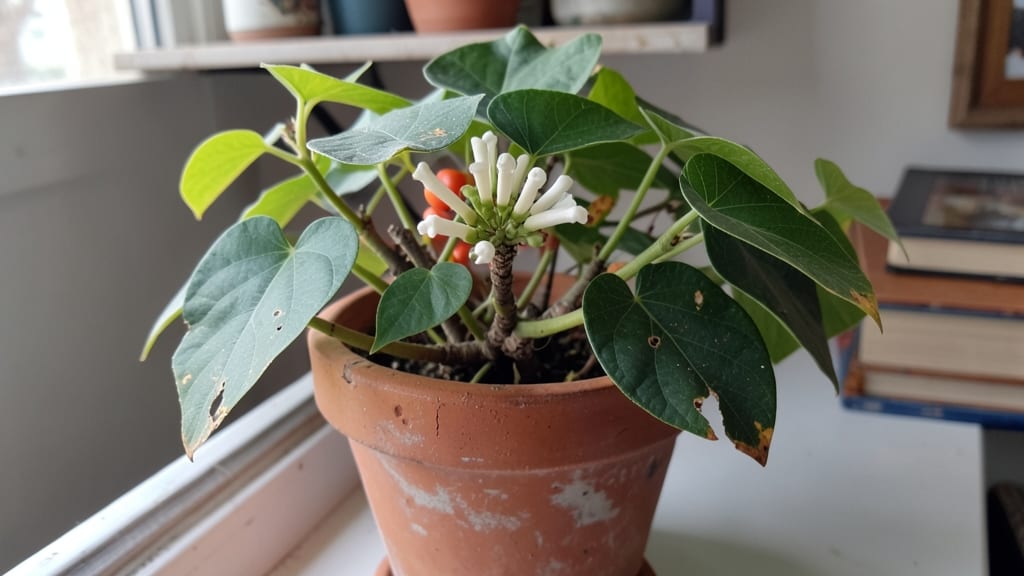
Growing a light bulb clerodendrum 🌸 means adding a showstopper to your garden that blooms like tiny lanterns and fills the air with sweet fragrance.
Imagine a shrub whose flowers look like glowing light bulbs—this isn’t sci-fi, it’s the light bulb clerodendrum, a fast-growing tropical plant that turns heads with its unique, lantern-like blooms and fragrant foliage.
Whether you're a seasoned gardener or a beginner eager to add drama to your outdoor space, this plant delivers both beauty and resilience with minimal fuss.
In USDA Zone 6a, planting your clerodendrum in spring (April–May) sets it up for 3–10 feet of lush growth, but the real magic happens when you nail its care—think partial shade, well-draining soil, and just the right amount of water.
Skip the guesswork, and you’ll be rewarded with clusters of glowing flowers that last all summer.
Here’s how to turn your garden into a fragrant, flower-filled stage—from picking the perfect spot to keeping pests at bay—so your clerodendrum thrives with minimal effort and maximum impact.


How to identify and grow light bulb clerodendrum in your garden
The light bulb clerodendrum (Clerodendrum trichotomum) is a stunning shrub with lantern-shaped flowers that resemble glowing light bulbs—hence its name. This fast-growing tropical plant thrives in warm climates and adds a dramatic touch to gardens with its fragrant foliage and vibrant blooms.
If you're ready to grow this eye-catching shrub, start by identifying its unique features and creating the perfect growing conditions.
One of the first things you’ll notice about this plant is its distinctive flower clusters, which form at the ends of branches. Each cluster contains white to pink tubular flowers surrounded by bright green bracts, creating a bulb-like appearance.
The leaves are also a giveaway—large, glossy, and heart-shaped, with a lemony scent when crushed. These botanical traits make it easy to spot in nurseries or gardens.
Before planting, check your USDA hardiness zones—light bulb clerodendrum prefers zones 7-11, meaning it thrives in warm, humid climates but can be grown as a container plant in cooler regions.
If you live in a colder zone, bring it indoors during winter or grow it in a sunroom or greenhouse to protect it from frost. This adaptability makes it a versatile choice for gardeners in various climates.
| Trait | Details |
|---|---|
| Botanical Name | Clerodendrum trichotomum |
| Common Name | Light Bulb Clerodendrum |
| Mature Size | 6-10 feet tall |
| Flower Color | White to pink tubular blooms |
| Sunlight Needs | Partial shade (4-6 hours/day) |
| Soil Type | Well-draining, slightly acidic |
| Water Needs | Medium (keep soil moist) |
| Hardiness Zones | 7-11 (or container-grown) |
| Growth Rate | Fast-growing (1-2 ft/year) |
To grow a healthy light bulb clerodendrum, start by selecting a sunny spot with partial shade—this plant tolerates 4-6 hours of direct sunlight daily but can scorch in intense afternoon heat.
If you're planting outdoors, choose a location with morning sun and afternoon shade, especially in hotter climates. For container gardening, place your pot near an east-facing window or under a dappled shade tree to mimic its natural light preferences.
The soil is another critical factor—this shrub thrives in well-draining, slightly acidic soil with a pH of 5.5-6.5. Amend heavy or clay soil with compost or peat moss to improve drainage and aeration.
If you're planting in a container, use a potting mix blended with perlite or sand to prevent root rot. Avoid soggy soil, as waterlogged roots can lead to yellowing leaves or stunted growth, two common issues for new growers.
When planting, dig a hole twice as wide as the root ball but only as deep as the container’s base. Gently remove the plant from its pot, loosen the roots if they’re circling, and place it in the hole.
Backfill with soil, water thoroughly, and add a 2-inch layer of mulch around the base to retain moisture and regulate soil temperature. Space multiple plants 3-5 feet apart to allow for their mature size of 6-10 feet tall and wide.
If you're propagating from stem cuttings, take 4-6 inch sections from healthy, non-flowering branches in spring or early summer. Remove the lower leaves, dip the cut end in rooting hormone, and plant in a moist potting mix.
Keep the soil consistently moist and place the cutting in a warm, shaded spot until roots form, which typically takes 4-6 weeks. This method is ideal for expanding your collection or replacing older plants.
Watch for pests like aphids or spider mites, which can stress your plant and cause yellowing leaves or drooping foliage. Treat infestations early with neem oil or insecticidal soap, and prune affected branches to encourage new growth.
Overwatering is another pitfall—wilting leaves or mushy stems signal root rot, so always ensure excess water drains away from the plant’s base. With the right care, your light bulb clerodendrum will reward you with vibrant blooms and fragrant foliage for years to come.
For optimal flowering, feed your plant with a balanced fertilizer (like 10-10-10) every 4-6 weeks during the growing season (spring to fall). Reduce feeding in winter when growth slows.
Prune lightly after flowering to shape the shrub and encourage denser foliage. With these steps, you’ll enjoy a stunning, low-maintenance addition to your garden that’s sure to impress!
🌸
Top 5 care tips to keep your light bulb clerodendrum thriving year-round
The light bulb clerodendrum is a stunning tropical shrub that rewards gardeners with its lantern-shaped flowers and fragrant foliage—but only if you provide the right care. Unlike high-maintenance plants, this beauty thrives with simple, consistent attention.
The key lies in balancing watering, pruning, and seasonal adjustments to prevent common pitfalls like root rot or leggy growth. Let’s dive into my top 5 care tips to keep yours flourishing for years.
One of the biggest mistakes I see is overwatering—this plant hates soggy roots. Another common issue is skipping pruning, which leads to a messy, unkempt shrub. Even experienced gardeners sometimes struggle with fertilizer timing, which can stunt blooms if done incorrectly.
By mastering these five essentials, you’ll ensure your clerodendrum stays lush, blooms prolifically, and resists pests and diseases. Let’s get started!
- 💧 Water wisely: Soak the soil until water drains freely, then let it dry slightly between waterings. Morning watering prevents fungal issues.
- ✂️ Prune strategically: Trim back 1/3 of growth after flowering to encourage bushier, more vibrant blooms next season.
- 🌱 Fertilize seasonally: Use a balanced 10-10-10 fertilizer every 4-6 weeks during spring and summer, but skip winter feeding.
- ☀️ Adjust for seasons: Move pots indoors if temperatures drop below 50°F—this plant is tender and won’t tolerate frost.
- 🌬️ Protect from harsh winds: Plant in a sheltered spot to prevent leaf scorch or broken branches.
Let’s tackle watering first—this is where many gardeners go wrong. Your clerodendrum prefers well-draining soil and moderate moisture. Stick your finger an inch into the soil; if it’s dry, it’s time to water. Overwatering leads to root rot, while underwatering causes drooping leaves.
I recommend using a moisture meter for accuracy, especially in containers, where soil dries out faster. Mulching around the base helps retain moisture and keeps roots cool.
Pruning might seem intimidating, but it’s simple once you know the right time. After your plant finishes flowering, use clean, sharp shears to trim back one-third of the growth. This encourages denser foliage and more vibrant blooms next season.
Always prune just above a leaf node to avoid leaving stubs. I also recommend removing any dead or diseased branches immediately—they can spread problems to healthy parts of the plant.
Fertilizing is another area where timing matters. During spring and summer, feed your clerodendrum every 4-6 weeks with a balanced fertilizer. In fall and winter, reduce feeding to once every 8-12 weeks or skip it entirely.
Too much fertilizer in cooler months can lead to leaf burn or weak growth. I swear by a slow-release granular fertilizer for steady nutrition without the risk of overfeeding.
Seasonal adjustments are critical for year-round success. If you’re in a cooler climate, bring potted clerodendrums indoors before temperatures drop below 50°F. Place them near a bright, indirect light source and reduce watering slightly. In hot summers, provide afternoon shade to prevent leaf scorch.
I’ve seen this plant thrive in USDA zones 9-11, but with a little extra care, you can grow it in zones 8 and below as a container plant.
Finally, protect your clerodendrum from harsh winds and direct blasts of cold air. Plant it near a fence or wall to create a natural windbreak. If you notice yellowing leaves or stunted growth, it might be a sign of environmental stress.
Adjust its location or add a protective barrier if needed. With these tips, your light bulb clerodendrum will reward you with stunning blooms and fragrant foliage all year long!