
Blooming
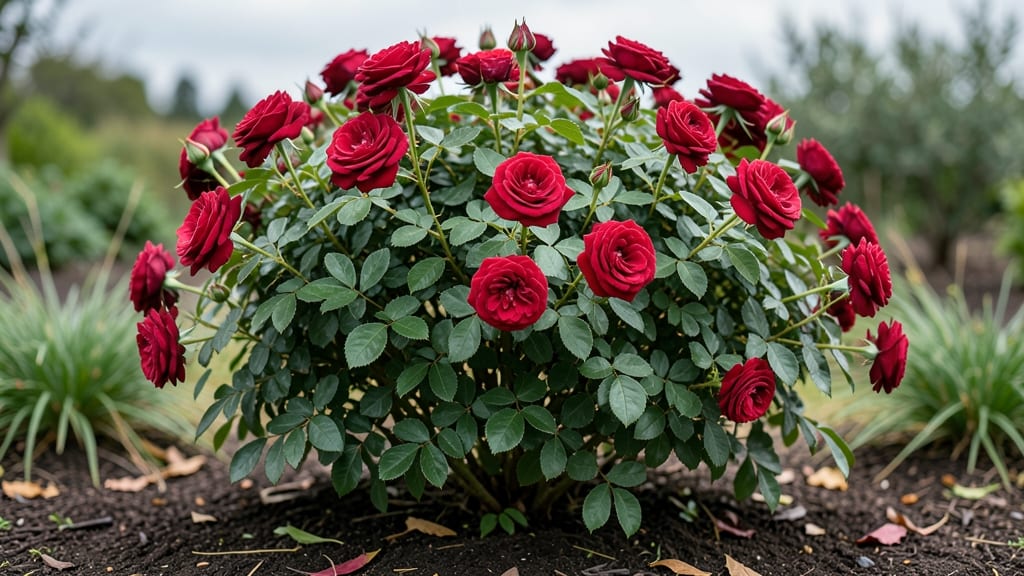
The Knockout Roses bloom cycle is what turns a spring burst of color into a summer-long show — but only if you know the right tricks for your heat zone.
If your 🌹 Knockout Roses are blooming once and then fading into green foliage, you’re missing the secret to their legendary continuous rebloom potential — especially when tailored to your heat zone. These shrubs are designed to keep flowering, but only with the right care.
Understanding their natural bloom stages — from bud formation to dormancy — helps you time pruning, feeding, and watering for maximum impact. In Zone 6a, for example, early spring pruning sets the stage for a June-to-October display, while hotter zones may need extra attention to avoid heat stress.
Below, you’ll discover how to trigger reblooms, troubleshoot common issues, and keep your Knockout Roses looking their best all season long — no guesswork required.
Knockout roses bloom cycle stages: what to expect in each season
Knockout roses are famous for their continuous blooms, but their seasonal rhythm follows a predictable 4-stage cycle. Whether you're in Zone 4 or Zone 10, understanding these stages helps you anticipate blooms and avoid common mistakes that stunt reblooming.
Let’s break down what to expect each season—and how your heat zone shapes the timing.
First, bud formation begins in early spring, triggered by warming temperatures. In cooler zones (3-6), buds swell by late April, while in warmer zones (7-10), they appear as early as February.
Look for swollen buds with color hints—this is your cue to prepare for peak bloom. Miss this stage, and you might skip the next phase entirely.
Here’s a quick reference for the 4-stage bloom cycle, including heat-zone adjustments and visual cues:
| Stage | Heat Zone 3-6 | Heat Zone 7-10 | Visual Cues | Action |
|---|---|---|---|---|
| Bud Formation | Late April–May | February–March | Swollen buds with color | Prune lightly to remove dead wood |
| Peak Bloom | June–July | April–May | Full, vibrant blooms | Deadhead spent blooms weekly |
| Post-Bloom Care | August–September | June–July | Green foliage, few buds | Fertilize with 10-10-10 mix |
| Dormancy | October–April | November–January | Leafless canes | Mulch heavily in Zone 3-6 |
Peak bloom is the star of the show, but timing varies drastically by zone. In Zone 7-10, roses may bloom as early as April, while Zone 3-6 gardeners wait until June. During this stage, deadheading spent blooms is critical—it signals the plant to produce more buds. Skipping this step often leads to a single flush of flowers instead of continuous blooms.
After peak bloom, post-bloom care is where many gardeners go wrong. The plant shifts focus from flowers to foliage and root growth. In hotter zones (8-10), this happens faster, so watering deeply 2-3 times per week keeps roots hydrated.
In cooler zones (3-6), reduce watering slightly to prevent fungal issues. Fertilize lightly with a balanced 10-10-10 mix to support new bud formation.
As temperatures drop, knockout roses enter dormancy, a stage often misunderstood. In Zone 3-6, dormancy lasts from October to April, while Zone 7-10 plants may rest for only 2-3 months.
During dormancy, mulch heavily (3-4 inches) to insulate roots. Avoid pruning—wait until late winter when buds swell. Pruning too early removes next year’s blooms.
One common misstep is over-pruning after dormancy. Knockout roses bloom on new wood, so aggressive cuts in early spring remove potential blooms. Instead, prune lightly in late winter (Zone 3-6) or early winter (Zone 7-10) to shape the plant and remove dead canes.
This encourages stronger reblooming in the next cycle.
Heat zones also affect bloom intensity. In Zone 9-10, roses may bloom year-round with minimal rest, while Zone 4-6 plants need a longer dormancy to recharge. If your roses bloom weakly, check your watering and sunlight.
Knockout roses thrive in full sun (6+ hours), but afternoon shade in hot zones (like Zone 8-10) prevents heat stress.
Pro tip: Use reflective mulch in Zone 9-10 to reduce soil heat, which can scorch roots. In cooler zones, black mulch absorbs warmth to extend the growing season. Both tricks help maintain consistent blooms regardless of your climate.
By aligning your care with these 4 stages and adjusting for your heat zone, you’ll unlock knockout roses’ full reblooming potential. Watch for those first swollen buds in spring—they’re your sign to start the cycle anew! 🌹
How to trigger knockout roses reblooms: pruning, fertilizing, and heat-Zone hacks
Knockout roses are famous for their nonstop blooms, but even these tough shrubs need the right care to keep flowering from spring to frost. The key lies in three strategies: pruning for new growth, feeding for energy, and adjusting for your heat zone.
In Zone 4, for example, you’ll focus on early-season pruning to escape winter dormancy, while Zone 9 gardeners prioritize shade and water during summer heat. Let’s break down the exact steps to extend your bloom season by up to 6 months.
First, understand that knockout roses bloom on new wood, meaning they rely on fresh growth to produce flowers. If you prune at the wrong time or skip fertilizing, your plant will focus on foliage instead of blooms. The good news?
With the right timing and techniques, you can turn a single summer flush into a continuous display from June through October—or even later in warmer climates. Start with pruning in early spring and fertilizing in late spring, then adjust based on your local climate.
- 🌱 Prune in early spring (Zone 3-7) or late winter (Zone 8-10) to remove dead wood and shape for airflow. Cut back 1/3 of old growth to encourage new shoots.
- 💧 Water deeply 2-3x weekly in Zones 4-6 during dry spells, but mulch heavily in Zones 7-10 to retain moisture and cool roots.
- 🌿 Fertilize every 4-6 weeks with balanced 10-10-10 in spring/summer, but switch to low-nitrogen in fall to prep for dormancy.
- ☀️ Provide afternoon shade in Zones 8-10 during peak summer (July-August) to prevent heat stress and bloom drop.
- ✂️ Lightly prune after each bloom cycle to remove spent flowers and encourage new buds on fresh growth.
Let’s start with pruning, the foundation of reblooming. In cooler zones (3-6), prune in late March or early April, right after the last frost but before buds swell. Remove 1/3 of the oldest canes at the base to stimulate new growth from the center.
In warmer zones (7-10), prune in late winter (January-February) to avoid summer heat stress. Always use clean, sharp shears and make cuts at a 45-degree angle just above an outward-facing bud.
Next, fertilizing is critical for sustained blooms. Use a balanced fertilizer (10-10-10) every 4-6 weeks from spring through early summer. For organic options, try compost tea or fish emulsion.
In Zones 8-10, reduce feeding in August to avoid late-season growth that won’t harden off before frost. Pair fertilizing with deep watering to help roots absorb nutrients efficiently.
Heat-zone adjustments make all the difference. In Zones 4-6, focus on morning watering and mulching with straw to protect roots from temperature swings. In Zones 7-10, prioritize afternoon shade (use shade cloth if needed) and daily watering during heatwaves.
A 3-inch layer of mulch in Zone 9 can reduce soil temps by 10°F, preserving bloom energy. Finally, deadhead spent blooms weekly to prevent seed formation and encourage more flowers.
With these techniques, your knockout roses can bloom nonstop from June to frost—or even later in mild winters. The secret is consistency: prune at the right time, feed regularly, and adjust for your climate.
Watch your shrubs transform from one-time bloomers to season-long stars with vibrant, disease-resistant flowers that attract pollinators all season long. 🌿