
Blooming
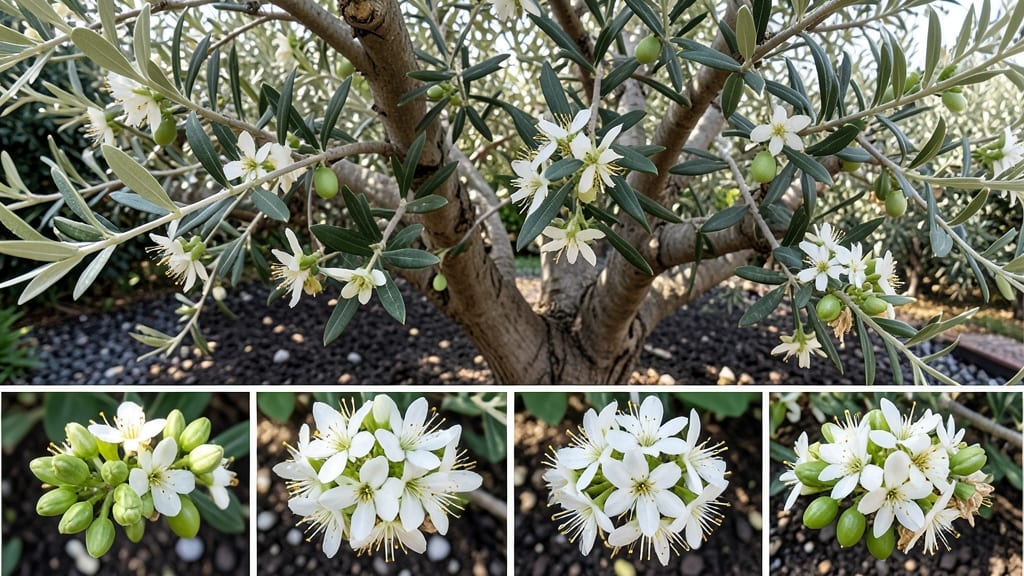
Understanding the olive tree bloom stages 🫒 is the key to unlocking a bountiful harvest year after year, whether you're growing in California’s coastal climate or another Mediterranean-friendly zone.
Picture this: winter’s over, and your olive tree suddenly bursts into tiny white flowers—only to have half of them drop without a trace. That’s a common frustration, but it’s also a sign your tree is following nature’s precise timeline.
Each stage, from bud formation to fruit ripening, demands specific care, and missing the mark can mean fewer olives (or none at all).
In this guide, I’ll walk you through the five distinct phases of blooming, including when to expect each one, what your tree should look like, and how environmental factors like temperature or watering can shift the timeline.
You’ll also learn how to encourage healthy blooms and troubleshoot issues before they derail your harvest.
By the end, you’ll know exactly what to watch for—from the first signs of spring buds to the moment your olives turn purple and ready for picking.
Whether you’re a seasoned gardener or just starting with your olive tree, these insights will help you maximize yield and keep your tree thriving year-round.
The 5 distinct olive tree bloom stages: what to expect each season
Olive trees (Olea europaea) follow a predictable 5-stage bloom cycle, each critical for fruit production. In Mediterranean climates, blooming peaks in late spring, while temperate zones see delayed flowering by 2-4 weeks.
Recognizing these stages helps you adjust care to boost yields—whether you're growing for oil or table olives.
From tiny flower buds to ripe fruit, each phase lasts 2-4 weeks and responds differently to water, pruning, and nutrients. For example, overwatering during flowering can drop buds, while pruning too late may remove next year’s bloom potential. Understanding these cues transforms guesswork into strategic gardening.
📌 Key Visual Clues: Tiny white flowers (stage 2), fuzzy fruit (stage 3), and color shifts from green to purple/black (stage 5). Use these as your seasonal checklist to time interventions like fertilization or pest control.
Stage 1 (bud formation) begins in late winter when tiny green buds appear on branch tips. This is your pruning window—remove dead wood but avoid heavy cuts, as new growth relies on stored energy.
In temperate zones, cold snaps can delay this by 3-4 weeks, so monitor your tree closely.
Stage 2 (flowering) is the most spectacular phase, with fragrant white blooms covering branches for 2-3 weeks. Bees are essential here—plant companion flowers like lavender nearby to attract pollinators. Overwatering now causes bud drop, so let soil dry slightly between waterings.
Stage 3 (fruit set) marks the shift from flowers to tiny green olives. These are highly sensitive to stress—drought or wind can cause premature drop.
Thin fruit to 4-6 inches apart to ensure larger olives. In Mediterranean climates, this stage aligns with May heatwaves, requiring morning watering to prevent stress.
During Stage 4 (growth phase), olives grow rapidly and turn purple. This is when potassium deficiency shows as yellowing leaves—apply a balanced fertilizer (6-6-6) if needed. Young fruit is vulnerable to sunburn, so provide light shade during peak afternoon sun.
Stage 5 (ripening) is your harvest cue: olives darken to black/purple and soften slightly. For table olives, harvest when green-purple; for oil olives, wait until fully black.
Birds love ripe olives—use netting if yields are high. In temperate zones, this stage may extend into December due to cooler temps.
🌱 Pro Tip: Track your tree’s bloom stages with a gardening journal. Note dates for each phase yearly—this helps predict harvest timing and adjust care for next season.
Critical care tips for each olive tree bloom stage
Olive trees thrive when you tailor your care to their bloom stages, each requiring specific adjustments in water, nutrients, and pruning. During bud formation (late winter), focus on balanced fertilization to encourage healthy flower development.
This is also the perfect time to prune dead branches while avoiding heavy cuts that stress the tree.
Once flowering begins (spring), your olive tree needs consistent moisture but avoid overwatering—soggy roots can drown those delicate blooms. Apply a light nitrogen boost to support energy demands, and monitor for pests like olive fruit flies that target flowers.
- 1 Bud Formation (Late Winter): Prune lightly to shape, apply balanced fertilizer (6-6-6 NPK), and reduce watering slightly to harden buds.
- 2 Flowering (Spring): Water deeply every 5–7 days, use light nitrogen, and spray neem oil to deter pests like olive moths.
- 3 Fruit Set (Early Summer): Reduce fertilizer to avoid excess leaf growth, mulch heavily to retain moisture, and prune suckers for better airflow.
- 4 Growth Phase (Summer): Water deeply weekly, avoid heavy pruning, and watch for olive fruit flies—use traps if needed.
- 5 Ripening (Fall): Lightly fertilize with potassium, harvest olives at peak ripeness, and prune for next year’s bloom.
During fruit set (early summer), shift to a low-nitrogen fertilizer to prevent leafy growth at the expense of olives.
This is also when mulching becomes critical—spread 2–3 inches of organic mulch to lock in moisture and regulate soil temperature. Thin out overcrowded fruit if branches sag, ensuring remaining olives get proper nutrients.
As olives enter the growth phase (summer), prioritize deep watering to prevent stress cracks. Avoid pruning now—wait until fall to shape the tree and remove diseased wood. Summer is also prime time for pest monitoring; check for olive fruit flies and treat with kaolin clay if needed.
Finally, when olives ripen in fall, focus on harvesting and light fertilization to prepare for dormancy. Prune selectively to encourage next year’s blooms, and reduce watering gradually to harden the tree before winter. A well-timed potassium boost now enhances fruit quality and cold tolerance.
By aligning your care with each bloom stage, you’ll boost yields and keep your olive tree thriving for decades. Pay attention to seasonal cues—your tree’s needs shift dramatically from bud to fruit! 🫒