
Blooming
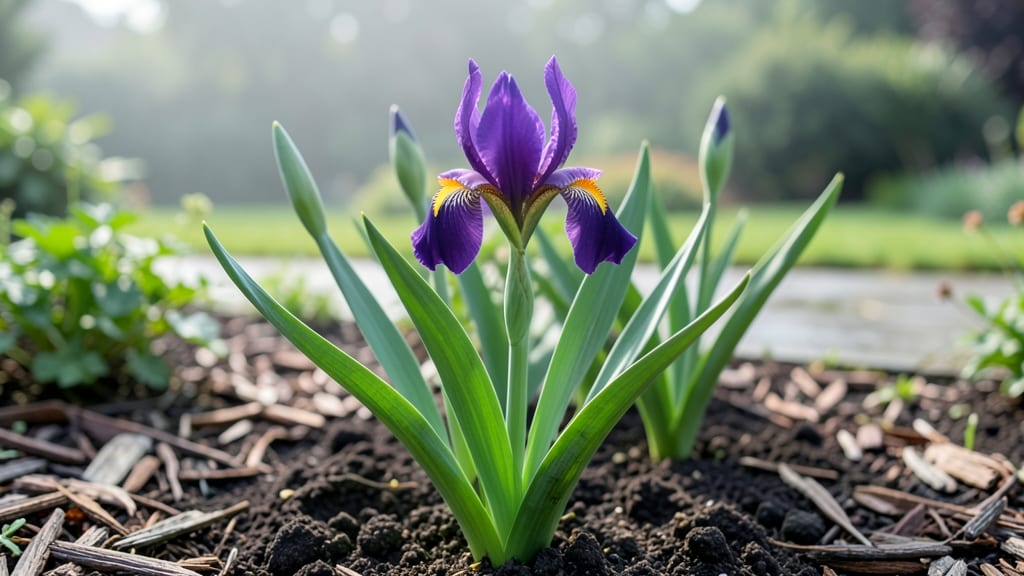
Your iris blooms arrive like clockwork—if you know their secrets. 🌸 The iris flower bloom time shifts dramatically depending on where you live, with early spring bloomers in cold zones and late spring/early summer displays in warmer areas.
My Siberian irises wake up in April, while bearded irises wait until May or June, and that's just the beginning. Climate isn't the only factor—soil moisture, sunlight, and even last year's care affect timing.
Too much nitrogen delays blooms, while proper division and winter mulch can push them forward by weeks. I've seen irises shift their schedule by three weeks just by adjusting watering habits during dormancy.
You'll recognize the moment when those iconic purple spikes emerge—each bloom lasts only a few days, but the show runs for weeks as new buds open. The fragrance alone makes it worth the wait, especially when bees start visiting in earnest.
For zone-specific timing, check your last frost date and adjust care accordingly. Siberian irises often bloom earlier than bearded varieties, while Louisiana irises might wait until summer's heat. The key is patience—these perennials reward consistent care with years of stunning displays.
📚 In This Guide
- What you need
- Instructions
- Tips and common mistakes
- Wrapping up and next steps
What you need
- ● Iris rhizomes or bulbs: Choose healthy, firm rhizomes (for bearded iris) or bulbs (for Dutch iris or other varieties). Quantity: 3–5 per square foot for full coverage.
- ● Well-draining soil: Mix sandy loam with compost (ratio: 2 parts soil, 1 part compost). pH: 6.0–7.0 (iris loves slightly acidic to neutral soil).
- ● Organic mulch: Pine bark fines or gravel (1–2 inches) to retain moisture and deter weeds. Avoid: Fresh wood chips (they can rot rhizomes).
- ● Slow-release fertilizer: 10-10-10 or balanced bulb fertilizer (1 tbsp per plant at planting time).
- ● Garden trowel or hand shovel (for digging rhizomes 4–6 inches deep).
- ● Pruners or sharp shears (to trim dead foliage after blooming).
- ● Garden hose with nozzle (for gentle watering; avoid overhead sprinklers).
- ● Measuring tape or ruler (to space rhizomes 12–24 inches apart).
- ○ Gloves (optional but recommended for handling rhizomes or thorny varieties like Iris germanica).
- ● Sunlight: Full sun (6+ hours/day) for optimal blooming. Heat zones: Iris thrives in USDA Zones 3–9; adjust watering in Zones 8–9 during summer droughts.
- ● Watering schedule: Deep watering 1–2 times per week (reduce in winter). Critical: Never let rhizomes sit in soggy soil.
- ● Bloom time awareness: Most iris varieties bloom in early to mid-spring (March–May), but reblooming varieties may flower again in late summer.
- ● Epsom salt (1 tbsp dissolved in water monthly) for magnesium boost.
- ● Drip irrigation kit for automated, efficient watering.
- ● Stakes or rings to support tall stems (like Iris ensata).
- ● Companion plants: Pair with catmint or salvia for pollinator-friendly gardens.
How to time iris blooms for stunning purple displays
With the right planning, you can count on those iconic purple spikes arriving reliably every year.
🌱 Step 1: Plant Irises at the Right Season for Your Zone
Fall is the ideal time to plant irises in most climates—6-8 weeks before your first hard frost. This gives roots time to establish before winter dormancy. In zones 3-5, aim for mid-September to early October, while zones 6-8 can plant until late October or early November. The key is getting rhizomes in the ground when soil temps drop below 60°F but before freezing.
I dig a hole about 6 inches deep and 12 inches wide, placing the rhizome so the top half remains exposed. This prevents rot while allowing sunlight to warm the growth point. In warmer zones 9-11, plant in late winter (February) when soil is workable but before spring growth begins.
☀️ Step 2: Choose Locations Based on Sun and Heat Requirements
Irises thrive in full sun (6+ hours daily), but their bloom timing shifts with heat exposure. In cool zones (3-5), they often bloom late spring to early summer (May-June) when soil warms. In hot zones (7-11), expect blooms earlier (March-April) as heat triggers flowering. I plant mine where they get morning sun and afternoon shade in hot climates to prevent leaf scorch.
Watch for leaf emergence in early spring—this is your first clue. Healthy foliage should unfurl 3-4 weeks before blooms appear. If leaves appear weak or stunted, your iris may need more sunlight or better-draining soil.
⏰ Step 3: Adjust Care to Fine-Tune Bloom Timing
Water deeply once a week during dormancy (fall/winter) to encourage strong root growth. Once leaves appear in spring, reduce watering to every 10-14 days unless your area experiences prolonged dry spells. Overwatering delays blooms by promoting leafy growth over flower buds.
Fertilize in early spring with a low-nitrogen, high-phosphorus formula (like 5-10-10) to boost bloom production. I avoid fertilizing after mid-June—this can stimulate new growth that won’t harden off before winter, reducing next year’s flower quality.
🌿 Step 4: Prune and Divide for Consistent Bloom Schedules
Cut back yellowed or dead foliage after blooms fade, but leave half the leaves until they turn brown naturally. This stored energy fuels next year’s flowers. I divide clumps every 3-4 years in late summer (August-September) when foliage yellows but before new growth starts. This prevents overcrowding, which delays or reduces blooms.
When dividing, separate rhizomes with fan-like roots attached and replant immediately. The larger the rhizome, the earlier it’ll bloom—2-inch rhizomes typically flower 1-2 years after division, while 3+ inch rhizomes bloom the following spring.
🔍 Step 5: Monitor for Zone-Specific Bloom Shifts
In northern zones (3-5), late frosts can delay blooms by 1-2 weeks. If flowers appear damaged, protect them with frost cloth during late spring freezes. In southern zones (7-11), heat waves can cause buds to open prematurely or drop off. I’ve found that mulching with 2-3 inches of straw in late winter helps moderate soil temps for more reliable blooming.
Keep a garden journal noting bloom dates—this helps you adjust planting times or care routines. Over time, you’ll spot patterns like "my irises bloom 2 weeks earlier after dividing" or "they skip a year when I fertilize too late."
Tips & tricks for perfect iris bloom timing
A few simple adjustments can transform your irises from unpredictable bloomers to reliable purple stars in your garden.
Zone-Specific Planting: The 6-8 week window before your first hard frost is non-negotiable for root establishment. I've learned this the hard way—planting too early means tender roots get fried by summer heat, while planting too late risks winter kill. For zones 3-5, mark your calendar for mid-September to early October, and adjust by about 2 weeks later for each warmer zone. Check your local frost dates annually—they shift with climate changes.
Sunlight Strategy: Those 3-4 weeks between leaf emergence and blooming are your key indicators. If your irises show weak growth, they're screaming for more sunlight. In hot zones, I've found morning sun with afternoon shade prevents leaf scorch while still giving them enough light to develop strong flower buds. A simple way to test: if your irises' leaves look like they've been sunburned (yellow patches), they're getting too much direct afternoon heat.
Watering Wisdom: The once-a-week winter watering is about encouraging root growth without waking up the plant too early. Spring's reduced watering schedule might seem counterintuitive—too much water actually delays blooming by pushing leaf growth over flower development. I use a rain gauge to track exactly 1 inch of water every 10-14 days, and only increase during droughts. The goal is happy roots, not happy leaves.
Division Timing: That late summer division window (August-September) is crucial for maintaining bloom schedules. I've noticed my largest rhizomes (3+ inches) bloom the following spring, while smaller ones take an extra year. When dividing, look for rhizomes with at least 3 fan-like roots—these are your power bloomers. Plant them immediately in well-draining soil with the top half exposed, just like the original planting instructions.
Pro Tips for Iris Flower Bloom Time
- A few simple adjustments can transform your irises from unpredictable bloomers to reliable purple stars in your garden.
- Zone-Specific Planting: The 6-8 week window before your first hard frost is non-negotiable for root establishment.
- Sunlight Strategy: Those 3-4 weeks between leaf emergence and blooming are your key indicators.
Frequently asked questions
about iris bloom times—because even the most patient gardeners need quick answers! Here’s what we hear most often:When do irises typically bloom in my hardiness zone?
Most irises bloom in late spring to early summer (May–June), but timing varies by zone. For example:
- Zones 3–5: Early to mid-May (cooler climates may delay blooms).
- Zones 6–8: Late April–early June (warmer zones bloom earlier).
- Zones 9–10: February–April (winter-blooming varieties like Iris histrioides may appear first).
Why did my iris bloom later (or not at all) this year?
Late or skipped blooms often stem from stress factors like:
- Cold snaps: Early freezes can delay buds. Mulch rhizomes in fall to protect them.
- Water issues: Too much moisture (root rot) or drought stress can halt flowering. Aim for 1 inch of water weekly.
- Heat waves: Extreme heat (above 90°F) may cause buds to drop. Provide afternoon shade if needed.
- Age/overcrowding: Mature rhizomes (over 5 years) or dense clumps may skip blooms. Divide clumps every 3–4 years.
Can I force irises to bloom earlier or later?
While you can’t guarantee a specific bloom time, these tweaks help:
- Earlier blooms: Plant bearded irises in full sun and mulch heavily in winter to warm the soil.
- Later blooms: Choose reblooming varieties (e.g., ‘Immortality’ or ‘Harmony’) or plant in partial shade to delay heat stress.
- Warning: Avoid high-nitrogen fertilizers—they boost foliage but reduce blooms!
What if my iris blooms but has no leaves?
Leafless irises with blooms usually signal root or rhizome damage. Try this:
- Inspect rhizomes: Healthy ones are firm, plump, and tan/brown. Soft, mushy, or hollow rhizomes = rot.
- Adjust watering: Irises hate “wet feet.” Ensure soil drains well (amend with sand or gravel if needed).
- Divide and replant: Dig up the rhizome, trim dead roots, and replant in well-draining soil with the top half exposed.
Are there iris varieties that bloom at different times?
Here’s a quick cheat sheet for staggered blooms:
Bloom Time
Variety
Color
Zone Range
Early Spring (Feb–Mar)
Iris histrioides (Spanish Iris)
Purple, white
5–9
Late Spring (May–June)
Bearded Iris (e.g., ‘Blue Flag’)
Purple, yellow, blue
3–9
Summer (July–Aug)
Reblooming Iris (e.g., ‘Immortality’)
Pink, lavender
4–9
Fall (Sept–Oct)
Iris ensata (Japanese Iris)
Purple, white
4–8
Wrapping up and next steps
Watching your iris flowers burst into vibrant blooms is a rewarding experience—whether you’re in Zone 3 or basking in the heat of Zone 10! 🌸 By understanding their ideal bloom time, soil needs, and sunlight preferences, you’re already on the path to a stunning perennial display. With patience and care, your iris garden will thrive year after year.
Ready to take the next step? Plan your planting schedule based on your zone, and consider adding companion plants like ferns or daylilies to extend your garden’s beauty. Happy gardening! 🌱