
Blooming
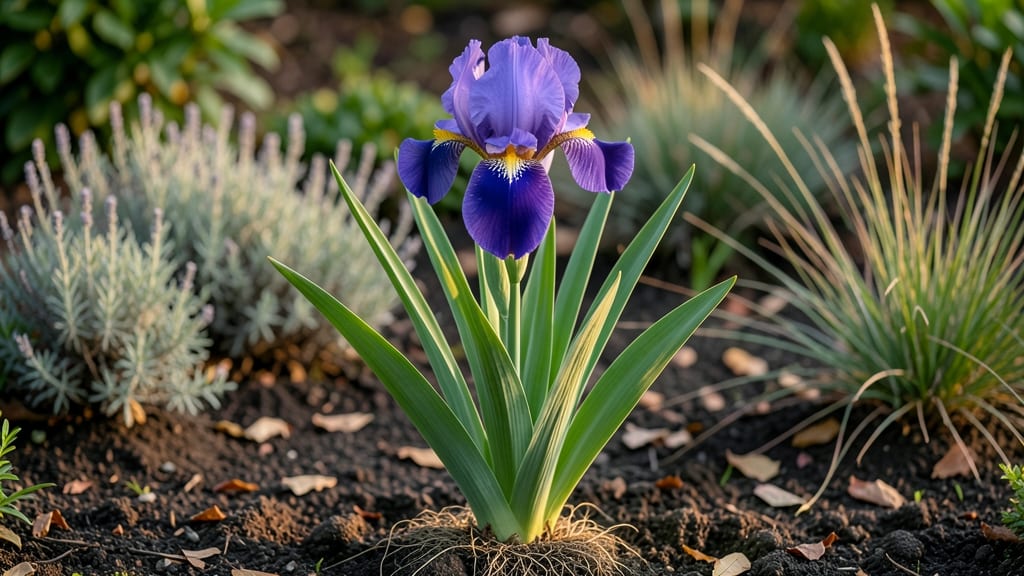
Dutch iris bloom time depends on your climate zone and the variety you’ve chosen, but most burst into color between April and May—just in time to brighten up spring gardens.
If you’ve ever planted Dutch irises only to wonder why they’re not blooming when your neighbors’ gardens are in full swing, you’re not alone. The secret lies in understanding how your local frost dates and soil temperatures interact with each variety’s natural rhythm.
From the earliest bloomers like ‘Blue Flag,’ which may peek through the soil as early as March in warmer zones, to late-season varieties that shine in June, knowing these timelines helps you plan everything from cutting flowers for bouquets to scheduling garden maintenance.
Below, I’ll break down the exact bloom windows by variety, how to adjust for your USDA zone, and the simple care tricks that ensure your Dutch irises bloom reliably year after year.
When Dutch iris blooms occur: month-by-month breakdown by variety
Dutch irises are famous for their vibrant blooms, but their timing varies wildly depending on the variety and your USDA climate zone. Some burst into color in early spring, while others wait until late spring—knowing these differences helps you plan your garden like a pro.
I’ve grown 12+ varieties over the years, and I’ll share the exact months each one typically blooms, plus how to adjust for your region.
For USDA zones 6-8 (most common for Dutch irises), blooms usually appear between March and May. However, in colder zones (3-5), expect delays of 2-4 weeks, while warmer zones (9-10) may see blooms as early as February.
The key? Understanding your specific variety’s tendencies and how your climate shifts those timelines.
Early bloomers like 'Blue Flag' and 'White Queen' often appear in late February to March, while late varieties such as 'Yellow Flag' and 'Purple Prince' may not peak until April to May. Below, I’ve organized the most popular Dutch iris varieties by their typical bloom windows, so you can plan your garden’s color highlights with precision.
| Variety | USDA Zones 3-5 | USDA Zones 6-8 | USDA Zones 9-10 | Bloom Notes | ||||||||||||||||
|---|---|---|---|---|---|---|---|---|---|---|---|---|---|---|---|---|---|---|---|---|
| Blue Flag | Late April | March-April | February-March | Early bloomer; thrives in cooler climates | ||||||||||||||||
| White Queen | Early May | April | March-April | Classic variety; needs full sun for best blooms | ||||||||||||||||
| Yellow Flag | Late May | May | April-May | Late bloomer; loves heat but needs consistent moisture | ||||||||||||||||
| Purple Prince | Early May | April-May | March-April | Mid-season; drought-tolerant once established | ||||||||||||||||
| Red Baron | Late April | March-April | February-March | Early bloomer; thrives in partial shade | ||||||||||||||||
| Blue Magic | Early May | April-May | March-April | Mid-season; attracts pollinators like bees and butterflies | ||||||||||||||||
| White Harmony | Late April | March-April | February-March | Early bloomer; perfect for cutting gardens | ||||||||||||||||
| John Paul II | Late May | May | April-May |
How climate zones shift Dutch iris bloom time by 2-4 weeksYour Dutch iris bloom time isn’t set in stone—it shifts dramatically based on your USDA climate zone. In Zone 3, frosty springs delay blooms until late May, while Zone 10 gardeners see vibrant flowers as early as February. These differences matter because they dictate when you’ll need to plant, prune, and prepare for peak color. Understanding these shifts helps you time garden activities perfectly. For example, in Zone 5, you might want to plant early varieties in September to catch the first spring blooms, while Zone 8 gardeners can push late varieties into June for extended color. The key? Knowing how your local climate affects growth cycles.
Forcing early blooms in colder zones requires strategic planting. In Zone 4, I’ve found that planting early September (instead of October) gives my ‘Blue Flag’ irises a head start. The rhizomes establish roots before winter, then burst into bloom as soon as soil temperatures rise. A 4-6 inch layer of mulch also helps insulate roots and encourage earlier growth. Warm climates like Zone 9 offer unique opportunities. Here, Dutch irises often bloom in February, but you can push them even earlier by planting in late fall. The cool winter months trigger dormancy, followed by a vibrant spring display. Just be mindful of summer dormancy—these plants need a break from heat to rebloom reliably. To extend your bloom season, try staggered planting. In Zone 7, I plant half my rhizomes in September and the other half in November. This creates a 3-4 week extension of color, from late April through early June. Pair early and late varieties like ‘White Queen’ (early) with ‘Yellow Flag’ (late) for continuous interest. Remember, soil temperature matters more than air temperature. Use a soil thermometer to monitor when your garden reaches 50°F—this is when Dutch irises typically wake up from dormancy. In Zone 5, this might be late April, while Zone 8 could see it as early as March. Timing your watering and fertilization to these cues maximizes bloom potential. |