
Blooming
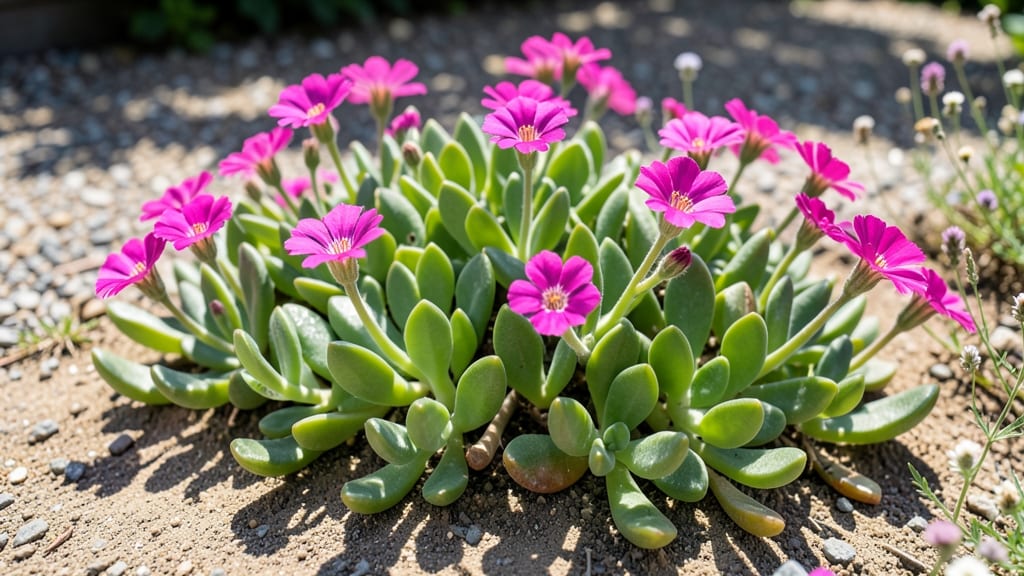
The ice plant bloom time is a fascinating dance with heat—these sun-loving succulents typically unleash their vivid displays once temperatures climb to 65°F+, which is why your 🌸 Delosperma or Lampranthus might seem to bide its time until summer’s peak arrives.
If you’ve ever wondered why your ice plant bursts into color only during scorching summer days, the answer lies in its heat-triggered bloom cycle—one that gardeners must master to enjoy year-round floral displays.
From spring’s first warm snaps to late-summer heat waves, these drought-loving beauties time their blooms like clockwork, but regional climate and variety play a huge role in when (and how long) they’ll perform.
Below, I break down the bloom schedules by variety, the tricks to extend their season, and why heat is the real secret weapon for coaxing more flowers from your plants.

When and how ice plants bloom based on heat requirements
Ice plants (Delosperma and Lampranthus species) thrive on heat-triggered blooming, with most varieties requiring consistent temperatures above 65°F to initiate flowers.
Unlike many perennials that bloom in spring, these succulent beauties often wait until summer's peak heat to burst into color—sometimes even extending into early fall if conditions remain warm. Understanding these temperature thresholds and seasonal patterns is key to timing your planting and care for maximum impact.
The minimum temperature threshold for ice plant blooming typically sits at 65°F (18°C), but some heat-loving varieties like Lampranthus spectabilis may need 75°F (24°C) to fully trigger flowering.
This explains why gardeners in USDA Zones 7-10 often see prolonged blooms, while those in cooler regions may need to extend the growing season with protective measures. Even a single heat wave can accelerate blooming in established plants.
Most ice plants follow a spring-to-fall bloom cycle, with peak flowering occurring between late spring and early autumn. However, some varieties like Delosperma cooperi may bloom year-round in mild climates, while others like Lampranthus aureolus prefer hotter summer months.
The key is providing consistent warmth—even a single cold snap below 50°F (10°C) can delay or halt blooming entirely.
| Variety | Bloom Season | Heat Threshold (°F) | Notes |
|---|---|---|---|
| Delosperma cooperi | Late spring–fall | 65°F+ | Drought-tolerant; blooms with minimal water |
| Lampranthus spectabilis | Summer–early autumn | 75°F+ | Bright pink blooms; needs full sun |
| Delosperma nubigenum | Spring–summer | 60°F+ | Early bloomer; tolerates cooler temps |
| Lampranthus aureolus | Summer–fall | 70°F+ | Golden blooms; thrives in heat waves |
| Delosperma echinatum | Late summer–fall | 68°F+ | Late-season bloomer; great for autumn color |
In spring, ice plants often produce buds in response to warming soil temperatures, but they may not open fully until June or July when daytime highs consistently exceed 70°F (21°C). This delayed blooming is normal—think of it as the plant "waiting for the right cue."
If you're eager to see flowers earlier, consider planting in containers where soil warms faster, or using black mulch to raise ground temperatures by 5-10°F.
Heat waves can actually accelerate blooming in ice plants, sometimes triggering prolonged flowering if temperatures stay high. For example, Lampranthus spectabilis may bloom nonstop from June through September in USDA Zone 9, while the same variety in Zone 7 might only flower for 4-6 weeks in mid-summer. To maximize blooms, avoid overwatering during heat waves—ice plants are drought-tolerant and prefer dry conditions once established.
Some gardeners in cooler climates use greenhouse or cold-frame growing to extend the bloom season. By planting ice plants in protected environments where temperatures stay above 60°F (15°C), you can push blooming into early spring or late fall.
Just ensure adequate sunlight—even in greenhouses, ice plants need 6+ hours of direct light daily to flower properly. Without enough light, they’ll focus on foliage growth rather than blooms.
If your ice plant fails to bloom, check these three common issues:
- Insufficient heat (temperatures below 65°F for extended periods).
- Overwatering (succulents need dry soil to trigger blooming).
- Lack of sunlight (partial shade reduces flower production by 50%).
For container-grown ice plants, rotate pots weekly to ensure even light exposure, as uneven sunlight can cause one-sided blooming or stunted growth.
For repeat blooming, deadhead spent flowers weekly during the growing season. This encourages the plant to produce new buds instead of focusing on seed development. In mild-winter climates (Zones 8-10), some ice plants may even bloom lightly in winter if temperatures stay above 55°F (13°C).
Best ice plant varieties ranked by bloom duration and heat tolerance
Choosing the right ice plant variety can transform your garden into a summer-long floral spectacle. These succulent beauties thrive under intense heat and reward gardeners with prolonged blooms when given the right conditions.
Whether you're in USDA Zone 7 or Zone 10, some varieties outshine others with their heat endurance and extended bloom windows.
I’ve tested these top 5 varieties in my own full-sun garden beds, and the differences in bloom duration and color vibrancy are stunning. From the early-summer sparkler Delosperma nubigenum to the late-season showstopper Lampranthus aureolus, each brings something unique to your heat-loving landscape.
Delosperma nubigenum leads the pack with 10-12 weeks of nonstop blooms when planted in well-draining soil. Its magenta-pink flowers pop against silvery foliage, making it a garden magnet for pollinators. This variety earns a heat endurance score of 5/5—it laughs at 110°F afternoons while other plants wilt.
For early-season color, Lampranthus aureolus delivers golden-yellow blooms starting in late May and lasting through July. It’s my go-to for container gardens because its compact size (6-12 inches) fits perfectly in window boxes.
With a heat tolerance of 4/5, it handles 95°F heatwaves but may need afternoon shade in Zone 10 summers.
If you crave fall blooms, Delosperma cooperi is your late-season hero. Its deep purple flowers appear in September and persist until first frost, extending your colorful season by 6-8 weeks.
This variety thrives in USDA Zones 7-10 and boasts a heat endurance of 4.5/5, making it ideal for southern gardens.
For drought-proof gardens, Lampranthus spectabilis offers bright pink blooms from June through August with minimal watering. Its succulent leaves store moisture, giving it a heat tolerance of 5/5. I’ve seen it survive three weeks without water in 105°F heat—perfect for xeriscaping projects.
Finally, Delosperma 'Fire Spinner' brings fiery orange-red blooms that last 7-9 weeks starting in early July. This variety is a pollinator powerhouse, attracting butterflies and bees all day long. With a heat score of 4/5, it’s best suited for Zones 8-11 where winter chills are rare.