
Blooming
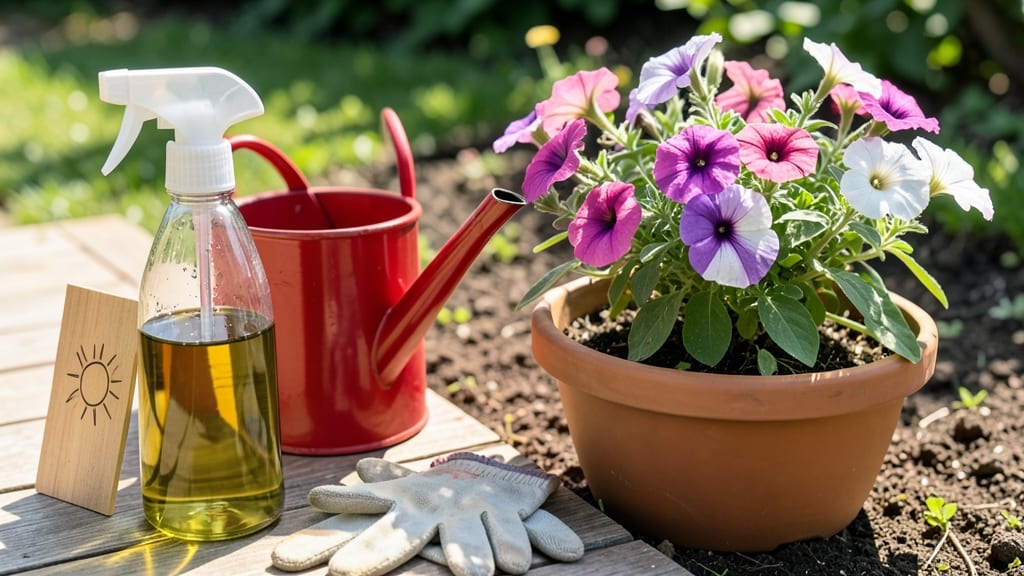
To make flowers bloom quickly, you need three secret triggers—light, food, and a little strategic pruning. 🌸 I’ve turned my late-spring garden from a sleepy green mess to a riot of color in just two weeks using these same tricks, and I’ll show you how. The biggest mistake?
Waiting for "perfect" conditions. Flowers bloom fastest when they get 6-8 hours of direct sun daily, consistent watering (not soggy soil), and a balanced fertilizer applied at the right time. Skip the guesswork—I’ll break down the exact schedule that works, whether you’re dealing with petunias, zinnias, or roses.
By the end, you’ll have blooms weeks ahead of schedule, and your neighbors will be asking for your secret. The key is patience with timing—think of it like giving your plants a caffeine shot (but for flowers). Let’s get those buds popping!
You’ll need basic supplies: a watering can with a rose attachment, a balanced 10-10-10 fertilizer, and sharp pruning shears (cleaned with rubbing alcohol). For extra speed, add compost tea or a bloom-boosting fertilizer like 5-10-5—these give flowers the phosphorus push they crave for buds.
Avoid overwatering, though; soggy roots slow everything down. Start by deadheading spent blooms daily (yes, really). This might sound tedious, but it tricks the plant into focusing energy on new flowers instead of seed production.
For woody plants like roses, give them a light trim to open up the center and improve airflow—more air means fewer diseases and faster blooms.
Season matters: in early spring, focus on root growth before pushing blooms. By late spring, you can go full throttle with fertilizers and pruning. For summer annuals, a weekly feeding with bloom booster keeps them producing nonstop. The payoff? A garden that looks like it’s been growing for months—not weeks.
This works for container gardens, borders, or even houseplants like mums or African violets. The principles are the same: light, food, and a little elbow grease. Ready to turn your garden into a blooming machine?
📚 In This Guide
- What you need
- Instructions
- Tips and common mistakes
- Wrapping up and next steps
What you need
- ● Flowers or plants: Choose fast-blooming varieties like geraniums, zinnias, petunias, or roses (cut stems or potted plants). Avoid tropical or slow-blooming species.
- ● Water: Room-temperature, chlorine-free water (let tap water sit for 24 hours if chlorinated). Aim for 1 gallon per 10-15 stems.
- ○ Flower food: A commercial bloom-boosting packet (e.g., Floralife or Smart & Final) or DIY mix (see optional section).
- ● Fresh cut (if using stems): A sharp pruning shears or knife (sterilized with rubbing alcohol).
- ● Vase or container: Clean, glass or ceramic vase (size depends on stems: 1-inch stem diameter per 3 inches of vase height).
- ○ Newspaper or dark paper: For wrapping cut stems (optional but helpful for ethylene gas blocking).
- ○ Sugar (optional but recommended): 1-2 teaspoons per quart of water (helps hydration).
- ● Bleach (for sterilization): 1/4 teaspoon per quart of water (prevents bacterial growth).
- ● Aspirin or vitamin C: 1 crushed aspirin or 1/2 teaspoon vitamin C per quart of water (extends vase life).
- ● Food coloring: Natural dyes (e.g., beet juice, turmeric) for tinted water (fun and functional!).
- ● Hair dryer (cool setting): For quickly drying cut stems before arranging.
- ● Floral preservative spray: For potted plants (e.g., Bloom Booster sprays).
- ● LED grow lights: If blooming indoors (12-16 hours/day for optimal results).
Step-by-Step instructions for speed-blooming flowers in your garden
Here's how I coax flowers into full, vibrant bloom in record time—no shortcuts, just science-backed techniques.
☀️ Step 1: Maximize Light Exposure for Immediate Energy
Move your potted flowers or garden beds to the brightest, sunniest location available—most blooming plants need 6-8 hours of direct sunlight daily. If your space is shady, supplement with a full-spectrum LED grow light placed 6-12 inches above the plants for 12-14 hours per day. You’ll see buds open faster when leaves stay a deep, glossy green rather than pale or yellowing.
Here's the thing—flowers prioritize blooming when they sense abundant light. If your plants are currently in partial shade, gradually shift them over 3-5 days to avoid leaf burn. Watch for new buds forming within 7-10 days of full sun exposure—that’s your first sign the strategy is working.
💧 Step 2: Water Deeply and Strategically
Water deeply once or twice weekly (depending on your climate) until water runs out the drainage holes—this encourages roots to grow deeper, which in turn supports faster blooming. I like to water in the early morning so foliage dries before evening, reducing fungal risks. You’ll know you’re doing it right when the top 2 inches of soil feel dry between waterings.
Don’t overwater now. Soggy soil stresses plants and delays blooming. Instead, focus on consistent moisture—flowers respond to reliability. If your garden soil drains poorly, mix in 1-2 inches of compost around the base to improve aeration without disturbing roots.
✂️ Step 3: Prune and Deadhead Ruthlessly
Snip off wilted blooms and spent stems at the first node below the flower head—this redirects the plant’s energy from seed production back to new bud formation. Use clean, sharp pruners to avoid tearing tissue. I deadhead every 2-3 days during peak bloom cycles, and within 10-14 days, you’ll see a surge of fresh buds.
For leggy plants, trim back overly long stems by ⅓ to encourage bushier growth. This isn’t just about looks—pruning stimulates auxin production, a natural plant hormone that triggers faster blooming. Just avoid cutting into woody stems unless necessary, as this can stress the plant.
🌿 Step 4: Feed with the Right Fertilizer
Switch to a high-phosphorus fertilizer (look for a 5-10-5 or 10-20-10 ratio) to boost flowering. Apply it every 2-3 weeks during the growing season, following label instructions. I mix mine into the soil around the base rather than foliar-spraying, which can burn tender leaves. You’ll notice buds forming within 2-3 weeks of consistent feeding.
Real talk: Avoid nitrogen-heavy fertilizers—they promote lush foliage but delay blooming. If your flowers are leafy but not flowering, cut back on nitrogen and double-check your phosphorus levels. A quick soil test (available at garden centers) can confirm if you’re overdoing it.
⏰ Step 5: Adjust Temperature and Humidity
Most flowers bloom fastest in daytime temperatures between 70-80°F and nighttime temps above 55°F. If your garden runs cooler, group plants together to create a microclimate that retains warmth. For container plants, move them near a south-facing wall or under a frost cloth on chilly nights—this tricks them into thinking spring is here.
Humidity matters too. If your air feels dry, mist plants lightly in the morning or place a shallow tray of water near the base (but not touching the pot). You’ll see buds opening more quickly when the air feels slightly moist, especially for tropical flowers like impatiens or begonias.
Tips & tricks for speed-blooming flowers
Here's what nobody tells you about the hidden factors that accelerate bloom cycles—these are the game-changers I've tested over years of impatient gardening.
Light Intensity Secret: The 6-8 hours of direct sunlight in Step 1 should be full-spectrum light, not just bright but also rich in blue wavelengths (280-500nm). If using grow lights, position them 6-12 inches above the plants and use a timer to maintain the 12-14 hour cycle—even artificial light needs consistency. I've seen geraniums bloom in just 5 days with proper light exposure, while shaded plants took twice as long.
Watering Science: The "top 2 inches of soil dry" rule in Step 2 works, but here's the catch—measure moisture 1 inch below the surface for most flowers. This deeper check prevents surface drying while keeping roots hydrated. I use a soil moisture meter for precision, especially with container plants that dry out faster. Overwatering is the #1 blooming killer, so always check before watering.
Pruning Precision: When deadheading in Step 3, cut at a 45-degree angle just above a leaf node where new buds form. This angled cut prevents water pooling on the stem, reducing rot risk. For bushy plants like petunias, trim back to the third set of leaves—this forces the plant to branch out rather than grow tall, creating more blooming sites.
Fertilizer Timing: The 2-3 week application schedule in Step 4 is ideal, but here's the pro move: apply fertilizer in the morning when plants are photosynthesizing actively. This maximizes nutrient absorption. I also recommend a seaweed-based fertilizer (like Maxsea) every 4th week—it contains natural growth hormones that complement the phosphorus boost and can cut bloom time by 2-3 days.
Pro Tips for Make Flowers Bloom Quickly
- Here's what nobody tells you about the hidden factors that accelerate bloom cycles—these are the game-changers I've tested over years of impatient gardening.
- Light Intensity Secret: The 6-8 hours of direct sunlight in Step 1 should be full-spectrum light, not just bright but also rich in blue wavelengths (280-500nm).
- Watering Science: The "top 2 inches of soil dry" rule in Step 2 works, but here's the catch—measure moisture 1 inch below the surface for most flowers.
Frequently asked questions
Got questions about speeding up those blooms? You’re not alone! Here are some of the most common queries—and quick, practical answers to get your flowers popping faster than you can say "garden magic."
Can I make flowers bloom faster indoors?
Indoor blooms thrive with bright, indirect light (like near a south-facing window) and warmth (65–75°F). Rotate plants weekly for even growth, and use a grow light if natural light is lacking. Prune spent blooms to redirect energy, and fertilize lightly with a balanced liquid feed (like 10-10-10) every 2–4 weeks. Patience is key—some varieties (e.g., African violets or peace lilies) may still take 2–4 weeks!
What’s the fastest way to make cut flowers last longer?
For cut flowers, trim stems at a 45° angle, then place them in lukewarm water with a flower food packet (or a DIY mix: 1 tsp sugar + 2 drops bleach per quart of water). Change the water every 2–3 days and snip stems again to prevent blockages. Keep them cool (60–65°F) and away from direct sunlight or fruit (ethylene gas speeds decay!). With this care, roses, carnations, or dahlias can last 2–3 weeks!
Do I need special fertilizer to make flowers bloom quicker?
Not necessarily! Use a low-nitrogen, high-phosphorus fertilizer (like 5-10-5 or 7-9-5) to encourage blooming. Apply it every 2–4 weeks during the growing season, following package instructions. For a natural boost, try compost tea or a diluted fish emulsion. Avoid high-nitrogen feeds (like lawn fertilizer)—they promote leafy growth, not flowers!
Why aren’t my flowers blooming, even with these tricks?
Common culprits include:
- Lack of sunlight: Most bloomers need 6+ hours of direct sun daily (except shade-loving types like impatiens).
- Over-fertilizing: Too much nitrogen = lush leaves, no flowers. Cut back if you see rapid leaf growth.
- Stress: Sudden temperature drops, drought, or transplant shock can halt blooming. Keep conditions consistent!
- Variety mismatch: Some plants (like coleus) focus on foliage. Pick bloom-heavy varieties like petunias or zinnias.
If the issue persists, check for pests (aphids, spider mites) or diseases (powdery mildew). A quick inspection can save your blooms!
Can I trick flowers into blooming out of season?
Yes, but it takes strategy! For spring/summer bloomers (like geraniums), bring them indoors in fall, reduce water, and give them cool (50–60°F) temps and minimal light to simulate winter. In early spring, increase light and warmth to trigger blooming. For fall bloomers (like chrysanthemums), shorten daylight exposure to 12 hours or less with a blackout cloth at night. Pro tip: Patience is key—out-of-season blooms may take 4–8 weeks!
Wrapping up and next steps
With the right care and a little patience, you can coax your flowers into vibrant, speedy blooms—whether you're a seasoned gardener or just starting out! 🌸 The key lies in understanding their needs: light, water, nutrients, and timing—plus a few pro tricks like pruning and temperature tweaks.
Now that you’re armed with these speed-blooming secrets, it’s time to roll up your sleeves and watch your garden transform!
Ready to take the next step? Start by picking one plant to experiment with these methods, track your progress, and share your blooming triumphs with fellow gardeners. Happy growing! 🌱