
Blooming
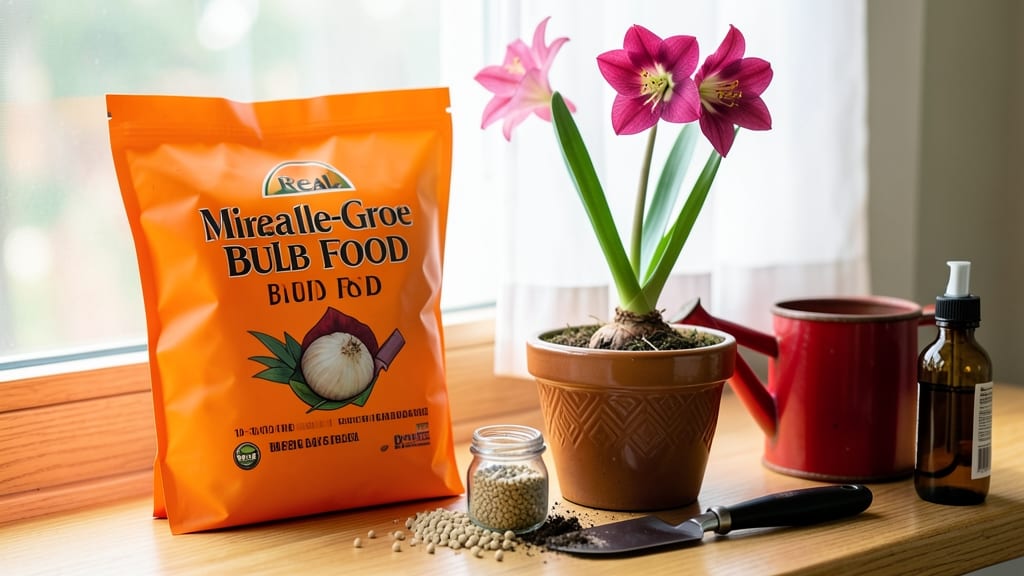
Getting your amaryllis to rebloom for Christmas isn't just possible—it's a showstopping tradition you can master. 🌟 I've forced these bulbs to bloom right on schedule for years, and the secret lies in tricking them into thinking it's their natural season.
The key? Timing your light, water, and temperature cues like a holiday countdown.
Start in late summer by moving your bulb to a dark, cool spot (around 55-60°F) and watering lightly every few weeks. After about 8-10 weeks, when you see a spiky shoot, bring it into bright, indirect light and resume regular watering.
This mimics the bulb's natural cycle and primes it for your chosen holiday date.
By December, you'll have a 6-foot-tall stalk of vibrant blooms that smell like a winter wonderland. The flowers last for weeks, and with proper care, your bulb will reward you with another show next year.
The best part? You control the timing—set it for Christmas, Hanukkah, or New Year's, and make your home the most festive on the block.
Troubleshooting is simple: if blooms fail to appear, check your light (too little = no flowers) or water (too much = rot). Keep the soil barely moist, and never let the bulb sit in water.
With these adjustments, your amaryllis will bloom reliably every year—just in time for the holidays you love.
📚 In This Guide
- What you need
- Instructions
- Tips and common mistakes
- Wrapping up and next steps
What you need
- ● Amaryllis bulb – A healthy, mature bulb (preferably one that’s bloomed before). Pro tip: Look for bulbs with firm, papery skins and no soft spots!
- ● Well-draining potting mix – Use a blend designed for bulbs or amend regular potting soil with 20-30% perlite or sand to prevent soggy roots.
- ○ Pot with drainage holes – A container 1-2 inches wider than the bulb’s diameter (e.g., a 6-inch pot for a 5-inch bulb). Optional but helpful: A cache pot (a decorative outer pot with a removable inner pot) for style!
- ● Watering can or spray bottle – For gentle hydration (avoid soaking the bulb!).
- ● Bright, indirect light source – A south- or east-facing window, a grow light, or a sunny spot (6-8 hours of light daily).
- ● Fertilizer (balanced or bulb-specific) – A 10-10-10 or 20-20-20 liquid fertilizer, diluted to half-strength.
- ● Trowel or spoon – For planting (or your fingers if you’re gentle!).
- ○ Thermometer (optional) – To monitor temperatures if your home runs cool (65–75°F is ideal).
- ● Humidity tray or pebbles – To boost moisture levels if your air is dry (place the pot on a tray of water + pebbles).
- ● Decorative elements – Ribbon, faux snow, or holiday-themed pots to dress up your reblooming star!
Step-by-Step instructions for tricking your amaryllis to rebloom for Christmas
Here's how I coax my amaryllis into a second showstopping bloom—just in time for the holidays.
🌱 Step 1: Force Dormancy After First Bloom
Once your amaryllis finishes blooming, let the flower stalk die back naturally—don't cut it. This signals the bulb to store energy for next season. Place the pot in a cool, dark spot (around 55-60°F) where it gets no light at all. I keep mine on a top shelf in my garage wrapped in newspaper to block stray light.
Water sparingly during dormancy—just enough to keep the bulb from shriveling. Stick your finger in the soil: if it feels completely dry 2 inches down, give it a light sip. Overwatering now causes rot, and you'll know it's too wet when the soil stays damp for more than a week. This dormancy period lasts 8-10 weeks—the longer you can keep it cool and dark, the bigger next year's bloom.
☀️ Step 2: Wake the Bulb with Light and Warmth
About 10-12 weeks before Christmas, move the pot to a bright spot where it gets 6-8 hours of indirect light daily. I place mine near an east-facing window where morning sun warms the bulb gently. Avoid direct midday sun—it can scorch the leaves before the flower stalk emerges.
Start watering when you see new growth—usually 2-3 weeks after moving it. Water thoroughly until it drains from the bottom, then let it dry slightly between waterings. You'll know it's ready when the top of the soil feels dry to the touch but the bulb itself stays plump. This gradual transition tricks the bulb into thinking spring has arrived.
💧 Step 3: Feed and Fertilize for Strong Growth
When the first true leaves appear (not the tiny sprouts), switch to a balanced liquid fertilizer diluted to half-strength. I use a 10-10-10 mix every 2 weeks to encourage both leaf and flower development. Fertilizer burns are easy to spot—the edges of leaves turn brown and crispy, so always dilute as directed.
Rotate the pot a quarter turn weekly so the bulb grows straight toward the light. You'll notice the leaves darken and thicken as they mature. This is when the bulb is storing maximum energy for that Christmas bloom. Keep the soil consistently moist but never soggy—water when the top inch feels dry.
⏰ Step 4: Trigger Flowering with Controlled Conditions
About 6-8 weeks before Christmas, move the pot to a cooler spot (65-70°F) with 12 hours of light daily. I use a simple LED bulb on a timer to extend daylight if needed. The temperature drop mimics autumn, which triggers flower bud formation. You won't see anything yet, but the bulb is working hard underground.
Reduce watering slightly during this phase—let the soil dry out a bit more between waterings. This stress helps the bulb focus energy on flower production. Watch for the first sign of a flower stalk emerging from the center of the bulb. It'll start as a tiny bump, then grow 2-3 inches per week if conditions are right.
🎄 Step 5: Showcase Your Christmas Bloom
When the flower stalk reaches 6-8 inches tall, move the pot to its holiday display spot. I place mine in a sunny window where guests can admire it during gatherings. The bloom will open fully in 1-2 weeks, revealing those stunning red (or pink, white, or striped) flowers.
After the bloom fades, let the stalk die back naturally and repeat the dormancy cycle. With this method, I've had the same bulb rebloom for Christmas 4 years in a row. The key is patience—rushing the process weakens the bulb and reduces next year's bloom size. Think of it as training a holiday performer to take its bow on cue.
Tips & tricks for perfect amaryllis reblooming
Getting your amaryllis to perform its holiday magic takes more than just waiting—here's how to give it the perfect stage conditions.
Lighting Strategy: For Step 2, position your amaryllis near a window with sheer curtains to diffuse harsh afternoon sun. East-facing windows work best because morning light warms the bulb gradually without scorching. If you notice leaves turning yellow or crispy, it's getting too much direct sun—move it back a foot or add a sheer curtain. The goal is bright but indirect light for those critical 6-8 hours daily.
Temperature Transition: The shift from 55-60°F dormancy to 65-70°F in Step 4 is where most people go wrong. Don't make this change too abruptly! Gradually move the pot to warmer conditions over 3-4 days. I place mine near an exterior door where it gets a gentle warmth from outside air before moving it fully inside. This mimics natural seasonal changes and prevents stress that could delay blooming.
Fertilizer Timing: In Step 3, when you see those first true leaves (not the tiny sprouts), that's your cue to start fertilizing. I like to use a 10-10-10 mix, but you can also opt for a bulb-specific fertilizer if available. The key is consistency—every 2 weeks without fail. If you notice brown edges on leaves, you're overdoing it. Remember, amaryllis bulbs store energy like a battery, and fertilizer helps charge them up for that Christmas show.
Watering Wisdom: During the critical 6-8 weeks before Christmas in Step 4, let the soil dry out more between waterings. I check by sticking my finger 2 inches down—if it's completely dry, that's when to water. This controlled stress helps the bulb focus all its energy on producing that stunning flower stalk. Too much water now can drown out those delicate buds forming underground.
Pro Tips for Get Amaryllis To Rebloom For Christmas
- Getting your amaryllis to perform its holiday magic takes more than just waiting—here's how to give it the perfect stage conditions.
- Lighting Strategy: For Step 2, position your amaryllis near a window with sheer curtains to diffuse harsh afternoon sun.
- Temperature Transition: The shift from 55-60°F dormancy to 65-70°F in Step 4 is where most people go wrong.
Frequently asked questions
Got more questions about coaxing your amaryllis into a festive rebloom? Here are answers to the most common ones—so you can enjoy those stunning Christmas flowers year after year!
Why isn’t my amaryllis reblooming after last year?
If your bulb isn’t reblooming, it might be due to stress (like overwatering or not enough light) or age—amaryllis bulbs typically bloom best for 3–5 years. Try adjusting your light, water, or dormancy period to trick it into blooming again. Also, check if the bulb is healthy: soft spots or mold mean it’s time for a replacement!
Can I force an amaryllis to bloom for Christmas if I plant it in October?
Yes! Plant your bulb in early October (8–10 weeks before Christmas) to give it time to sprout and bloom. If you wait until November, you might only get a few small buds—or no flowers at all. Use a 12-hour light cycle (like a grow light) to speed things up if needed!
What do I do if my amaryllis only has leaves and no flowers?
No flowers? Your bulb might need more light (place it in a south- or west-facing window) or a longer dormancy (6–8 weeks of cooler temps and less water). If it’s been blooming for years, it may be exhausted—try dividing the bulb (if it’s large enough) to refresh it.
Can I use the same pot for reblooming, or should I repot?
You can reuse the pot, but refresh the soil and check for pests. If the bulb is crowded (multiple bulbs in one pot), separate them—each needs space to regrow. A drainage hole is a must to prevent rot. Pro tip: Use a well-draining mix (like cactus soil) for best results!
What if my home is too warm for dormancy?
If your home stays above 60°F (15°C), simulate dormancy by moving the pot to a cooler spot (like a basement or garage) and reducing water. Alternatively, use a grow light on a timer (12 hours on/off) to trick the bulb into thinking it’s winter. Avoid heat sources like radiators!
Can I rebloom an amaryllis without buying a new bulb?
If your current bulb is healthy, prune dead flowers, let the leaves die back naturally, then force dormancy for 6–8 weeks. Afterward, repot in fresh soil, water lightly, and place it in bright light. With patience, it’ll often rebloom—just like magic!
Wrapping up and next steps
Getting your amaryllis to rebloom for Christmas is all about patience, consistency, and a little holiday magic! 🎄✨ By following the right light, water, and temperature tricks, you’ll turn last year’s spent bulb into a stunning centerpiece.
Remember, timing is everything—start early, and soon you’ll be rewarded with those show-stopping blooms just in time for the season.
Ready to make it happen? Grab your bulb, set your calendar, and get blooming! 🌱💐 Start your 12-week cycle today—your future Christmas table (or mantel!) will thank you.