
How To
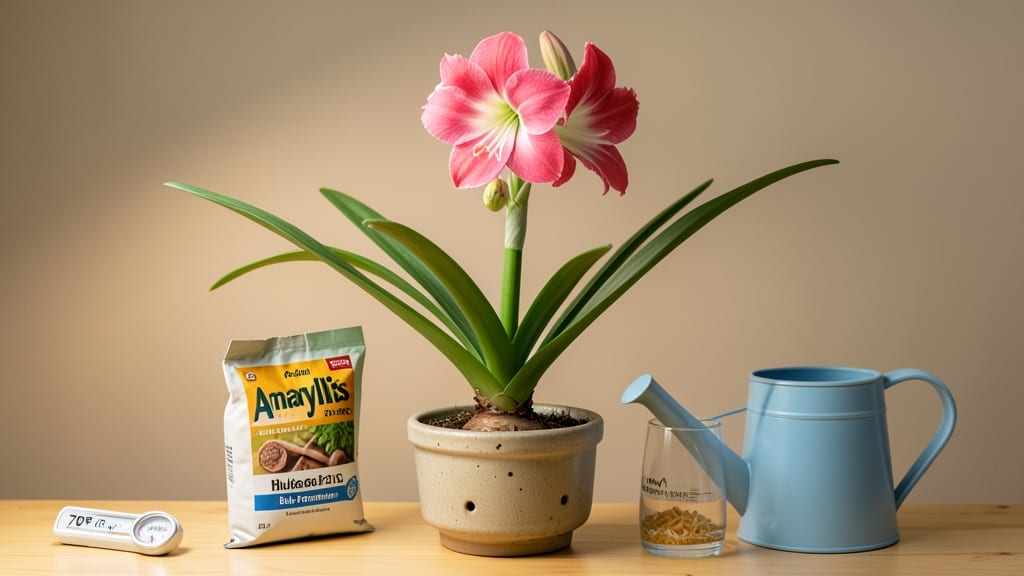
Your amaryllis is sending up those long, lush leaves, but you’re wondering how do I get my amaryllis to bloom after it grows long leaves? 🌱 That’s your plant telling you it’s ready for the next step—but it needs a little coaxing with light and temperature tricks.
Most growers miss the simple adjustments that trigger flowering, like shifting to cooler nights or moving it to a brighter spot without scorching those leaves.
Here’s the thing—amaryllis bulbs store energy in their leaves, and they won’t bloom until they’ve had enough sunlight (6+ hours of bright, indirect light daily) and a period of rest. Overwatering or fertilizing while they’re leafing out just delays the process.
I’ve seen plants bloom within 4-6 weeks of adjusting their care, while others took months—it all depends on how you fine-tune their environment.
By the end, you’ll have a plant that’s bursting with 2-3 foot stems and clusters of vibrant blooms, all while keeping those leaves healthy. The secret? A cool nighttime drop (below 60°F) and a slight water cutback before the dormancy phase. Trust me, your amaryllis has been waiting for this.
Works for both indoor and outdoor amaryllis (in warm climates), and you’ll spot the first flower bud forming within 2-3 weeks of making these changes. Let’s get those blooms going!
Root Causes Blocking Blooms
Your amaryllis (Hippeastrum) has put all its energy into growing lush, long leaves—but where are the flowers? 🌱✨ The truth is, blooming is triggered by a delicate balance of internal and external signals.
If your plant is stuck in leafy mode, it’s likely because one (or more) of these key factors isn’t aligned with its natural cycle. Let’s break down the science behind why your amaryllis might be playing hard to bloom.
Amaryllis bulbs are dormancy-dependent plants, meaning they need a period of cooler temperatures to "reset" and trigger flowering. If your home stays consistently warm (above 75°F/24°C), the bulb won’t recognize when to shift from leaf growth to flower production.
Why it happens:
- No dormancy signal: Amaryllis bulbs originate from temperate climates where they experience seasonal temperature drops. Without this cue, the bulb stays in a "growth mode" indefinitely, prioritizing leaves over flowers.
- Metabolic slowdown blocked: Cooler temps (around 55–65°F/13–18°C) for 4–6 weeks mimic winter, prompting the bulb to conserve energy and redirect it toward flower buds. If your space is too warm, this process never starts.
- Ethylene gas disruption: Some studies suggest that cooler temps help regulate ethylene production—a plant hormone that influences flowering. Warmth suppresses ethylene, keeping the bulb in a vegetative state.
Actionable insight: If your home is perpetually warm, consider moving the pot to a cooler spot (like a basement or garage) for 4–6 weeks before expecting blooms. Even a 10°F/5°C drop can make a difference!
Amaryllis bulbs need bright, indirect light to bloom, but the timing and intensity matter. Too little light stunts growth entirely, while excessive direct sunlight can stress the plant and delay flowering.
Why it happens:
- Insufficient photosynthesis: Leaves need light to produce energy (glucose) via photosynthesis. If light is too weak (e.g., low-light rooms or winter windowsills), the bulb diverts all energy to sustaining leaves, leaving none for flowers.
- Overheating from direct sun: While amaryllis loves light, harsh midday sun (especially south-facing windows) can scorch leaves and trigger heat stress. This forces the plant into survival mode, delaying blooming.
- Photoperiod sensitivity: Some amaryllis varieties are short-day plants, meaning they need 12+ hours of darkness to flower. Artificial lights keeping your home bright 24/7 can confuse the bulb’s internal clock.
Actionable insight: Place your amaryllis in a spot with 6–8 hours of bright, indirect light daily (east or west-facing windows are ideal). If using grow lights, ensure they’re 12 inches away and on a timer to simulate natural day/night cycles.
Watering is a double-edged sword for amaryllis. Too much or too little can disrupt the bulb’s energy reserves, leaving it unable to produce flowers.
Why it happens:
- Overwatering = Rot and Stress: Amaryllis bulbs store nutrients in their scales, but soggy soil leads to root rot, preventing the bulb from accessing stored energy. A stressed bulb won’t allocate resources to flowers.
- Underwatering = Dormancy Triggers (Wrong Time): While bulbs do need a dry period, if you withhold water during active leaf growth, the plant assumes it’s time to dormancy—cutting off flower development prematurely.
- Nutrient dilution: Overwatering flushes out fertilizers, starving the bulb of phosphorus and potassium—two critical nutrients for blooming.
Actionable insight:
- ✅ Water only when the top 2 inches of soil are dry (stick your finger in to check!).
- ✅ Use a pot with drainage holes and well-draining soil (cactus mix works well).
- ✅ Reduce watering by 50% once leaves start yellowing (signs of natural dormancy).
Not all amaryllis bulbs are created equal. If your bulb is too young, too old, or damaged, it may never bloom—or will take years to recover.
Why it happens:
- First-year bulbs: Amaryllis bulbs often skip flowering in their first year after planting, focusing solely on leaf growth to build energy stores. Patience is key!
- Over-mature bulbs: Bulbs older than 5–7 years may produce fewer or no flowers as their energy reserves deplete. The leaves become weak, and the bulb prioritizes reproduction via offsets (baby bulbs) instead.
- Physical damage: Bruised, cut, or diseased bulbs can’t allocate energy to flowers. Even minor damage disrupts the bulb’s internal signals.
Actionable insight:
- 💡 Buy mature bulbs: Look for bulbs with plump, firm scales (3–4 inches in diameter) for the best chance of blooming.
- 🌱 Replace old bulbs: If your bulb is past its prime, dig up offsets (baby bulbs) and pot them separately—they’ll bloom faster!
- 🩹 Inspect for pests: Mealybugs or mites drain the bulb’s energy. Treat with neem oil if you spot infestations.
Amaryllis bulbs need specific nutrients to bloom, and most common houseplant fertilizers fall short. Without the right balance, your plant will keep growing leaves but never flower.
Why it happens:
- Low phosphorus: Phosphorus (_P_) is critical for flower development. A fertilizer heavy in nitrogen (_N_) promotes leafy growth but starves blooms.
- Potassium deficiency: Potassium (_K_) helps regulate water and nutrient uptake. Without it, the bulb struggles to produce strong flower stalks.
- Micronutrient gaps: Boron, magnesium, and calcium are often overlooked but essential for cell division and energy transfer in bulbs.
Actionable insight: Use a balanced bulb-specific fertilizer (like 10-10-10 or 5-10-10) and apply it every 4–6 weeks during active growth. For a quick fix, dissolve 1 tsp of Epsom salt (magnesium sulfate) in a gallon of water and water your plant monthly.
Tricks to Trigger Blooms Now
Got long green leaves but no flowers? Don’t panic—your amaryllis is just waiting for the right nudge! The key to blooming lies in mimicking its natural dormancy cycle, and with a few simple tweaks, you can coax those stunning buds to appear.
Below are practical, step-by-step fixes tailored to the most common reasons your plant is holding back, plus pro tips to keep it thriving long-term.
Amaryllis need a "winter rest" to set flower buds, even indoors. If your home stays too warm (above 70°F/21°C), your plant skips this critical step.
How to do it: ✅ 🔥 Cool It Down – Move your amaryllis to a cooler spot (55–65°F/13–18°C) for 6–8 weeks. A basement, garage (without frost), or even a sunny windowsill away from heaters works. No basement? A refrigerated garage or a cool indoor corner suffices. ✅ 🌙 Simulate Night Lengths – Amaryllis thrive with 12+ hours of darkness. If your plant is near a streetlight or TV, cover it with a blackout box or move it to a darker room at night. ✅ 💧 Cut Back on Water – Reduce watering to once every 3–4 weeks (let the top 2 inches of soil dry out). Overwatering in cool temps = root rot, which stresses the plant.
💡 Pro Tip:
- If you’re impatient, try a "cold shock" for 2–3 weeks at 50–55°F (10–13°C)—some growers swear by this to jumpstart blooming. Just don’t let it freeze!
⚠️ Prevention:
- Avoid placing amaryllis near heating vents, radiators, or sunny south-facing windows in winter.
- Use a thermometer to monitor temps—consistency is key!
Too little light = leggy leaves, no blooms. Too much direct sun = scorched leaves. Balance is everything.
How to do it: ✅ 📏 Move to Bright, Indirect Light – Place your amaryllis 3–6 feet from a south- or east-facing window. If natural light is weak (common in winter), supplement with a grow light (12–14 hours/day). ✅ 🌞 Rotate the Pot – Leaves grow toward the light, causing uneven growth. Turn the pot ¼ turn weekly to encourage balanced bud development. ✅ 🔥 Watch for Sunburn – If leaves turn yellow or crispy, it’s getting too much direct sun. Use a sheer curtain to diffuse harsh rays.
💡 Pro Tip:
- For extra blooms, try morning sun + afternoon shade—this mimics the plant’s natural tropical habitat where it gets bright light but not scorching midday heat.
⚠️ Prevention:
- Avoid west-facing windows in summer—the intense afternoon sun can stress the plant.
- If using grow lights, keep them 6–12 inches above the leaves to prevent stretching.
Over-fertilizing after leaf growth starts can delay or prevent blooming. Timing and type matter!
How to do it: ✅ 📅 Stop Fertilizing 6–8 Weeks Before Forcing Blooms – If you’ve been fertilizing regularly, cut it off once leaves hit 6–8 inches tall. This signals the plant to focus on buds, not more foliage. ✅ 💪 Use the Right Fertilizer – Switch to a low-nitrogen, high-phosphorus fertilizer (like 5-10-10 or 10-20-20) once blooming season starts. Phosphorus = flower power! ✅ 🍄 Boost with Bulb-Specific Food – A diluted bulb fertilizer (half-strength) every 4–6 weeks during the blooming phase helps. Avoid liquid fertilizers with high nitrogen (like 30-10-10)—they encourage leaves over flowers.
💡 Pro Tip:
- For a quick bloom boost, mix 1 tsp of Epsom salt (magnesium sulfate) into water and use it once a month—it helps with flower development.
⚠️ Prevention:
- Never fertilize a dormant bulb—this can burn roots and prevent blooming.
- If your soil is very rich, skip fertilizer entirely—sometimes less is more!
Low humidity or stagnant air can cause buds to drop before opening or prevent them from forming at all.
How to do it: ✅ 💦 Increase Humidity Gently – Place the pot on a tray of pebbles + water (ensure the pot isn’t sitting in water) or use a humidifier nearby. Aim for 40–50% humidity. ✅ 🌬️ Improve Air Circulation – A gentle fan on low (a few hours daily) prevents fungal issues and encourages stronger stems. No fan? Just open a window nearby for airflow. ✅ 🚫 Avoid Drafts – Keep the plant away from AC vents, heaters, or open windows in winter—temperature swings stress it out.
💡 Pro Tip:
- Mist leaves lightly in the morning (avoid evening misting to prevent fungal growth).
⚠️ Prevention:
- If buds form but wilt, it’s often due to sudden temperature drops—keep the environment stable!
If your amaryllis has bloomed before but now refuses, it might need a harder dormancy trick to reset its cycle.
How to do it: ✅ 🌱 Stop Watering & Let Leaves Die Back – Once blooms fade, reduce watering drastically and let the foliage yellow and wither (this mimics natural dormancy). ✅ 🧊 Store the Bulb Cooled (But Not Frozen) – After leaves die, trim them to 2 inches, dust off old soil, and store the bulb in a paper bag in a cool, dark place (50–60°F/10–15°C) for 8–10 weeks. ✅ 🌱 Replant & Repeat – After dormancy, repot in fresh soil, water lightly, and place in bright light. It may take 6–8 weeks to sprout new leaves—and then another 6–8 weeks for blooms!
💡 Pro Tip:
- For a summer bloom, start the dormancy cycle in late winter/early spring.
- For a holiday bloom, begin in July/August.
⚠️ Prevention:
- Don’t skip dormancy—skipping this step is the #1 reason amaryllis stop blooming!
Before you give up, run through this quick checklist: ✔ Temperature: Cooler than 70°F (21°C) for 6–8 weeks? ✔ Light: Bright but indirect, 12+ hours of darkness? ✔ Water: Only when top 2 inches of soil are dry? ✔ Fertilizer: Switched to low-nitrogen, high-phosphorus? ✔ Humidity: Above 40%? ✔ Airflow: Gentle breeze, no drafts?
If you’ve checked all these boxes and still no blooms, your bulb may be exhausted—time for a new bulb! But with patience and these tricks, your amaryllis will reward you with stunning, long-lasting flowers in no time. 🌸✨
Frequently asked questions
How long does it take for amaryllis to bloom after adjusting care?
With the right adjustments, you’ll typically see flower buds forming within 2-3 weeks of creating cooler nighttime conditions and proper light exposure. Full blooms usually appear 4-6 weeks after starting the dormancy phase, though some varieties may take up to 8 weeks for the first flowers to open.
Can I force my amaryllis to bloom out of season?
Yes! To get blooms during summer or winter, you’ll need to manipulate the dormancy cycle. For summer blooms, start the 8-week cool/dry period in late winter (around February). For holiday blooms, begin the cycle in July/August. Just remember: the cooler the dormancy period, the more reliable the blooms will be.
What should I do if my amaryllis leaves turn yellow before blooming?
Yellowing leaves are normal if they occur after the plant has finished blooming, signaling natural dormancy. However, if leaves yellow during active growth, it’s often a sign of overwatering or nutrient deficiency. Reduce watering to once every 2 weeks and switch to a low-nitrogen fertilizer (like 5-10-10) to encourage blooming instead of foliage.
Why do my amaryllis buds form but then drop before opening?
Bud drop is usually caused by temperature fluctuations or low humidity. Keep your amaryllis in a stable environment with 40-50% humidity and avoid placing it near drafts, heaters, or AC vents. A pebble tray with water or humidifier nearby can help maintain proper moisture levels.
How do I know if my amaryllis bulb is too old to bloom?
Amaryllis bulbs typically bloom reliably for 5-7 years before their energy reserves deplete. Look for these signs of an aging bulb: smaller leaves, fewer or no flower stalks, and offsets (baby bulbs) forming around the base. If this describes your plant, it’s time to replace it with a new bulb or repot the offsets separately.