
Flowers
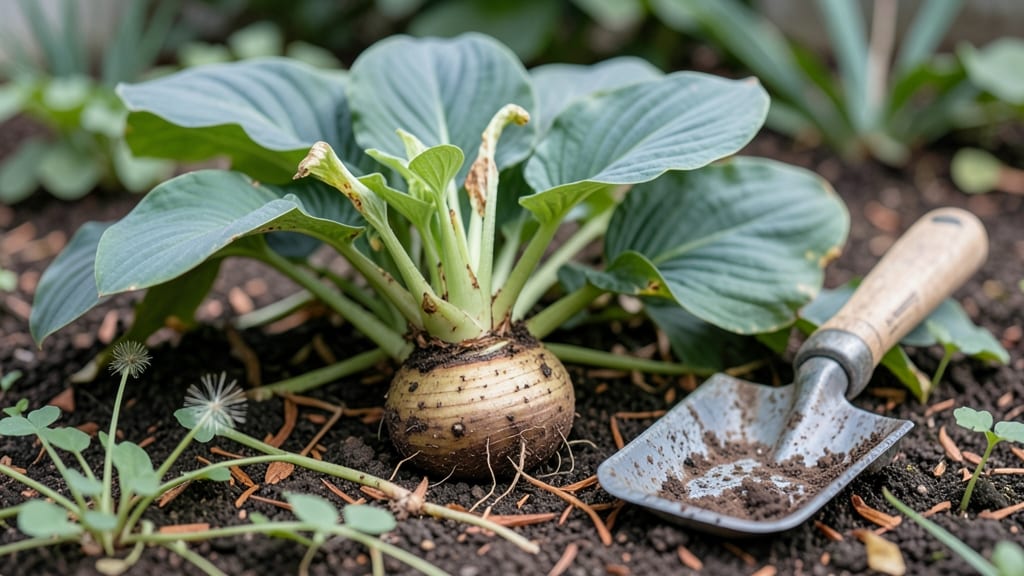
Hostas growing from bulb typically take 4 to 6 weeks to show initial sprouts above soil, with full foliage emerging in 8 to 12 weeks depending on climate, bulb size, and planting depth. Cooler temperatures and well-draining soil accelerate early growth, while drought or heat may delay sprouting.
The first signs of life from a hosta bulb are often subtle—tiny roots pushing through the soil before you even see green shoots. This underground activity can take 2 to 3 weeks in ideal conditions, where consistent moisture and temperatures between 50°F and 65°F encourage root establishment.
Once those shoots break through, they grow faster, but patience is key—larger bulbs or cooler climates might need that extra time before you see the lush, broad leaves you love. 🌱
What’s fascinating is how hostas adapt: in shadier spots, they’ll focus energy on leaf growth rather than height, while sunnier areas may produce taller stems earlier. My garden’s hostas always seem to time their big growth spurt with spring rains—nature’s way of giving them a head start!
The real magic happens when those first leaves unfurl, revealing the variegation that makes hostas so special. ✨
💡 In This Article
- Hosta Bulb Germination Stages Explained
- Speeding Up Hosta Growth From Bulb
Hosta bulb germination stages explained
The biological process of hosta bulb germination begins with the bulb breaking dormancy, a state triggered by consistent moisture and temperatures between 50°F and 65°F. Inside the bulb, specialized cells called meristems activate, initiating root growth first.
These roots seek moisture and nutrients, typically emerging within 7 to 14 days after planting, though you won’t see them above ground. This underground activity is critical—roots anchor the plant and begin absorbing water before shoots appear.
Once roots establish, the next stage involves shoot emergence, where the first green tips break through the soil. This usually happens 2 to 4 weeks after planting, depending on bulb size and variety. Smaller bulbs or those planted deeper may take longer, while larger, high-quality bulbs often sprout faster.
For example, a 2-inch bulb of 'Blue Angel' might show shoots in 3 weeks, while a 1-inch bulb of 'Halcyon' could take 5 weeks. The shoots grow slowly at first, focusing energy on developing a sturdy stem before leaves unfurl.
Leaf formation marks the final stage of early growth, with full foliage typically appearing 6 to 10 weeks after planting. Here’s where variety matters: fast-growing types like 'Francee' may produce broad leaves in 8 weeks, while slower varieties like 'Guacamole' might take 12 weeks.
Cooler temperatures (55°F to 60°F) slow early growth but result in stronger, more disease-resistant plants, while warmer soil (70°F+) can speed up sprouting but may lead to leggy, weaker stems.
Moisture plays a dual role: too little delays germination, while excess can cause rot. Hostas prefer soil that stays consistently damp but not soggy—think of a wrung-out sponge. Mulching with 2 to 3 inches of organic matter helps retain moisture while protecting roots from temperature swings.
What most gardeners don’t realize is that hosta bulbs store starches, which fuel early growth. Larger bulbs have more reserves, explaining why they sprout faster and produce bigger leaves sooner.
Dormancy is another key factor. Bulbs purchased in fall may need 6 to 8 weeks of cold stratification (below 40°F) to break dormancy fully. Planting them in early spring (March to April) often yields faster results because the soil warms gradually, mimicking natural conditions.
In warmer climates, fall planting can work, but bulbs may sprout too early, risking frost damage. The science here is simple: dormancy is a survival mechanism, and hostas won’t "wake up" until conditions are right.
Comparing varieties, giant hostas like 'Sum and Substance' take longer to mature because their bulbs are larger and focus energy on leaf size over speed. Dwarf varieties like 'Pandora's Box' grow faster but stay compact.
This explains why a 3-inch bulb of 'Sum and Substance' might take 10 weeks to reach full foliage, while a 1.5-inch 'Pandora’s Box' could be ready in 7 weeks. The trade-off? Giant hostas reward patience with dramatic foliage, while dwarf types offer quick gratification for small spaces.
Here’s a pro tip: If your hostas aren’t sprouting after 6 weeks, gently dig up the bulb to check for rot or pests. Healthy bulbs feel firm and plump, not mushy. Sometimes, all they need is a little patience—or a reminder that nature’s timeline isn’t always ours. 🌿