
How To
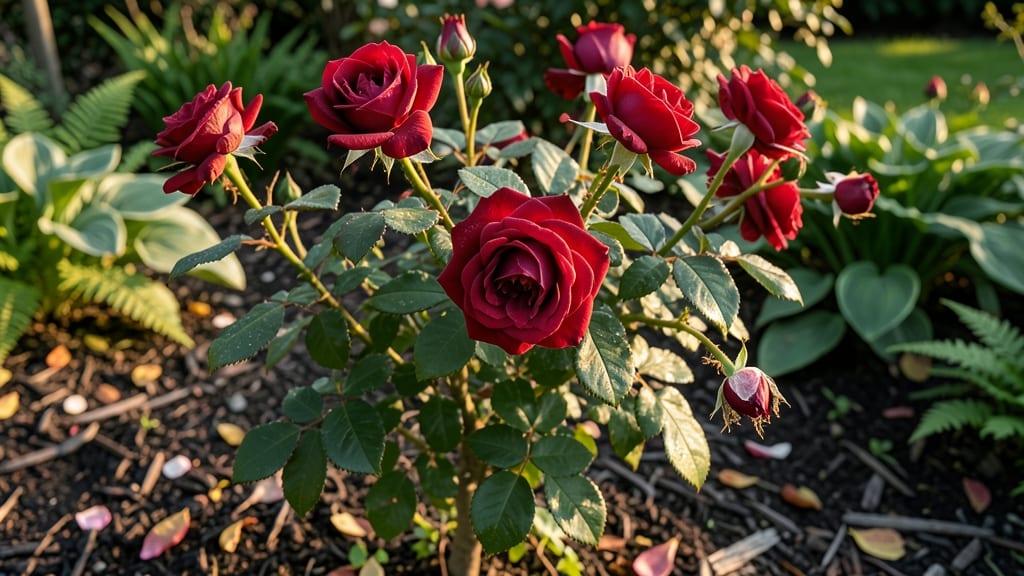
Roses bloom for 3 to 7 days per individual flower, with hybrid teas typically lasting 5-7 days, while climbers and shrubs often produce multiple blooms across 2-4 weeks. Proper deadheading and care can add 2-3 extra days to each bloom cycle.
Understanding rose bloom duration depends on the variety—each type has its own natural cycle. 🌹 For example, hybrid teas are known for their long-lasting single blooms, while shrub roses may produce clusters that refresh over weeks.
Seasonal factors like temperature and sunlight also play a role: roses often bloom longer in cooler spring weather than in hot summer months. The key to extending their lifespan lies in consistent care, from regular watering to strategic pruning.
What many gardeners don't realize is that bloom duration isn't just about genetics—it's also about environmental conditions. Roses planted in well-draining soil with adequate phosphorus and potassium thrive longer, while overwatering or poor air circulation can shorten their lifespan dramatically.
I've found that removing spent blooms (deadheading) isn't just about looks—it signals the plant to redirect energy toward new growth, which can sometimes add an extra day or two to each bloom cycle.
💡 In This Article
- Rose Bloom Duration by Variety: Days and Seasonal Patterns
- Proven Techniques to Prolong Rose Blooms Longer
Rose bloom duration by variety: days and seasonal patterns
The lifespan of individual rose blooms varies dramatically between varieties, primarily due to genetic differences in petal structure and water retention. Hybrid teas—like the classic 'Mister Lincoln'—typically showcase the longest individual bloom cycles, lasting 5-7 days when cared for properly.
Their tightly packed petals create a protective barrier that reduces water loss, while their sturdy stems support the heavy blooms without wilting prematurely. In contrast, floribunda roses such as 'Julia Child' produce clusters of smaller blooms that refresh every 3-5 days throughout their blooming season, creating a continuous display.
Seasonal temperature fluctuations play a crucial role in bloom duration. Roses often exhibit their longest individual blooms in spring (50-65°F), when cooler nights help preserve moisture in petals and slower metabolic rates reduce stress on the plant.
During summer heatwaves (above 85°F), bloom cycles typically shorten to 3-4 days as increased evaporation causes petals to crisp and wilt faster. This is why gardeners in hot climates often see their hybrid teas lasting only 4-5 days during peak summer months compared to 6-7 days in spring.
The contrast becomes even more pronounced with climber varieties like 'New Dawn,' which may produce multiple bloom cycles over 4-6 weeks during spring but struggle to maintain this frequency in summer's intense heat.
Reblooming versus once-a-year bloomers represents another key distinction. Shrub roses such as 'Knock Out' are famous for their continuous blooming habits, producing new flowers every 2-3 weeks throughout the growing season.
This occurs because they're genetically programmed to form buds continuously from new growth, rather than relying on a single flush of blooms.
In contrast, old garden roses like 'Souvenir de la Malmaison' typically bloom just once per year in late spring, with each bloom lasting 5-7 days but no subsequent flowers until the following season.
The difference lies in their growth habits—rebloomers invest energy in both flowers and foliage simultaneously, while once-bloomers focus all their resources on that single spectacular display.
Light exposure also creates subtle variations in bloom duration. Roses planted in full sun (6-8 hours daily) generally produce blooms that last 1-2 days longer than those in partial shade, as sunlight promotes stronger stems and better water regulation.
However, the trade-off is often more frequent but shorter-lived blooms in high-light conditions. For example, a 'Double Delight' rose might produce blooms that last 6 days in full sun but only 4-5 days when grown under 4-5 hours of sunlight.
This occurs because partial shade reduces the plant's ability to photosynthesize efficiently, leading to weaker stems and faster water loss through petals.
Consider these variety-specific bloom patterns when planning your garden:
- Hybrid Teas: 5-7 days per bloom, once-a-year (spring) unless heavily fertilized
- Floribundas: 3-5 days per bloom, continuous clusters over 6-8 weeks
- Climbers: 4-6 days per bloom, multiple cycles over 2-4 weeks
- Shrubs (e.g., Knock Out): 3-5 days per bloom, continuous from spring to frost
- Old Garden Roses: 5-7 days per bloom, single flush in late spring
The most dramatic seasonal exception occurs with autumn-blooming varieties like 'The Fairy.' These roses often produce their longest-lasting blooms (7-9 days) in fall temperatures (55-65°F) because the cooler nights combined with shorter days create ideal conditions for petal longevity.
This phenomenon occurs because the plant's metabolic rate slows naturally, allowing water retention systems to function more efficiently. 🌸