
How To
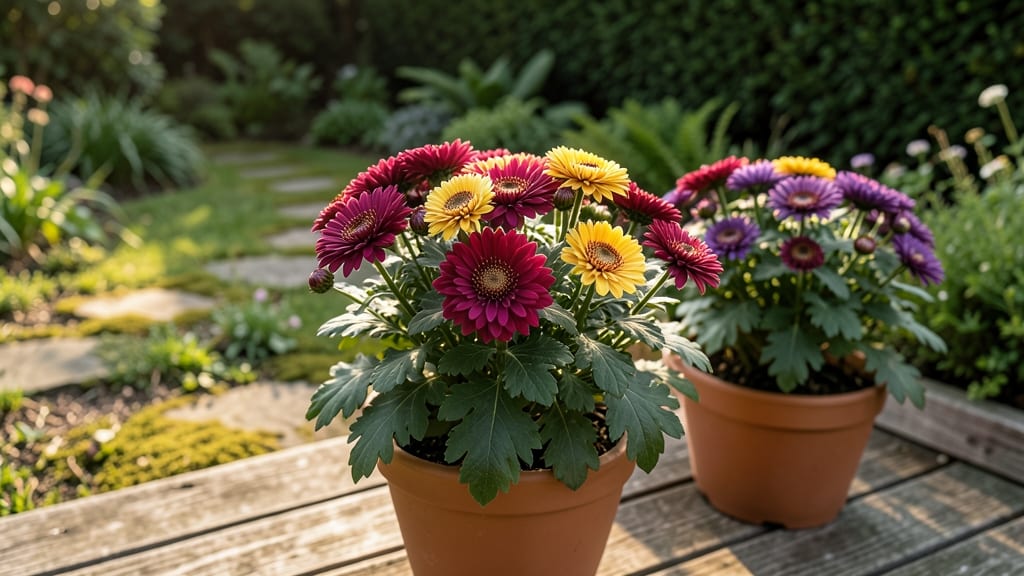
Mums in pots typically bloom for 4 to 8 weeks in ideal conditions, though this can vary widely based on the specific variety and seasonal factors.
When you choose the right mum varieties and provide consistent care, you can often push that bloom period closer to the upper end of the spectrum. 🌼 The key lies in selecting late-blooming cultivars like 'Autumn Joy' or 'Beauty Series,' which naturally resist early fading.
These varieties thrive in cooler temperatures and can maintain vibrant blooms well into fall, sometimes even extending into early winter with proper protection. What's interesting is how container-grown mums respond differently than garden-planted ones—their confined root systems mean they rely even more on your attention to watering and feeding schedules.
For maximum longevity, I recommend placing your potted mums in locations with morning sun and afternoon shade, especially during peak summer months. Overwatering is a common mistake that can shorten bloom time, so always let the top inch of soil dry out between waterings.
A balanced, slow-release fertilizer applied at planting time provides the nutrients needed for sustained flowering, while regular deadheading of spent blooms encourages new flowers to form.
💡 In This Article
- Factors That Extend Mum Flower Longevity in Containers
- Best Mum Varieties for Potted Long-Blooming Displays
Factors that extend mum flower longevity in containers
Mums thrive in containers because their compact root systems allow for precise care control, but this also makes them highly sensitive to environmental factors.
The most critical element is light exposure—mums need 6 to 8 hours of sunlight daily, but too much midday summer sun can scorch their petals and accelerate fading. I've noticed that varieties like 'Autumn Joy' handle afternoon shade better than 'Beauty Series,' which requires more consistent light.
The ideal placement is morning sun with afternoon shade, especially in hot climates where temperatures exceed 85°F.
Temperature plays a surprising role in bloom duration. Mums are cool-season plants, meaning they bloom best when nights dip to 50-60°F and days stay mild (70-75°F). Heat stress above 90°F triggers early dormancy, while sudden temperature swings can cause buds to drop.
This is why late-summer varieties (planted in July-August) often outlast early ones—by the time fall arrives, the cooler weather aligns perfectly with their natural blooming cycle. 🌼 The science here involves photoperiodism, where shorter daylight hours signal the plant to focus energy on flowering rather than foliage growth.
Watering habits directly impact how long mums stay vibrant. Containers dry out faster than garden soil, so checking moisture levels daily is essential. The top inch of soil should be dry before watering again—overwatering leads to root rot, which weakens the plant and shortens bloom time.
I've found that self-watering pots with drainage holes extend flowering by 2-3 weeks compared to standard plastic containers. Fertilizer type matters too: a balanced 10-10-10 formula applied every 2-3 weeks provides steady nutrients without promoting excessive leaf growth at the expense of flowers.
Deadheading—removing spent blooms—is another game-changer. This simple task redirects the plant's energy toward new flower production instead of seed development. I've seen potted mums with regular deadheading bloom for up to 10 weeks versus just 4-5 weeks without it.
The best time to deadhead is in the morning when the blooms are fully open, using clean pruners to avoid spreading disease. For extended displays, consider pinching back the stems by 1/3 in early summer to encourage bushier growth and more blooms later.
Soil composition also affects longevity. Mums prefer well-draining, slightly acidic soil (pH 6.0-6.5) rich in organic matter. A mix of 50% potting soil, 30% perlite, and 20% compost works wonders in containers.
This blend prevents waterlogging while providing the nutrients needed for sustained flowering. 💫 The right soil prevents nutrient deficiencies that cause weak stems and early bud drop—a common issue in poor-quality container mixes.
Finally, consider seasonal timing when selecting varieties. Early bloomers (like 'Purple Dome') may only last 4 weeks in hot climates, while late varieties (like 'Autumn Joy') can extend to 8 weeks with proper care.
The key is matching the variety to your local frost dates—planting in late summer ensures cooler fall temperatures align with peak blooming periods. This strategic timing is what separates a 4-week display from an 8-week showstopper.