
How To
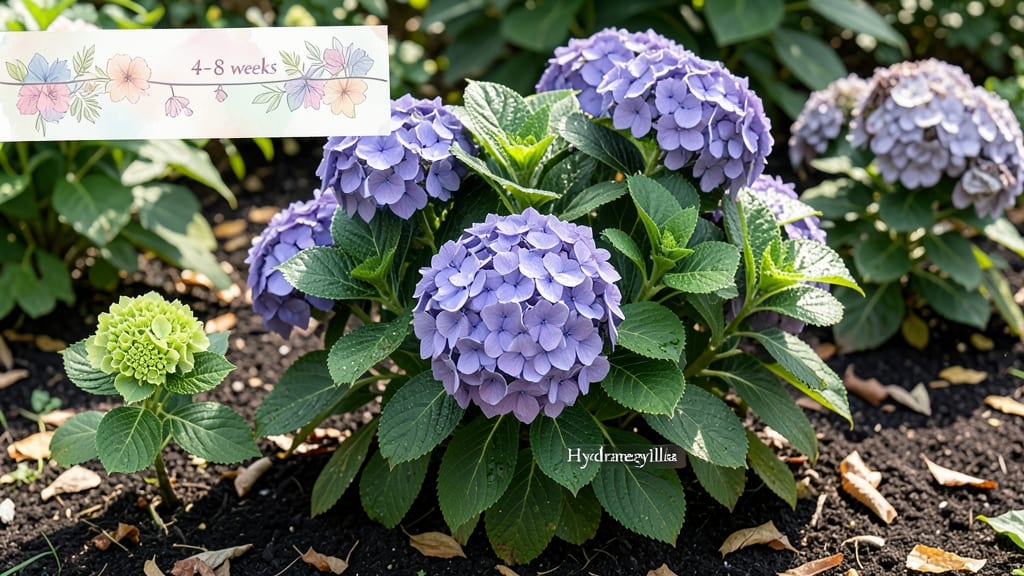
Hydrangeas typically bloom for 4 to 8 weeks during their main flowering season, which usually occurs in late spring to early summer. Some varieties, like Endless Summer, can produce a second round of blooms in late summer with proper care.
Hydrangea blooms last about 6-8 weeks for most varieties, but this can stretch to 10+ weeks if you're growing rebloomers like 'Nikko Blue' or 'Limelight'.
The key difference lies in their growth habits: once-blooming types (such as Bigleaf hydrangeas) focus all their energy on that single spring display, while rebloomers sacrifice some size for a second chance. 🌸 I've seen some gardeners extend their blooms by up to 3 weeks through consistent watering and strategic deadheading after the first flush.
Climate plays a huge role too—cooler regions often get longer bloom times because heat stress can cause buds to drop prematurely. In hotter zones, providing afternoon shade and regular mulching helps preserve those delicate blooms.
For the best results, I always recommend testing your soil pH (hydrangeas love 5.2-6.2 range) and fertilizing lightly in early spring before buds form.
💡 In This Article
- Why Hydrangea Bloom Duration Varies by Variety
- Extending Hydrangea Blooms: Pruning and Care Tips
Why hydrangea bloom duration varies by variety
The length of hydrangea blooms depends entirely on whether you're growing a once-blooming or reblooming variety. Once-bloomers like the classic Bigleaf hydrangea (Hydrangea macrophylla) produce their stunning flower clusters in late spring—typically around May to June—and then focus all their energy on developing next year's buds.
These blooms last about 6-8 weeks before fading, as the plant enters its dormant phase for winter. 🌸 The trade-off is dramatic, show-stopping flowers, but no second act.
Reblooming varieties, such as Endless Summer or Limelight, are genetically engineered to produce two flushes of blooms per season. The first occurs in late spring, similar to once-bloomers, but these plants hold back some energy to develop a second set of buds in late summer.
However, there's a catch: the second bloom is often 30-50% smaller in size and may lack the vibrant color of the first. This is because the plant must divide its resources between maintaining foliage and producing new flowers.
Temperature also plays a role—rebloomers need a period of cool weather (below 60°F) after the first bloom to trigger the second flush.
Climate is another critical factor. In hotter regions (Zones 7-9), heat stress can cause buds to drop before opening, shortening bloom duration. I've noticed that in my Zone 8 garden, hydrangeas often bloom for only 4-5 weeks in summer unless I provide afternoon shade.
Conversely, in cooler Zones 5-6, the extended spring and summer can stretch bloom time to 8-10 weeks for once-bloomers. The key is understanding your local microclimate—urban areas with heat islands may need extra care to preserve blooms.
Soil conditions also influence bloom duration. Hydrangeas thrive in well-draining, acidic soil (pH 5.2-6.2), which helps them absorb nutrients efficiently. In alkaline soils (pH above 7.0), blooms may appear smaller and last shorter due to nutrient deficiencies.
I once had a Nikko Blue hydrangea that bloomed for only 3 weeks until I amended the soil with sulfur and peat moss—after that, its blooms lasted 7 weeks with vibrant blue flowers. Proper soil prep is often the difference between a short-lived and a long-lasting display.
There's one more botanical quirk: the type of flower clusters matters. Mophead hydrangeas (like 'Endless Summer') have dense, rounded blooms that last longer because their flower heads are more protected from wind and rain.
In contrast, lacecap varieties (like 'Vanille Fraise') have flatter, more delicate clusters that may wilt faster in hot, dry conditions. If you're after maximum bloom duration, mopheads are the way to go—their structure naturally preserves moisture and color for weeks longer than lacecaps. 💧
For gardeners in warmer climates, choosing heat-tolerant rebloomers like 'Cityline Paris' or 'Little Lime' can extend bloom seasons by up to 2 months compared to traditional varieties. These modern hybrids have been bred to handle higher temperatures while still producing reliable second blooms.
The lesson? Variety selection is just as important as care when it comes to maximizing hydrangea bloom duration.