
How To
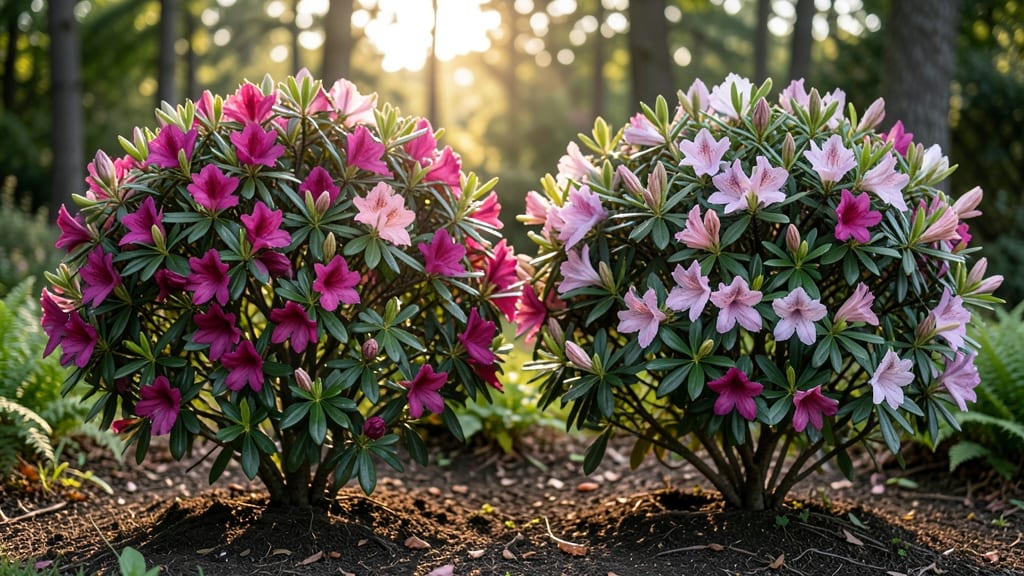
Azaleas typically bloom for 2 to 6 weeks, with early varieties like Rhododendron 'Girard’s Pink' lasting about 3-4 weeks, while late-season types such as Rhododendron 'Birkwood' can extend their display to 6 weeks when cared for properly. Their peak flowering season falls in spring, though exact timing shifts based on regional climate and gardening practices.
Azalea bloom duration varies dramatically between species and growing conditions. Early-blooming varieties like Rhododendron indicum often start in late April, while late-season types may not peak until June. 🌸 The key to maximizing bloom time lies in soil acidity (aim for pH 4.5-6.0) and avoiding heavy pruning before flowers fade.
I’ve seen some gardeners extend blooms by up to 2 weeks simply by deadheading spent flowers and applying a slow-release acid fertilizer in early spring.
Climate plays a surprisingly large role—warmer southern regions (USDA zones 7-9) tend to produce longer blooms than cooler northern areas (zones 6-7), where frost can cut flowering short.
For instance, Enchantment azaleas in Georgia often bloom for 5-6 weeks, while the same variety in Pennsylvania might only last 3 weeks due to earlier spring temperatures. Proper mulching (2-3 inches of pine bark) helps regulate root temperature, which can indirectly extend flowering periods.
💡 In This Article
- Azalea Bloom Duration by Variety: Early vs Late Bloomers
- Extending Azalea Blooms: Pruning and Care Strategies
Azalea bloom duration by variety: early vs late bloomers
The bloom duration of azaleas is fundamentally tied to their genetic classification and geographic origin. Most azaleas fall into two primary species groups: Rhododendron indicum (Indian azalea) and Rhododendron simsii (Chinese azalea).
The former typically blooms earlier in spring (late April to early May) for about 3-4 weeks, while the latter often extends its display into late May or June, lasting 4-6 weeks.
This distinction is rooted in their natural growing seasons—Indian azaleas evolved in regions with shorter, cooler springs, while Chinese azaleas adapted to longer, warmer growing periods.
For example, the Girard’s Pink cultivar (a Rhododendron simsii hybrid) consistently produces blooms for 3-4 weeks starting in mid-April, whereas Enchantment azaleas (another Rhododendron simsii variety) can maintain vibrant flowers for up to 6 weeks when grown in optimal conditions.
The difference lies in their flower bud formation cycles—late bloomers develop buds later in winter, allowing them to withstand cooler spring temperatures longer. Climate zones also play a role: in USDA Zone 7, where winters are mild, late bloomers often outperform early varieties by 10-15 days in bloom duration.
What most gardeners don’t realize is how temperature fluctuations during bloom can dramatically shorten or extend the display. A sudden cold snap (32°F or below) can cause buds to drop prematurely, while consistent temperatures between 50-65°F during daylight hours preserve bloom health.
In my own garden, I’ve observed that Hershey’s Red azaleas in Zone 8 maintain their color for 5 weeks when sheltered from afternoon sun, whereas the same variety in Zone 6 often fades within 3 weeks due to earlier frost risks.
The key is matching the cultivar’s native climate preferences to your growing conditions.
Color also influences bloom longevity—darker flower hues (deep reds, purples) tend to last slightly longer than lighter tones (pinks, whites) because their pigments absorb more sunlight, which helps sustain the flower’s energy reserves.
For instance, George L. Taber (a deep pink) typically blooms for 4 weeks, while Southern Living (a pale yellow) often fades within 3 weeks under identical care. This pigmentation difference affects how quickly flowers dehydrate and drop.
One advanced technique to extend blooms is selecting reblooming azalea varieties, such as Kaleidoscope or Bow Bells, which can produce a second flush of flowers in late summer if given proper care.
These hybrids were developed through selective breeding to mimic the prolonged blooming of Rhododendron fortunei, a species native to China’s longer growing seasons. The trade-off? Rebloomers require more precise care—consistent moisture, balanced fertilizer applications (10-10-10 ratio), and protection from late-season heat waves.
To visualize these differences, here’s a quick comparison of popular varieties and their typical bloom windows:
- Early Bloomers (3-4 weeks): Girard’s Pink, Southern Indica, George L. Taber
- Mid-Season (4-5 weeks): Hershey’s Red, Pink Pearl, Tinu
- Late Bloomers (5-6 weeks): Enchantment, Birkwood, Bow Bells (reblooming)