
Flowers
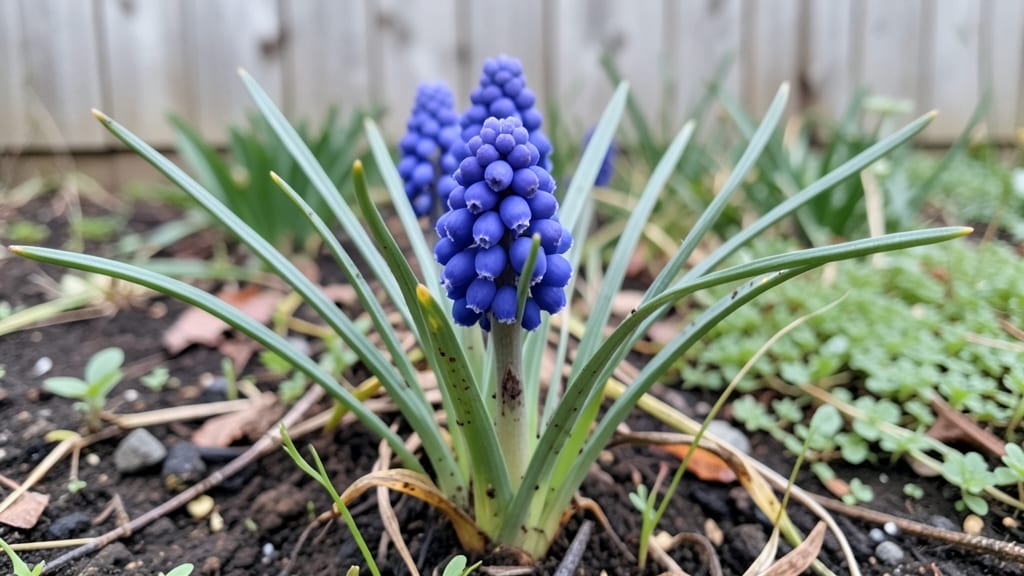
Planting grape hyacinth bulbs 🌷 in the fall unlocks a carpet of purple blooms by spring with almost no effort.
Picture your garden bursting with clusters of delicate purple blooms in early spring—grape hyacinths (Muscari) deliver that magical touch with minimal effort. But planting these charming bulbs at the wrong time or depth can leave you waiting for flowers that never appear.
For USDA Zone 6a gardeners, the ideal window runs from September to October, when soil cools but hasn’t frozen. Too early, and the bulbs may sprout before winter; too late, and they won’t establish roots in time for spring growth.
Below, I’ll walk you through the exact steps—soil prep, spacing, and care—to guarantee those vibrant purple clusters appear right on schedule.
Optimal planting times and zones for grape hyacinth bulbs
Timing is everything when planting grape hyacinth bulbs (Muscari), and the key to stunning spring blooms lies in understanding your USDA hardiness zone and local frost patterns. These bulbs thrive when planted in fall, allowing roots to establish before winter dormancy.
But if you live in milder climates, spring planting can also work—with adjustments. Let’s break down the best times and zones to maximize your success.
For most gardeners in USDA zones 3 through 9, fall planting between September and November is ideal. This window ensures bulbs root before the ground freezes. In cooler northern zones (3-5), aim for early fall (September), while warmer southern zones (7-9) can extend planting until late fall (November).
Always plant at least 6 weeks before the first frost—this rule is non-negotiable for bulb health.
If you miss the fall window, don’t despair! Spring planting is possible in zones 7-9, but bulbs must go in the ground as soon as soil temperatures drop below 60°F (around October).
In these regions, grape hyacinths can even naturalize, returning year after year with minimal care. However, spring-planted bulbs may take 1-2 years to bloom compared to their fall-planted counterparts.
Here’s the critical factor: frost timing. Grape hyacinths need cold stratification to break dormancy, so planting too early (when soil is still warm) can trigger premature sprouting. Use your last frost date as a guide—count backward 6-8 weeks to determine your planting window.
For example, if your last frost is April 15, plant bulbs by mid-to-late October.
Regional microclimates also play a role. In Pacific Northwest zones (6-8), mild winters may allow planting into December, while Midwest zones (4-6) should finish by early November.
Coastal areas with milder winters (e.g., California Zone 9) can plant later, but avoid planting when soil temps exceed 65°F, or bulbs may rot.
Now, let’s talk USDA hardiness zones in detail. Grape hyacinths are remarkably adaptable, thriving from zone 3 (Alaska, northern Canada) to zone 9 (Florida, southern California). However, their bloom timing shifts based on zone.
In zone 3, expect flowers in late May, while zone 9 gardeners can enjoy blooms as early as March. This variation is why aligning planting with your zone’s chill hours is crucial.
One common mistake is assuming all fall-planted bulbs follow the same timeline. In high-altitude zones (e.g., Colorado’s zone 5), planting in August (instead of September) gives bulbs enough time to root before early freezes.
Conversely, in humid southeastern zones (7-8)October to avoid fungal issues from prolonged soil moisture.
To simplify, here’s your grape hyacinth planting cheat sheet for zones 3-9, including frost dates and ideal months:
Pro tip: Use a soil thermometer to confirm ground temps are below 60°F before planting in fall. If temps rise above 70°F
Grape hyacinth bulbs (Muscari) thrive when planted at the right depth, spacing, and in the perfect soil conditions. These tiny bulbs pack a big punch, but they need precise care to reward you with those iconic purple clusters. I’ve planted hundreds of bulbs over the years, and I’ve learned that even small mistakes—like planting too shallow or skipping soil prep—can mean the difference between a showstopping spring display and a disappointing flop. Start by choosing a location with well-draining soil and partial shade to full sun. Grape hyacinths tolerate a range of light, but they’ll bloom best with at least 4-6 hours of sunlight daily. If your garden is shady, don’t worry—they’ll still grow, though the blooms might be slightly smaller. The key is to mimic their natural habitat: moist but never soggy soil with a slightly alkaline pH (around 6.5-7.0). Loosen the soil to a depth of 8-10 inches using a garden fork. Mix in 2-3 inches of compost or well-rotted manure to improve drainage and fertility. If your soil is heavy clay, add a handful of sand or perlite to prevent waterlogging. Dig holes 2-3 inches deep—about 3 times the height of the bulb. Place each bulb with its pointy end facing up and the flat base down. This ensures the bulb grows straight and avoids future crowding. Space bulbs 4-6 inches apart in all directions. While they’re small, grape hyacinths multiply quickly, and overcrowding can lead to smaller blooms or fewer flowers. If planting in clusters, leave 12 inches of space between groups for easy maintenance. Pair grape hyacinths with spring bulbs like tulips or daffodils for a layered look. They also thrive alongside perennials like lavender or catmint, which deter pests. Avoid planting near aggressive spreaders like creeping thyme, which can smother them. Water the soil thoroughly after planting to settle the bulbs. Apply a 1-inch layer of mulch (like straw or shredded leaves) to retain moisture and suppress weeds. Avoid piling mulch directly against the bulbs, as this can cause rot. Once planted, grape hyacinths are low-maintenance. Water weekly during dry spells but reduce in winter. In early spring, apply a light fertilizer (like 10-10-10) when shoots emerge. After flowering, let the foliage yellow naturally—this feeds the bulb for next year’s blooms! One of my favorite tricks is to plant grape hyacinths in containers for patio displays. Use a pot with drainage holes and a well-draining potting mix. Since they’re small, you can fit 6-8 bulbs in a 12-inch container, creating a stunning mini garden. Just remember to water containers more frequently—they dry out faster than in-ground plantings. If you’re planting in clay-heavy soil or an area prone to winter wetness, consider raising the bulbs slightly by planting them on a mound of soil or sand. This prevents rot and ensures they get the aeration they need. Over the years, I’ve seen grape hyacinths naturalize beautifully in lawns, but if you choose this option, avoid mowing until after the foliage yellows—this is when the bulb is storing energy for next spring. With these steps, your grape hyacinths will reward you with vibrant purple blooms that appear like magic in early spring. The secret? Patience and precision—these bulbs are tough but finicky about their conditions. Once established, they’ll multiply and return year after year with almost no effort from you. Happy planting! 🌷Step-by-step planting guide: depth, spacing, and soil tips
How to Plant Grape Hyacinth Bulbs for Vibrant Spring Blooms