
Flowers
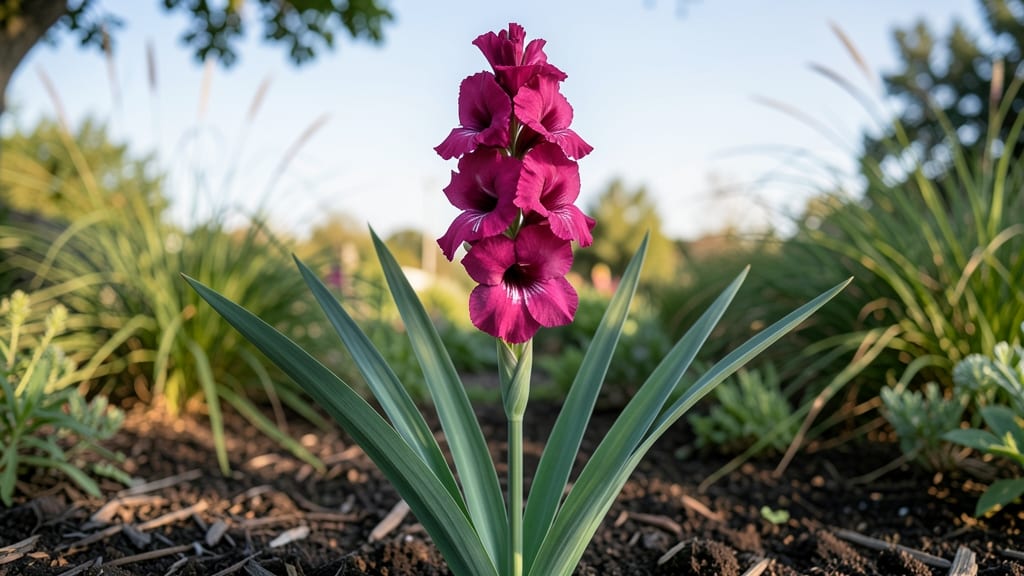
The gladiolus flower bloom time is typically 6 to 8 weeks after planting, turning your garden into a vibrant display from early summer through fall.
Picture this: you’ve carefully planted your gladiolus corms in April or May, and by July or August, your garden is bursting with towering spikes of 🌸 blooms in every color imaginable.
But here’s the catch—timing isn’t one-size-fits-all. Whether you’re in USDA Zone 6a or a warmer region, the right planting window and care can shift your blooms from early summer showstoppers to late-season stars.
What if you want to control when those stunning flowers appear? The secret lies in understanding your hardiness zone, soil prep, and sunlight needs. With the right adjustments, you can coax blooms to open earlier for cut arrangements or stretch their season well into autumn.
In this guide, I’ll break down the exact bloom windows for popular varieties, how climate affects timing, and 5 pro tips to fine-tune your gladiolus schedule—so you’re never left waiting for those dramatic 🌸 spikes to shine.
Gladiolus bloom time by variety: when to expect flowers
Gladiolus flowers are nature's fireworks—each variety bursts into color at its own time, creating a sequential summer show in your garden. Understanding their bloom windows lets you plan for nonstop color from early June through September.
Early bloomers like 'Green Star' kick off the season, while late varieties like 'Black Star' keep the party going until frost. Here's how to time your gladiolus planting for maximum impact.
Most gladiolus varieties follow a 6- to 8-week flowering cycle after planting, but their peak bloom periods shift based on when you plant. Spring-planted corms typically flower in mid-to-late summer, while fall-planted varieties may bloom earlier the following year.
The key is selecting varieties that overlap bloom times to create a continuous floral display. Let's dive into the specifics of popular varieties and their predictable bloom schedules.
| Variety | Bloom Time | Height | Color | Notes |
|---|---|---|---|---|
| Green Star | Early summer (June) | 3-4 ft | Lime green | First to bloom; great for cut flowers |
| Picasso | Mid-summer (July) | 4-5 ft | Multi-color (pink/white) | Dramatic bicolor blooms; attracts pollinators |
| Black Star | Late summer (August) | 4-5 ft | Deep purple-black | Striking contrast; thrives in heat |
| White Prosperity | Mid-to-late summer (July-August) | 3-4 ft | Pure white | Symbolic variety; long vase life |
| Attila | Late summer (August-September) | 4-5 ft | Red with yellow | Heat-tolerant; extends season |
The Green Star variety is my go-to for early summer color. When planted in late April, it typically blooms in early June, giving you a head start on the season. Its lime green blooms create a vibrant contrast against other summer flowers.
For a mid-summer splash, 'Picasso' delivers with its striking bicolor blooms that appear around mid-July when planted in early May.
'Black Star' is a late-season star that won't disappoint if you want fall color. Plant its corms in early June for blooms that appear in late August, just as other flowers begin to fade.
This variety's deep purple-black blooms add drama to your garden and provide a bold contrast to lighter summer flowers. For a pure white statement, 'White Prosperity' blooms in mid-to-late summer and brings an elegant touch to any arrangement.
If you're aiming for extended seasonal interest, combine early, mid, and late bloomers in your garden. For example, plant 'Green Star' in late April, 'Picasso' in early May, and 'Black Star' in early June.
This staggered planting creates a continuous bloom from June through September. The key is maintaining consistent soil moisture and full sun exposure to encourage healthy growth and timely flowering.
Don't forget that gladiolus height varies by variety, which affects their placement in your garden. Taller varieties like 'Picasso' and 'Black Star' (4-5 feet) work well at the back of borders or in cutting gardens.
Shorter varieties like 'Green Star' (3-4 feet) can be placed in front beds or container gardens. When arranging your garden, consider both bloom time and plant height to create a visually balanced display that evolves throughout the season.
For cut flower arrangements, timing is everything. Harvest gladiolus stems when the lower buds open fully but before the
How hardiness zones affect gladiolus bloom timing
If you've ever wondered why your neighbor's gladiolus blooms in June while yours don't appear until August, the answer lies in your USDA hardiness zones. These zones determine when your gladiolus corms should be planted to ensure perfect bloom synchronization with your local climate.
Understanding this relationship lets you plan your garden for stunning seasonal displays that align with your region's natural rhythms.
Gladiolus flowers typically take 6-8 weeks to bloom after planting, but their optimal planting window shifts dramatically depending on your zone.
In warmer climates like Zone 9, you might see blooms as early as late May, while gardeners in Zone 5 often wait until mid-August for their first flowers. This variation creates opportunities to extend your garden's color palette throughout the summer.
For gardeners in cooler climates (Zones 3-6), aim to plant gladiolus corms 4-6 weeks before your last frost date. This timing ensures the corms establish roots before the ground warms enough to trigger active growth.
In my Zone 5 garden, I plant in early May to guarantee blooms by mid-July, just in time for summer weddings and garden parties.
Warmer zones (7-11) offer more flexibility. You can plant gladiolus year-round in Zone 10, with staggered plantings every 2-3 weeks to create a continuous bloom display from spring through fall.
In Zone 9, I often plant my first batch in early February for blooms by April, then follow with additional plantings in March and April for extended color.
Adjusting your planting schedule by just 2-4 weeks can shift bloom times dramatically. For example, planting in late April instead of early May in Zone 6 might delay blooms by 3 weeks. Use this strategy to create sequential blooms that keep your garden vibrant from early summer through fall.
Just be sure to choose varieties suited to your zone—some tropical varieties thrive in Zone 10 but may struggle in Zone 7.
Pro tip: Use mulch in cold zones to protect corms from early frosts and extend the growing season. In my Zone 4 garden, a thick layer of straw around planted corms has helped me push bloom times back by nearly 2 weeks.
Combine this with proper soil preparation—gladiolus love well-draining, slightly sandy soil—and you'll be well on your way to perfect bloom timing every season.