
Blooming
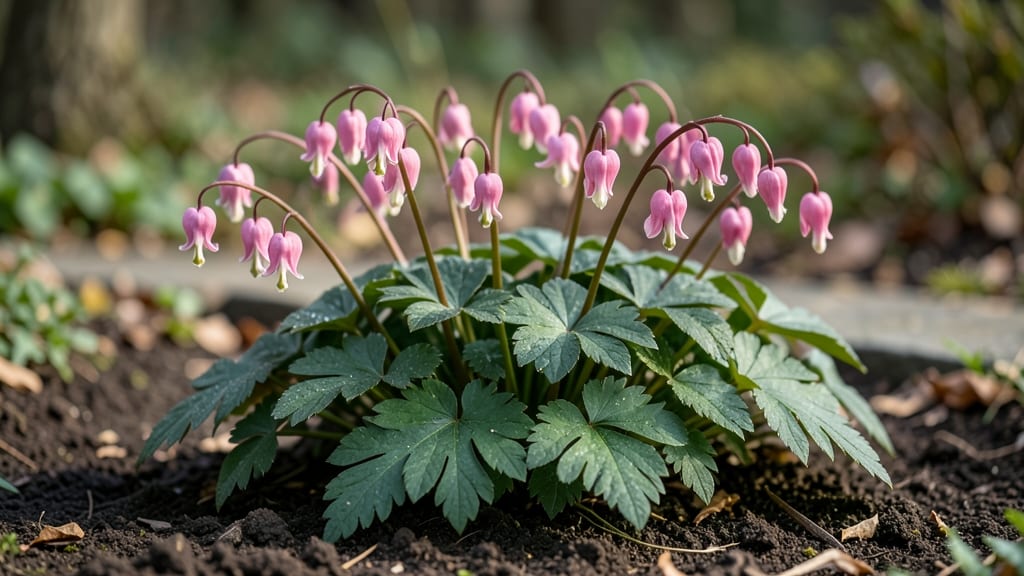
The bleeding heart flower bloom time is a cold-triggered spectacle that turns early spring gardens into dreamy purple canopies 💔 — but only if you plant at the right moment.
If you’ve ever dreamed of a garden bursting with heart-shaped blooms, timing is everything—especially for bleeding hearts, whose delicate spikes are triggered by cold weather rather than heat.
That means planting too early or too late can leave you staring at bare stems when your neighbors’ gardens are in full swing.
Most varieties burst into bloom between March and April in USDA Zone 6a, but warmer regions may see them pop as early as February, while cooler climates could delay the show until late spring.
The key? Planting in early spring (March–April) ensures your 💔 gets a head start on the cold snap it craves.
Below, I’ll break down how to predict your local bloom window, the best care tips to extend those lush spikes, and even how to coax a second round of flowers in the right conditions. Let’s make sure your garden steals the show!
When do bleeding heart flowers bloom? Seasonal patterns and cold-triggered timing
Bleeding heart flowers (Dicentra spectabilis) are famous for their heart-shaped blooms that appear when most gardens are still waking up. Unlike sun-loving plants, these beauties thrive when temperatures dip, making them a cold-triggered spring spectacle.
Their bloom cycle is tightly linked to temperature shifts, typically starting in late winter or early spring and lasting through early summer.
The magic happens when your region experiences consistent chilling hours (30-40°F nights) followed by warming days. This vernalization process signals the plant to produce those iconic pink, white, or red spikes.
In warmer climates (USDA zones 7-9), you might even see a second flush of blooms in late summer after summer rains.
To predict your local bloom window, check your USDA hardiness zone and average last frost date. In zone 5, blooms typically appear by mid-April, while zone 8 gardeners might see flowers as early as February.
The key is watching for consistent nighttime temps below 40°F followed by daytime warmth.
For northern climates (zones 3-5), expect the main bloom in April-May, with foliage lasting until frost. In warmer zones (7-9), you'll often get two blooming periods: spring and late summer. This second flush happens when summer heat breaks and rains return, mimicking the spring trigger.
Your plant's age and health also affect timing. Established plants (3+ years old) bloom earlier and more prolifically than young specimens. To encourage early blooms, plant in partial shade and amend soil with organic compost before winter. Avoid over-fertilizing in fall, as this can delay spring blooming.
If you're in a warmer microclimate, try planting bleeding hearts in shadier spots or near north-facing walls to create cooler conditions. Some gardeners in zones 7-9 report year-round foliage with intermittent blooms if they provide consistent moisture and protection from intense afternoon sun.
Watch for bud formation in late winter - this is your first sign blooms are coming! The buds will swell and turn pinkish-green before opening.
In my own garden (zone 6), I mark my calendar for March 15 as the earliest possible bloom date, though we usually see flowers by late March.
Pro tip: Plant bleeding hearts near early spring bulbs like snowdrops or crocuses to create a sequential bloom display. The heart-shaped flowers will appear just as tulips are waking up, extending your spring color palette by weeks. Pair them with hostas or ferns for long-lasting shade combinations.
Remember, bleeding hearts are perennials, meaning they'll return year after year if given proper care. With the right planting location and seasonal maintenance, you can enjoy their delicate blooms for decades. The secret to consistent blooming lies in understanding their cold-triggered nature** and working with your local climate patterns.
How to extend bleeding heart bloom time with pruning and care tips
Bleeding heart flowers (Dicentra spectabilis) typically burst into bloom for just 4-6 weeks in early spring, but with the right care, you can coax them into a second flush later in the season.
The key lies in understanding their unique growth patterns and responding with targeted pruning and soil management. Many gardeners miss the opportunity for extended blooms because they don’t recognize the subtle signals these plants send after their initial display.
Unlike heat-loving annuals, bleeding hearts rely on cool temperatures to trigger flowering. This means your pruning and feeding schedule should align with seasonal shifts rather than a rigid calendar.
For example, a late spring pruning can encourage a second bloom cycle in late summer or early fall—if your climate allows it. Let’s break down the exact steps to maximize your plant’s potential.
Step-by-Step Guide to Extending Bloom Time
- Deadhead after initial bloom: Once the first flush of flowers fades, snip spent blooms back to the first set of healthy leaves. This redirects energy to foliage growth, which stores nutrients for future blooms.
- Apply balanced fertilizer: In early summer, feed with a 10-10-10 fertilizer to encourage robust foliage. Use 1 tablespoon per plant and water thoroughly to prevent root burn.
- Prune lightly in mid-summer: Cut back any leggy stems by one-third to promote bushier growth. This step is crucial for compact plants that may sprawl after their first bloom.
- Mulch heavily in late summer: Add a 3-inch layer of organic mulch (like shredded bark) to insulate roots and protect them from temperature swings that trigger dormancy.
- Water deeply in fall: Before the first frost, give your bleeding hearts a deep soak to hydrate roots for winter. This helps them store moisture for early spring growth.
- Avoid winter pruning: Never prune in winter, as this removes next year’s flower buds. Instead, wait until early spring to trim any damaged stems.
One of the most common mistakes I see is over-pruning after the first bloom. Many gardeners assume cutting everything back will encourage new growth, but bleeding hearts need their foliage to photosynthesize and store energy.
If you remove too much leaf surface, you’ll weaken the plant and reduce next year’s blooms. Instead, focus on selective pruning—only removing dead or damaged stems.
For gardeners in USDA zones 5-7, where winters are cold but summers are mild, a second bloom cycle is often possible. The trick is to keep the plant healthy through the summer months.
I’ve had success with varieties like ‘Strawberry Fields’ and ‘Alba’ producing a modest second flush in late August if given consistent moisture and partial shade.
In hotter climates (zones 8-9), the plant may enter dormancy earlier, so focus on protecting it from summer heat rather than pushing for a second bloom.
Don’t overlook the power of soil amendments either. Bleeding hearts thrive in rich, moist, well-draining soil with a pH between 6.0 and 7.5. Before planting, mix in compost or aged manure to provide a steady supply of nutrients.
Over time, this improves root health and encourages stronger, more frequent blooms. I’ve found that plants grown in amended soil often produce 20-30% more blooms per stem compared to those in average garden soil.
Finally, remember that patience is key. Extending bloom time takes consistent care over multiple seasons. Start with these techniques this year, and you’ll likely see a noticeable difference in next year’s flowering.
With the right approach, your bleeding hearts can become a year-round star in your shade garden, not just a fleeting spring beauty. 💔