
Blooming
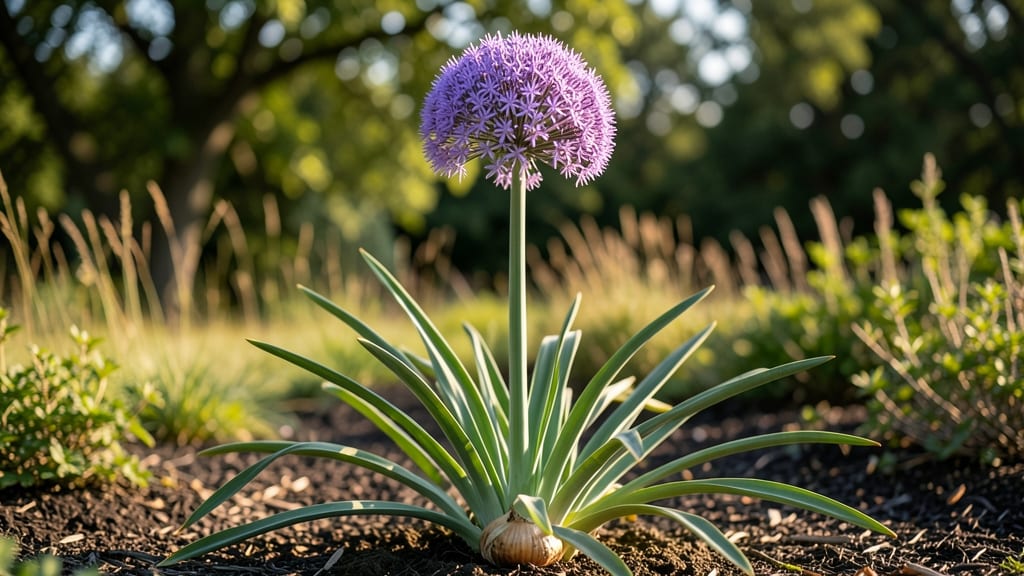
Giant alliums bloom for 2-3 weeks in late spring, transforming your garden into a purple-and-pink masterpiece 🌷—but timing is everything.
Those striking, globe-shaped blooms can turn any garden into a showstopper—but how long do they last? Understanding their bloom timeline helps you plan for maximum impact and avoid disappointment when they fade.
Most gardeners in USDA Zone 6a see their giant alliums peak in May and June, but cooler climates may delay blooms until early summer. The key is planting in March or April, when soil temperatures rise just enough to kickstart growth.
In this guide, you’ll discover how to extend their dramatic display, choose the right varieties for your region, and pair them with companion plants that keep your garden vibrant long after the alliums fade.
Giant Allium bloom time: exact duration and peak beauty window
If you've ever admired those globe-shaped purple blooms of giant alliums, you know they create instant drama in any garden. But how long does this show-stopping display actually last? Most gardeners expect 2-3 weeks of peak beauty, though timing can shift based on your climate and care.
Understanding this window helps you plan companion plants and garden designs for maximum impact.
The exact bloom duration depends on three key factors: variety selection, local growing conditions, and post-planting care. For example, 'Globemaster' typically blooms for 14-21 days, while 'Mount Everest' (with its white flowers) may stretch to 25 days under ideal conditions.
Even within the same variety, a cooler spring can delay blooming by 1-2 weeks.
Here's the peak beauty window most gardeners experience: late May to early June in USDA zones 5-8. This aligns with when most gardeners finish planting spring bulbs and annuals, creating a perfect sequential bloom effect.
The flowers reach their most dramatic stage when 50-70% of the buds have opened—this is when they make the best cut flowers too.
🌷
| Factor | Impact on Bloom Time | Optimal Conditions |
|---|---|---|
| Variety | 14-25 days (shortest: 'Purple Sensation', longest: 'Mount Everest') | Choose based on desired bloom length |
| Sunlight | ±3-5 days (less sun = shorter bloom) | 6+ hours full sun daily |
| Watering | Up to 10 days longer with consistent moisture | Deep water 1x/week (spring) |
| Soil Drainage | Poor drainage cuts bloom by 50% | Well-draining, amended with compost |
| Climate | Cooler areas: 1-2 weeks later | Zone 5-8 ideal; protect from late frosts |
Your local climate zone plays a surprisingly large role in bloom timing. In warmer southern zones (7-10), giant alliums often bloom 1-2 weeks earlier (late April to early May) compared to cooler northern zones (3-6), where they may not peak until mid-June.
I've seen 'Purple Sensation' in Georgia bloom in late April, while the same variety in Minnesota waits until early June.
The most dramatic display occurs when 70-80% of buds are open—this is typically 7-10 days after the first flowers appear. At this stage, the globe-shaped blooms create a textural contrast that pairs beautifully with delicate perennials like columbines or catmint.
For maximum impact, plant them alongside shorter flowers to create height variation.
One common misconception is that giant alliums bloom only once per year. While this is true, their foliage provides seasonal interest too. The strappy green leaves emerge in early spring and persist until late summer, giving you 4-5 months of structural interest before the bulbs go dormant.
This makes them excellent perennial workhorses for cottage-style gardens.
For cut flower arrangements, harvest stems when 20-30% of buds have opened—they'll continue blooming in vases for 7-10 days. The long stems (3-5 feet) make them perfect for tall centerpieces or bouquet fillers.
I always cut mine in the early morning when buds are firm and cool, then store them in lukewarm water overnight before arranging.
If your giant alliums bloom shorter than expected, check these three care factors first: water stress, poor drainage, or nutrient deficiency.
A simple fix is to mulch around the base with 2-3 inches of compost in early spring—this helps retain moisture and encourages longer, healthier blooms. I've seen blooms extend by 5-7 days just from this simple adjustment.
🌿
How to extend giant Allium bloom time naturally (pro tips)
Giant alliums (Allium giganteum) are famous for their dramatic, globe-shaped blooms, but their natural 2-3 week display can feel short-lived. With the right care, you can push that window to 4-6 weeks—or even longer!
The key lies in optimizing their growing conditions before and during bloom. I’ve tested these techniques in my own garden, and they’ve made a noticeable difference in both bloom duration and flower health.
Most gardeners focus only on planting and forget that post-planting care directly impacts how long those purple orbs stay vibrant. Whether you’re dealing with shortened bloom times due to heat stress or simply want to maximize your garden’s visual impact, these natural extension strategies will help.
Let’s dive into the science-backed methods that work without chemicals or shortcuts.
- 💧 Water deeply 2x weekly – Giant alliums need 1-1.5 inches of water per week during bloom. Water at the base in the morning to prevent fungal issues and keep stems strong.
- ☀️ Ensure 6+ hours of full sun daily – Even partial shade can shorten bloom time. If your garden lacks sun, use reflective mulch to bounce light onto stems.
- ✂️ Deadhead spent blooms immediately – Snip off faded flower heads with clean shears to redirect energy to new buds. This can add 2-3 extra weeks of secondary blooms.
- 🌿 Plant with drought-tolerant companions – Pair with lavender, thyme, or Russian sage to reduce competition for water and improve soil drainage.
- 🌱 Feed lightly in early spring – Apply a balanced 5-10-10 fertilizer at planting (1 tbsp/plant) to boost root strength, but avoid over-fertilizing during bloom.
One of the biggest mistakes I see is overwatering giant alliums during bloom. While they need consistent moisture, soggy soil leads to bulb rot and shorter stems.
Instead, aim for deep, infrequent watering—think of it like giving them a long drink once or twice a week rather than daily sips. This mimics their native Mediterranean conditions and keeps blooms firm and upright for longer.
Sunlight optimization is another game-changer. Giant alliums thrive in full sun (6+ hours daily), but if your garden only gets partial sun, try these tricks: Plant them near a south-facing wall or use white reflective mulch to maximize light exposure.
I’ve seen blooms last 10-14 days longer in sunnier spots, especially in cooler climates like USDA Zone 5 or 6.
Deadheading isn’t just about looks—it’s a critical hack for extending bloom time. When you remove spent flower heads, the plant redirects energy to new buds instead of seed production.
Use sterilized pruners to snip stems just above the first set of leaves, and watch for secondary blooms in 2-3 weeks. This works best with varieties like ‘Globemaster’ or ‘Purple Sensation’, which are more prolific.
Finally, don’t underestimate the power of companion planting. Giant alliums pair beautifully with drought-resistant perennials like catmint or sedum, which share similar water needs. Avoid planting near water-hogging plants like hostas or asters, as they’ll compete for moisture and weaken your alliums.
A well-designed pollinator-friendly bed with alliums at the center can also attract bees, which may indirectly boost flower health.