
Blooming
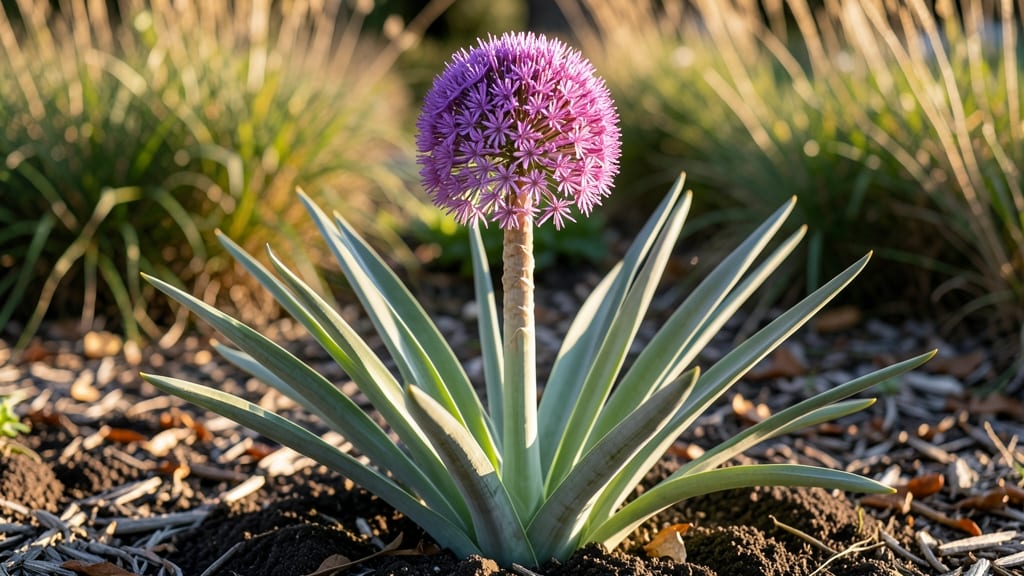
Timing the Allium giganteum bloom time right transforms your garden into a breathtaking purple spectacle 🌷 when those globe-shaped flowers peak.
If you’ve ever dreamed of dramatic, towering purple blooms that turn your garden into a showstopper, Allium giganteum is your plant—but timing is everything. Knowing exactly when these globe-shaped flowers will burst into bloom in your hardiness zone can mean the difference between a stunning display and missed opportunities.
For gardeners in USDA Zone 6a, like where I plant mine, the bloom window typically opens in May and lasts through early June. But cooler springs or earlier planting can shift that by weeks, so understanding your local climate is key.
Below, I’ll break down the exact months by zone, how to extend that showy bloom time, and what to avoid if you want those 4-foot-tall spikes to shine all season.
Allium giganteum bloom time by USDA plant hardiness zones
Timing your Allium giganteum planting for the perfect bloom season depends entirely on your USDA hardiness zone. These towering purple globes thrive in zones 3 through 9, but their bloom windows shift dramatically across regions.
In colder zones like 3-5, expect blooms to arrive later in the season compared to warmer zones 6-9, where they often emerge earlier and last longer.
Understanding these variations helps you plan companion plants and maximize garden impact. For example, pairing Allium giganteum with early spring bloomers in zone 9 creates a seamless transition, while in zone 5, you’ll want to coordinate with late-season perennials to extend visual interest.
Let’s break down exactly when to expect those showstopping purple spikes in each zone.
| USDA Zone | Early Bloom | Peak Bloom | Late Bloom | Planting Time |
|---|---|---|---|---|
| 3-4 | Mid-June | Late June - Early July | Early August | September-October |
| 5-6 | Late May | Early June - Mid-June | Late June | September |
| 7-8 | Early May | Mid-May - Early June | Late May | August-September |
| 9 | Late April | Early May - Mid-May | Early June | July-August |
Note: Bloom times may shift 1-2 weeks based on local microclimates and rainfall patterns.
In zones 3-4, where winters are harsh, Allium giganteum bulbs need 90-120 days of cool temperatures before blooming. This means planting in early fall (September-October) ensures they’re ready to burst into color by mid-June.
The peak bloom window here is short—just 2-3 weeks—so plan your garden layout to highlight them during this time.
Gardeners in zones 5-6 enjoy a more extended bloom period, with flowers appearing as early as late May and lasting until late June. This makes them perfect for late-spring garden parties or weddings, as their 4-5 foot height adds dramatic vertical interest.
Plant bulbs in September for optimal results, allowing roots to establish before winter.
Warmer climates in zones 7-8 see the earliest blooms, often starting in early May. The peak bloom period here is mid-May to early June, providing a stunning early-season show.
Since these zones have milder winters, you can also plant bulbs in late winter (February-March) for a slightly earlier display. Just ensure they’re in well-draining soil to prevent rot.
For those in zone 9, Allium giganteum is a year-round gardener’s dream. Blooms can appear as early as late April, with the peak in early May.
This early timing allows you to combine them with spring ephemerals like crocuses or daffodils for a layered look. Plant bulbs in July-August to avoid summer heat stress.
The full lifecycle of Allium giganteum includes 6-8 weeks from first bloom to flower fade. After blooming, the foliage will yellow and die back naturally. Leave it in place until it fully browns—this helps the bulb store energy for next year’s display.
In zones 3-5, you may see foliage re-emerge in early spring before blooming again, while warmer zones often produce one dramatic bloom cycle per year.
Pro tip: To extend bloom time, deadhead spent flowers by snipping off the faded globe but leaving the foliage intact. This redirects the plant’s energy toward next year’s blooms rather than seed production. In drought-prone zones, mulch around the base to retain moisture and encourage a longer display.
Remember, these timelines are general guidelines. Local microclimates, soil conditions, and even neighborhood elevation can shift bloom times by 1-3 weeks. Keep a garden journal to track your Allium giganteum’s performance and adjust future plantings accordingly.
With the right timing, these towering beauties will be the star of your garden for years to come! 🌷
How to extend Allium giganteum bloom time with proven techniques
Want your Allium giganteum to stay in bloom longer? These towering purple globes deserve extra attention to extend their showstopping display. The key lies in creating ideal growing conditions that delay natural senescence while keeping the plant healthy and vigorous.
With the right approach, you can push bloom duration by 2-3 weeks or more compared to average garden performance.
Start with soil preparation—this plant thrives in well-draining, nutrient-rich soil with a pH between 6.0-7.0. Amend heavy clay with compost or sand to prevent waterlogging, which can stress roots and shorten bloom time.
I always add a 3-inch layer of compost before planting to provide slow-release nutrients that support extended flowering.
-
1. Optimize Soil Drainage
Plant in well-draining soil with 20% organic matter to prevent root rot. Use raised beds in heavy clay areas for best results. -
2. Water Deeply in Morning
Provide 1 inch of water weekly during bloom season, always in early morning to reduce fungal risks and maintain moisture levels. -
3. Maximize Sun Exposure
Ensure 6+ hours of direct sun daily. South-facing locations with afternoon shade in hot zones (8+) will extend bloom by 10-14 days. -
4. Use Mulch Strategically
Apply 2-3 inches of mulch (straw or shredded bark) to retain moisture and regulate soil temperature, which helps sustain blooms longer. -
5. Companion Plant Wisely
Pair with low-competition plants like lavender or catmint to reduce stress. Avoid aggressive feeders like sunflowers that compete for nutrients.
Don't overlook the power of fertilization timing. I've found that applying a balanced 10-10-10 fertilizer in early spring—just as shoots emerge—provides the nutrients needed for robust growth without promoting excessive foliage that can shorten bloom time.
Avoid late-season feeding, as this can stimulate new growth at the wrong time and reduce overall bloom duration.
Another game-changer is pruning spent blooms. While this won't extend the current year's display, it encourages stronger bulb development for next season's even longer blooms.
I always remove faded flower heads once they brown, but leave the foliage until it yellows naturally to allow the plant to replenish energy for future growth.
For gardeners in warmer zones (8-9), consider providing afternoon shade during peak summer months. This prevents heat stress that can cause premature wilting. A simple lightweight shade cloth (30%) during the hottest hours can make a noticeable difference in bloom longevity.
With these techniques combined, you'll transform your Allium giganteum from a fleeting spring highlight into a prolonged garden centerpiece that keeps turning heads well into early summer. The extra effort pays off with 2-4 weeks of extended purple glory that's sure to impress your neighbors.