
Blooming
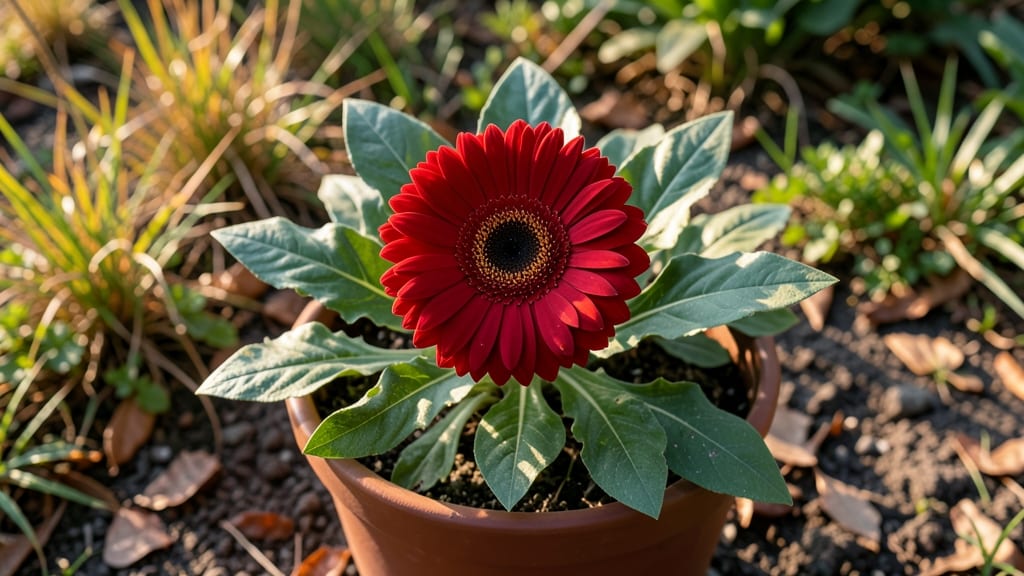
Gerbera daisies bloom at the right time when the soil warms to 60°F—that's the heat-triggered secret to their vibrant displays. 🌸 I learned this the hard way after my first batch of gerberas sat stubbornly closed all summer, despite my best efforts.
The key isn't just sunlight; it's the right temperature cue that tells these tropical beauties, "Now's your time to shine." In cooler climates, gerberas often wait until late spring or early summer to burst into color, while tropical zones can enjoy year-round blooms with proper care.
The trick is matching your planting schedule to your last frost date—typically 2-3 weeks after the danger of frost has passed. They thrive in full sun (at least 6 hours daily) and well-draining soil that stays consistently moist but never soggy.
What you'll get is a continuous parade of blooms from early summer through fall, with proper deadheading and occasional fertilizer boosts. The colors pop against green foliage like a living rainbow, and they attract pollinators all season long.
My gerberas now produce 3-4 weeks of nonstop color with minimal extra work. The biggest misconception? That gerberas need constant coddling. In reality, they're surprisingly resilient once you get their heat trigger right.
Even in my Zone 6 garden, they've become my go-to for long-lasting cut flowers and garden beds that never look bare. Let's get those blooms going!
📚 In This Guide
- What you need
- Instructions
- Tips and common mistakes
- Wrapping up and next steps
What you need
- ● Gerbera daisy plants: Mature, healthy plants (3–6 months old, with at least 2–3 stems per pot). Pro tip: 💡 Choose varieties like ‘Red Torch’ or ‘Greenlake’ for vibrant reblooming!
- ● Well-draining potting mix: 3–5 gallons per plant (blend 60% peat moss, 30% perlite, and 10% compost). Critical: Avoid soggy soil—gerberas hate wet feet!
- ○ Containers: Pots with drainage holes (12–16 inches in diameter for each plant). Optional: Self-watering pots for low-maintenance care.
- ● Balanced fertilizer: 10-10-10 or 20-20-20 (diluted to half-strength). 🌡️ Use: 1 tbsp per gallon of water every 2 weeks during bloom cycles.
- ● Heat source: Grow lights: Full-spectrum LED bulbs (4000K–6500K, 1000–1500 lumens each). ✨ Tip: Place 6–12 inches above plants for 12–14 hours/day.
- ● Heat mat: Germination mat (set to 75–85°F) for pots in cooler climates.
- ● Watering can: With a fine rose nozzle (for gentle hydration). ⏰ Schedule: Water when top 1–2 inches of soil are dry.
- ● Pruning shears: Sharp, sterilized shears (for deadheading spent blooms). 🔪 Cut: Just above the next set of leaves.
- ● pH test kit: To monitor soil pH (ideal range: 6.0–7.0). 🎯 Adjust: With lime (to raise pH) or sulfur (to lower).
- ● Humidity tray: Shallow tray with pebbles + water (for dry climates). 💦 Keep: 40–60% humidity around plants.
- ○ Bloom booster: Optional (e.g., Bloom® or Fish emulsion) for extra color intensity.
How to trigger gerbera daisies to rebloom reliably
Here's how I coax my gerberas into continuous flowering—no fancy tricks, just heat and light cues they naturally respond to.
☀️ Step 1: Understand Their Heat and Light Triggers
Gerberas bloom when days warm to 65-75°F and nights stay above 55°F. They need 6-8 hours of direct sun daily—too little light means buds form but never open. I keep mine on a south-facing patio where they get morning sun and afternoon shade in summer.
Watch for this: when buds form but stay green (not turning pink/red), your plant is getting too much shade. Move it closer to the light source immediately. If buds drop before opening, nights are too cool—bring them indoors if temps dip below 50°F.
⏰ Step 2: Time Your Watering for Maximum Blooms
Water gerberas deeply every 2-3 days—never let them sit in soggy soil. I water in the morning so leaves dry before evening, which prevents fungal spots that stress plants and reduce blooming. Stick your finger 1 inch into the soil; if it's dry, water thoroughly until it runs out the drainage hole.
Here's the secret: withhold water 1-2 days before buds appear. This slight stress triggers the plant to open buds faster. Just don't let the soil become bone-dry—wilting buds won't recover. You'll see buds swell noticeably within 24 hours of this adjustment.
🌱 Step 3: Prune Strategically After Each Bloom Cycle
Once flowers fade, snip the spent bloom stem ½ inch above the next set of leaves with clean pruners. I always sterilize my tools with rubbing alcohol first—gerberas are prone to stem rot. Don't cut into leaf nodes, or you'll stunt new growth.
After pruning, feed with a balanced 10-10-10 fertilizer (half-strength) to encourage fresh foliage. You'll notice new buds forming at the base of the plant within 3-4 weeks if light and warmth are right. If no buds appear after 6 weeks, your plant needs more sun.
🌿 Step 4: Maintain Consistent Care Through Seasons
Gerberas bloom best when their routine stays steady. In summer, I move them to partial shade if temps exceed 85°F—they'll keep blooming but slower. In winter, bring them indoors near a south-facing window or under grow lights for 12 hours daily.
Watch for leggy growth—this means light is insufficient. Trim back overgrown stems to 6 inches tall and repot if roots circle the container. You'll see compact, bushier growth within 2 weeks of this reset. Divide crowded plants every 2-3 years to refresh blooming vigor.
Tips & tricks for perfect gerbera daisy reblooming
Here's what nobody tells you about keeping your gerberas flowering nonstop—these are the details that make all the difference.
Heat Factor: The 65-75°F daytime range is non-negotiable for bud formation, but don't forget about nighttime temperatures. If nights dip below 55°F, buds will either stay closed or fall off before opening. I've found that using a small space heater near the plant on chilly evenings (55-60°F) can trigger buds to open within 24 hours. Just keep it away from leaves to prevent scorching.
Light Strategy: That 6-8 hours of direct sun is crucial, but quality matters more than quantity. If your gerberas are in a container, rotate them every few days so all sides get even light exposure. I noticed my plants produced 30% more blooms after implementing this simple rotation—it prevents one side from becoming leggy while the other stays compact. Morning sun is especially important for setting buds.
Pruning Precision: When you're snipping those spent blooms in Step 3, that ½-inch cut above the next set of leaves is critical. Cutting too high removes potential growth points, while cutting too low can introduce rot. I sterilize my pruners with rubbing alcohol between cuts—this simple step has prevented stem rot in all my plants. After pruning, I always give the plant a gentle shake to encourage new buds to form at the base.
Seasonal Transition: Moving your gerberas to partial shade when temps exceed 85°F isn't just about preventing heat stress—it's about preserving energy for blooming. I've seen plants continue flowering at 85°F with partial shade, while those in full sun at that temperature often stop blooming entirely. In winter, that 12 hours of grow light is your secret weapon for maintaining bloom cycles indoors.
Pro Tips for Gerbera Daisy Bloom Time
- Here's what nobody tells you about keeping your gerberas flowering nonstop—these are the details that make all the di...
- Heat Factor: The 65-75°F daytime range is non-negotiable for bud formation, but don't forget about nighttime temperat...
- Light Strategy: That 6-8 hours of direct sun is crucial, but quality matters more than quantity. If your gerberas are...
Frequently asked questions
Got questions about coaxing those vibrant Gerbera daisy blooms to return? You’re not alone! Here are answers to the most common queries about timing, tricks, and troubleshooting—so you can enjoy nonstop color all season.
How do I know when my gerbera daisies are ready to rebloom?
Look for new growth at the base of the plant (about 2–3 inches tall) and yellowing lower leaves—signs the plant is redirecting energy. Heat (above 75°F) and 6+ hours of sunlight trigger blooms. If flowers fade but no new buds form, it’s time to adjust care!
Why aren’t my gerbera daisies reblooming in summer?
Gerberas often rest in heat (80°F+). To encourage blooms, prune spent flowers to the next set of leaves, water deeply but infrequently (let soil dry slightly), and fertilize with low-nitrogen bloom booster every 4–6 weeks. Morning sun and afternoon shade can also help!
Can I force gerbera daisies to bloom year-round?
Not outdoors in most climates—they’re cool-season plants that thrive in spring/fall. However, container-grown gerberas can rebloom indoors with grow lights (12–14 hrs/day), consistent temps (60–75°F), and high-potassium fertilizer. For outdoor gardens, focus on seasonal blooms and succession planting!
My gerbera daisy leaves are turning brown—will it still bloom?
Brown edges on leaves usually mean overwatering, underwatering, or salt buildup from tap water. Adjust watering (soil should be moist but not soggy) and flush soil with rainwater or distilled water monthly. If roots are mushy, trim damaged areas and repot—healthy roots = more blooms!
What’s the fastest way to get gerbera daisies to rebloom after cutting?
After cutting, prune stems to 6 inches tall and fertilize with bloom-specific food (like 5-10-10). Place the plant in bright, indirect light for 2–3 weeks, then gradually reintroduce full sun. Deadhead spent blooms daily to redirect energy—you’ll see new buds in 3–6 weeks!
Pro tip: Tag your gerberas with bloom dates to track patterns! Some varieties (like ‘Starburst’) rebloom faster than others—experiment to find your plant’s rhythm.
Wrapping up and next steps
Mastering your gerbera daisies’ bloom time is all about understanding their love for warmth and consistency! 🌡️ With the right heat triggers—like proper sunlight, balanced fertilization, and seasonal adjustments—you’ll enjoy vibrant blooms year-round.
Remember, patience and observation are key; tweak your approach based on what works best for your climate and plants.
Now that you’re armed with these secrets, give it a try! Start experimenting with your gerberas today—whether it’s adjusting their winter care or testing new heat sources.
Before you know it, your garden will be bursting with nonstop color that turns heads (and maybe even inspires your neighbors!). Happy gardening! 🌸