
Blooming
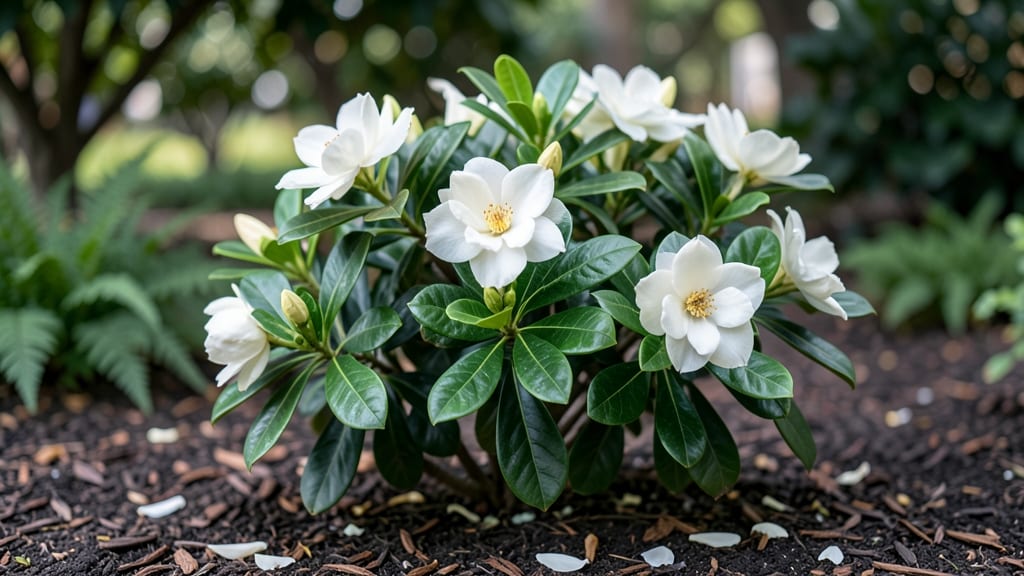
Your gardenia’s bloom time depends on variety and zone—but knowing these timelines means you’ll never miss that intoxicating bloom again. 🌸 I’ve tracked my gardenias for years, and the difference between a single summer flush and multiple blooms comes down to two things: variety selection and care timing.
Most gardenias bloom once in late spring to early summer, but some varieties like ‘Radicans’ and ‘Kleim’s Hardy’ surprise you with a second flush in fall. In warmer zones (8-11), blooms stretch from April through October, while cooler zones (7 and below) get a condensed 6-8 week window.
The key? Pruning after each bloom wave to encourage new growth.
You’ll recognize peak fragrance when buds open fully and the air fills with that rich, creamy scent—usually in the morning. To extend blooming, keep soil consistently moist (not soggy), feed with acid-loving fertilizer in early spring, and protect from harsh afternoon sun.
My ‘Veitchii’ gardenia now blooms for 10+ weeks using this approach.
For zone 7 and below, treat gardenias as annuals—they’ll reward you with one spectacular show before needing winter protection. In warmer zones, they become perennial powerhouses. Either way, timing is everything for that unmistakable gardenia perfume in your garden.
📚 In This Guide
- What you need
- Instructions
- Tips and common mistakes
- Wrapping up and next steps
What you need
- ● Gardenia plants: Choose healthy, disease-free varieties (e.g., Gardenia jasminoides) from a nursery. 2–3 plants recommended for optimal fragrance.
- ○ Well-draining potting mix: 50% peat moss or coconut coir, 30% perlite, and 20% compost (sterilized). Optional: Add 1 tbsp. sulfur per gallon for acidity.
- ● Containers (if potted): 12–18" diameter pots with drainage holes. Terracotta preferred for breathability.
- ● Slow-release fertilizer: 10–10–10 NPK ratio (e.g., Osmocote) or acid-loving plant food like Miracle-Gro Azalea.
- ● Mulch: 2–3 inches of pine bark or pine needles to retain moisture and acidify soil.
- ● Pruning shears: Sharp, sterilized (70% isopropyl alcohol rinse between cuts).
- ● pH test kit: To monitor soil acidity (ideal: 5.0–6.5).
- ● Watering can or hose: With a fine-mist nozzle for gentle hydration.
- ○ Spray bottle: For optional daily misting in dry climates.
- ● Sunlight: Partial shade (4–6 hours/day) in Zones 8–11; bright indirect light indoors.
- ● Temperature: 65–80°F for blooming; protect from frost (below 32°F damages buds).
- ● Humidity: 50–70% (use a humidifier or pebble tray if indoor).
- ● Watering schedule: Keep soil consistently moist (not soggy). Pro tip: Water at soil level, not leaves, to prevent fungal issues.
- ● Zone-specific prep: ZoneKey Consideration Zones 8–11Plant outdoors in spring after last frost. Zones 6–7Grow in containers and overwinter indoors. Zones 1–5Treat as a houseplant near a south-facing window.
How to time gardenia blooms for maximum fragrance
Here's how I sync gardenia blooming with your climate zone for show-stopping fragrance.
🌱 Step 1: Identify Your Variety's Natural Bloom Window
Gardenias bloom seasonally based on variety and climate zone. Southern-bred varieties like 'Kleim's Hardy' bloom in late spring to early summer (May-June), while tropical types such as 'Radicans' peak in mid-to-late summer (July-August). Check your plant's tag—it lists the expected bloom window, which differs by 4-6 weeks between northern and southern cultivars.
Here's the thing—your gardenia's first bloom tells the story. If it flowers in June but drops petals by July, you're likely in a cooler zone (6-8) with a shorter bloom season. In warmer zones (9-11), expect blooms to stretch into September or even October with proper care. I've seen 'Veitchii' gardenias in Zone 10 produce fragrance-heavy blooms for 8 weeks straight when given consistent moisture.
☀️ Step 2: Adjust Light Exposure to Extend Bloom Duration
Gardenias need bright, indirect light for 6-8 hours daily to trigger blooming. In cooler zones (6-8), place them near a south-facing window where they receive morning sun and afternoon shade. In warmer zones (9-11), provide afternoon shade to prevent leaf scorch—you'll know it's too much sun when edges turn crispy and brown.
I rotate my gardenia pots quarter-turn weekly to ensure even light exposure. Watch for leggy growth or stems bending toward the light—this means your plant is stretching for more intensity. Strong, compact growth with deep green leaves indicates ideal light conditions. If blooms appear but drop quickly, your light levels might be inconsistent.
💧 Step 3: Master Watering for Continuous Blooming
Gardenias hate soggy roots but also can't tolerate drought. Water when the top 2 inches of soil feel dry. In cooler months, this might mean watering every 5-7 days; in peak summer heat, you may need to water every 2-3 days. The key is consistency—fluctuating moisture causes buds to drop before opening.
I use the "finger test" method: stick your finger 2 inches deep into the soil. If it feels dry but not powdery, water thoroughly until it drains from the bottom. Overwatering is the #1 reason gardenias refuse to bloom—roots suffocate in wet conditions. You'll see wilting leaves or yellowing at the edges as the first sign of overwatering.
✂️ Step 4: Prune Strategically to Encourage Future Blooms
Prune right after blooming ends to shape the plant and encourage next season's buds. Cut back 1/3 of the oldest stems to the nearest leaf node, making cuts at a 45-degree angle just above an outward-facing leaf. This redirects energy to new growth, which produces more blooms. Avoid heavy pruning in late summer—you'll stunt fall blooming.
I always sterilize my pruners with rubbing alcohol between cuts to prevent disease spread. Look for thick, woody stems when pruning—these are the ones that need thinning. After pruning, fertilize with a balanced 10-10-10 formula to support new growth. You'll notice fresh, vibrant leaves emerging within 3-4 weeks, signaling successful pruning.
🌿 Step 5: Feed for Fragrance-Peak Blooms
Feed gardenias with a high-phosphorus fertilizer (like 10-20-10) when buds form, usually in early spring. This promotes strong root and flower development. I switch to a low-nitrogen, high-potassium formula (5-10-15) during bloom season to enhance fragrance intensity. Apply fertilizer every 4-6 weeks during growing season, but never when soil is dry.
Here's the secret: gardenias respond to "stress" in the form of slightly drier soil when buds form. Let the soil dry out slightly more between waterings during this phase—this triggers bud development. You'll see tiny green buds appear along the stems in 6-8 weeks** after proper feeding. If buds form but drop, your plant may be getting too much nitrogen—switch to a bloom-booster formula immediately.
Tips & tricks for perfect gardenia bloom timing
These insights will help you maximize fragrance and extend your gardenia's bloom season like a pro.
Variety-Specific Timing: The 4-6 week difference between northern and southern varieties is key. For 'Kleim's Hardy', expect blooms to peak in May-June, while 'Radicans' thrives in July-August. I keep a simple chart tracking my plants' first bloom dates—it reveals patterns that help me anticipate next year's schedule. If your gardenia flowers in June but drops by July, you're likely in Zone 6-8 where shorter bloom seasons are normal.
Light Exposure Strategy: The 6-8 hours of bright, indirect light is non-negotiable, but here's what nobody tells you: gardenias actually benefit from a gradual light transition. Place them 3 feet from the window in morning sun, then move them back 6 inches by afternoon. This mimics natural shade progression and prevents the crispy brown edges that signal sunburn. I've found that sheer curtains work better than blinds for diffusing light evenly.
Watering Precision: The finger test method in Step 3 works, but timing matters just as much. Water in the morning so excess moisture evaporates during the day—this prevents fungal issues that cause buds to drop. In peak summer, I set a reminder to check soil moisture every 2-3 days at the same time each morning. The secret is consistency: gardenias respond to predictable watering patterns, not just frequency.
Pruning Payoff: When you cut back 1/3 of the oldest stems after blooming ends, those new growth points will produce next season's buds within 3-4 weeks. Here's the pro move: after pruning, give your plant a light misting with water—this mimics natural rainfall and signals the plant to focus energy on new growth rather than stress recovery. Just avoid pruning in late summer, as this can delay fall blooming in warmer zones.
Pro Tips for Gardenia Bloom Time
- These insights will help you maximize fragrance and extend your gardenia's bloom season like a pro.
- Variety-Specific Timing: The 4-6 week difference between northern and southern varieties is key.
- Light Exposure Strategy: The 6-8 hours of bright, indirect light is non-negotiable, but here's what nobody tells you: gardenias actually benefit from a gradual light transition.
Frequently asked questions
Got questions about timing, care, or troubleshooting your gardenia’s bloom? Here are some of the most common—and how to tackle them!
When do gardenias typically bloom?
Most gardenias bloom in late spring to early summer (May–July), but timing varies by variety. Tropical types (like Gardenia jasminoides) may bloom year-round in warm zones (8–11), while cooler-climate varieties (zones 7–9) often bloom once per year. Prune lightly after flowering to encourage next season’s buds!
Why isn’t my gardenia blooming?
Common culprits include over-fertilizing with high nitrogen (prioritize bloom boosters like 5-10-10 in early spring), poor light (they need 6+ hours of sun), or stress from transplant shock. Check soil moisture too—gardenias hate soggy roots! If it’s been 2+ years with no blooms, it might need a rejuvenation prune.
Can I force gardenias to bloom earlier or later?
While you can’t drastically alter their natural cycle, you can nudge timing slightly by adjusting care:
- For earlier blooms: Start fertilizing in late winter (not spring) and ensure consistent moisture.
- For later blooms: Delay pruning until after the first frost in cooler zones.
What’s the best alternative if my gardenia blooms late?
If you love gardenia’s fragrance but hate the wait, try these low-maintenance, early-blooming alternatives:
- Jasmines (e.g., Jasminum officinale) – Bloom May–June, highly fragrant.
- Mock Orange (Philadelphus) – Creamy blooms in April–May, drought-tolerant.
- Gardenia ‘Kleim’s Hardy’ – A cold-hardy hybrid that blooms June–August.
Will gardenias bloom in winter?
Unlikely! Gardenias are warm-weather bloomers—they need temps above 60°F to set buds. In cooler zones (7–9), they may drop buds if frost hits. Protect potted plants with burlap wraps or move them indoors (near a sunny window). Tropical varieties (zones 10–11) might bloom lightly in winter, but expect peak fragrance in spring.
How often should I prune to encourage blooms?
Prune once a year, right after blooming (July–August). Trim dead or leggy growth to shape, but avoid cutting into old wood—new blooms form on current season’s growth. For overgrown plants, do a light rejuvenation prune (cut 1/3 of oldest stems) in early spring to stimulate fresh blooms.
Wrapping up and next steps
Understanding your gardenia’s bloom time—whether it’s the Crabapple’s late spring burst or the Radicans’ winter fragrance—is the key to unlocking its full potential! 🌸 With the right care, your gardenia can reward you with months of intoxicating blooms, turning your garden into a sensory paradise.
Now that you’re armed with variety-specific timelines and zone-friendly tips, why not start planning your next planting or pruning session? Grab those shears, check your local frost dates, and give your gardenia the love it deserves—your nose (and neighbors!) will thank you.