
Flowers
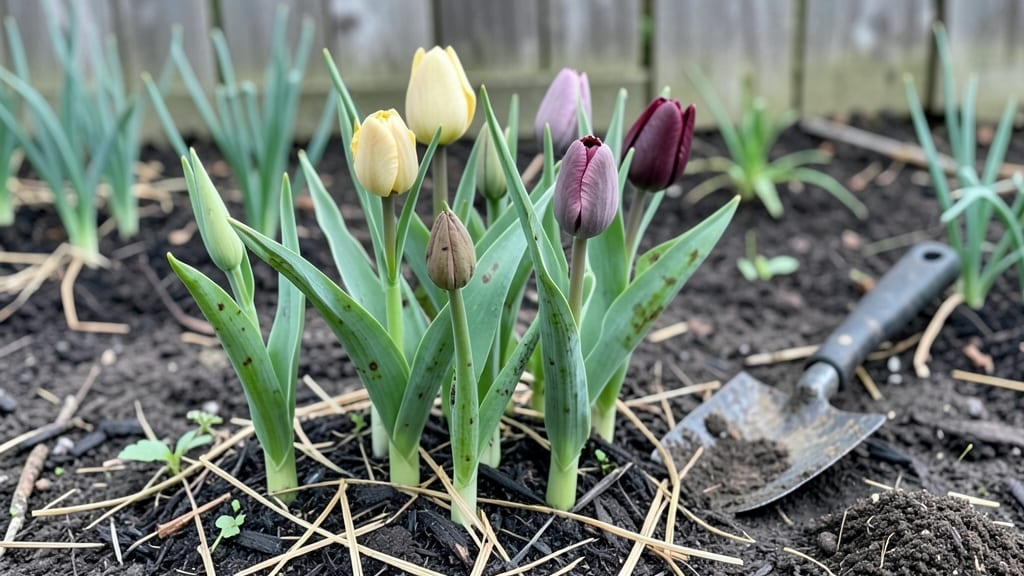
Planting garden tulip bulbs in fall is the secret to those showstopping spring blooms 🌷 — but timing and depth make all the difference.
Spring’s vibrant blooms start with the right timing and technique—planting tulip bulbs too early or too deep can mean fewer flowers and more frustration. Master these key steps to ensure your garden bursts with color year after year.
Most gardeners overlook the chilling requirement tulips need, which is why they sometimes fail to bloom. The right soil prep, spacing, and planting depth (about 6-8 inches deep) set the stage for strong roots and stunning flowers.
In this guide, I’ll break down the best planting window for your zone, how to prep your soil, and the spacing tricks that keep tulips thriving for years—not just one season.
Best planting timeline for tulip bulbs by US hardiness zones
Timing is everything when planting tulip bulbs—too early and they’ll rot, too late and they won’t bloom. The key is planting when soil temperatures drop below 60°F (15°C) but before the ground freezes.
This ensures bulbs get the chilling period they need to produce vibrant spring flowers. Your USDA hardiness zone dictates the perfect window, so let’s break it down by region.
In zones 3-6, where winters are cold and long, you have a wider window—typically from late September to mid-November. In warmer zones 7-9, plant between mid-October and December to avoid summer heat stress.
For zone 10+, where winters are mild, plant in late fall to early winter (November-January) to mimic natural chilling conditions.
Here’s a quick reference to help you plan:
| Zone | Ideal Planting Window | Soil Temp | Notes |
|---|---|---|---|
| 3-6 | Late September–Mid November | Below 60°F | Long chilling period |
| 7-9 | Mid October–December | Below 65°F | Avoid summer heat |
| 10+ | November–January | Cool season | Simulate winter chill |
Regional adjustments matter too. In areas with early frosts, like zone 3, aim for planting by October 15th to ensure bulbs root before the ground freezes.
In zone 9, where summers are long, plant by November 1st to avoid heat stress that can cause bulbs to sprout prematurely. For zone 10+, consider pre-chilling bulbs for 8-12 weeks in the fridge before planting.
If you miss the ideal window, don’t panic. Bulbs can handle light frosts and will still bloom, though they may produce fewer flowers. For late plantings, use a thick mulch layer (3-4 inches) to protect bulbs from freezing. This extra insulation gives roots time to establish before winter sets in.
Pro tip: Mark your planting spots with stakes or flags so you don’t accidentally dig up bulbs in spring. Tulips need 6-8 weeks of chilling to bloom, so timing is critical for those late-season varieties like Darwin Hybrids, which often bloom 2-3 weeks later than early types.
For gardeners in transition zones (like zone 6b or zone 7a), check your local last frost date and plant 4-6 weeks before the first expected frost. This gives bulbs enough time to root but avoids the risk of rot from soggy soil in early winter.
Finally, remember that bulb size matters. Larger bulbs (size 12/14) can handle slightly later planting than smaller ones. If you’re unsure, err on the earlier side—tulip bulbs won’t bloom if they don’t get enough cold exposure.
With the right timing, you’ll enjoy bold, healthy blooms every spring for years to come.
How deep and spaced to plant tulip bulbs for maximum blooms
Planting tulip bulbs at the right depth and spacing ensures strong stems and vibrant blooms. Too shallow, and they’ll rot; too crowded, and flowers will compete for nutrients. Aim for 4-6 inches deep and 4-6 inches apart—this balance prevents weak stems and promotes healthy foliage growth.
Before planting, prepare your soil with organic matter like compost to improve drainage. Tulips hate soggy roots, so avoid heavy clay soils. A light, well-draining mix encourages root development and prevents diseases like bulb rot.
Work in a handful of bone meal or balanced fertilizer to give your bulbs a nutrient boost for spring.
⚠️ callout warning
- Planting too shallow (under 4 inches) exposes bulbs to frost heave and rot.
- Overcrowding bulbs (less than 4 inches apart) leads to weak stems and fewer flowers.
- Skipping soil prep—compacted or poor-draining soil suffocates roots.
Pro Tip: Use a trowel to dig holes—consistent depth ensures uniform growth.
For optimal spacing, place bulbs 4-6 inches apart in rows. This gives stems room to develop without competing for sunlight or nutrients. If you’re planting in clusters (like for cut flowers), space rows 8-12 inches apart to allow easy access for maintenance.
Remember, tulips multiply over time—leaving space prevents overcrowding in future years.
After planting, cover the area with 2-3 inches of mulch to insulate bulbs from temperature swings. Use straw or shredded leaves—avoid thick layers that can smother emerging shoots. Water lightly after planting to settle the soil, but avoid overwatering, which can drown bulbs before roots establish.
In USDA Zones 3-6, plant bulbs in October-November for best results. Warmer zones (7-9) can wait until November-December. The key is to plant when soil temperatures drop below 60°F—this triggers bulb dormancy and prepares them for spring growth.
Test your soil’s moisture; bulbs need consistent dampness but not soggy conditions.
Once planted correctly, tulips reward you with bold, long-lasting blooms. Avoid disturbing the soil in spring—let foliage yellow naturally to feed the bulb for next year’s flowers. With the right depth, spacing, and soil prep, your tulips will thrive for years. Happy planting! 🌷