
Blooming
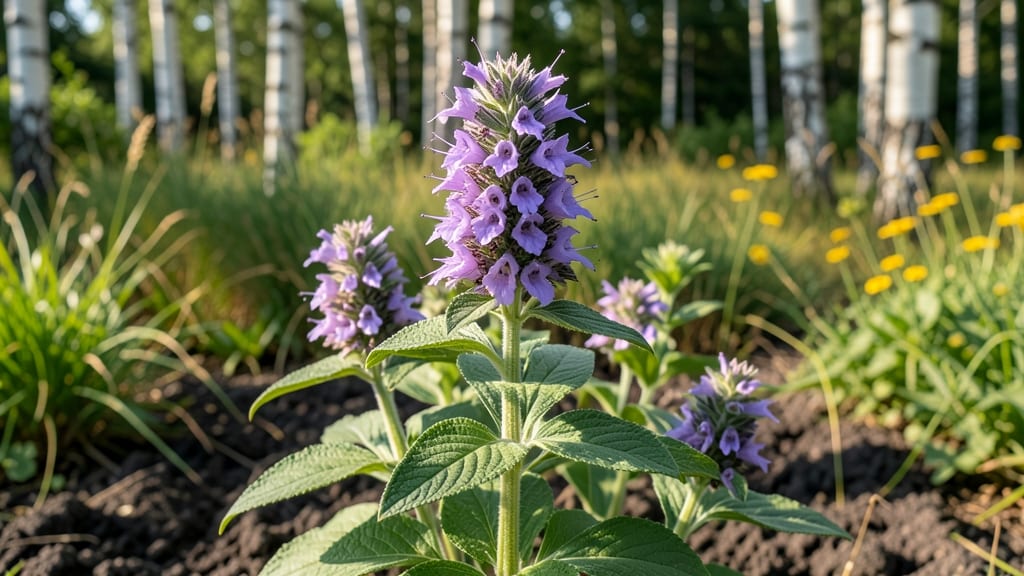
The bee balm bloom season transforms your garden into a hummingbird hotspot 🐝, with fragrant purple spikes that last from summer into early fall—if you know the tricks to keep them flowering.
Picture this: you’ve just planted your bee balm in March or April, but by July, the blooms are already fading—unless you’re in a warmer zone where they peak earlier. The timing isn’t just about luck; it’s about sunlight, soil, and a little pruning know-how.
In USDA Zone 6a, expect blooms from June through September, but shift that window north or south, and the calendar changes. Whether you’re in a coastal climate or a high desert, I’ll break down the exact months for your region—and how to stretch those vibrant spikes into October.
You’ll also discover which companion plants pair perfectly with bee balm’s peak season, how deadheading works, and the one pruning mistake that cuts blooms short. Let’s make your garden a nonstop show.
Bee balm bloom season by hardiness zone: exact months for peak purple spikes
Timing your bee balm blooms depends entirely on your USDA hardiness zone. While most gardeners in zones 5-8 enjoy summer-to-fall blooms, those in colder or warmer climates experience shifts of 2-4 weeks either way.
Understanding these patterns ensures you’ll have continuous color from early June through late September in ideal conditions.
For northern gardeners (zones 3-5), bee balm often waits until late June or early July to burst into color, while southern gardeners (zones 9-10) may see blooms as early as May. The key difference? Frost dates and heat tolerance—both critical for triggering those iconic purple spikes.
In zones 3-4, where winters are harsh, bee balm often blooms later to avoid early frost. Planting early varieties like ‘Jacob Cline’ gives you a 6-week head start on color, while late bloomers like ‘Grandiflora’ extend your season into early September.
A quick tip: Mulch heavily in spring to warm the soil faster and trigger blooms.
Gardeners in zones 5-6 enjoy the longest bloom windows, from June through September, thanks to moderate temperatures and long daylight hours. Here, ‘Marshall’s Delight’ shines as an early bloomer, while ‘Mohawk’ pushes blooms into late summer.
The secret? Deadheading spent blooms every 2 weeks to encourage continuous flowering.
For zones 7-8, where summers are hot and humid, bee balm thrives with partial shade protection in the afternoon.
Varieties like ‘Blue Stocking’ (a white-flowered beauty) bloom as early as May, while ‘Pink Ness’ extends color into October. Prune back by ⅓ after the first flush of blooms to prevent flopping in heavy rain.
In zones 9-10, bee balm’s bloom season stretches nearly year-round, with ‘Balmy Pink’ often flowering in April and ‘Squaw’ lingering until November. The challenge? Heat stress can shorten blooms, so provide afternoon shade and water deeply 2-3 times weekly.
These zones also benefit from fall fertilization to boost next year’s growth.
Regardless of your zone, soil moisture is the #1 factor affecting bloom timing. Bee balm wilts quickly in dry soil, delaying blooms by 3-4 weeks. I’ve found that drip irrigation or soaker hoses keep roots consistently moist, ensuring timely and abundant blooms
How to extend bee balm’s bloom season: pruning, deadheading, and soil tips
Bee balm (Monarda didyma) thrives on attention, and with the right care, you can stretch its vibrant purple blooms from early summer well into fall. The key lies in understanding timing for pruning, deadheading techniques, and optimizing soil conditions to keep your plants flowering like clockwork.
Whether you're a seasoned gardener or just starting, these simple steps will transform your bee balm from a seasonal star to a long-lasting showstopper.
First, let’s tackle the pruning schedule, which is your secret weapon for prolonging blooms. Unlike many perennials, bee balm benefits from light pruning after the first flush of flowers fades. This encourages new growth and triggers a second wave of blooms that can last until frost.
But timing is critical—prune too early or too late, and you might miss that second show entirely.
- 📅 Deadhead spent blooms every 7-10 days to redirect energy into new flowers. Use clean bypass pruners to avoid damaging stems.
- ✂️ Prune back by 1/3 after the first bloom cycle to stimulate reblooming. Aim for late June or early July in most USDA zones.
- 💧 Water deeply 2-3 times weekly during peak bloom (June-August) to prevent stress-induced dormancy. Mulch with 2-3 inches of compost to retain moisture.
- 🌱 Test soil pH—bee balm prefers 6.0-7.0. Amend with lime (for acidic soil) or sulfur (for alkaline soil) to optimize nutrient uptake.
- 🌼 Plant with companions like coneflowers or black-eyed Susans to attract pollinators and reduce disease pressure from overcrowding.
Deadheading is where the magic happens for continuous blooms. Simply pinch off or snip the spent flower heads just above a set of leaves or side bud. This removes the plant’s signal to produce seeds, prompting it to focus on new flower production instead.
Pro tip: Use sterilized pruners to avoid spreading powdery mildew, a common issue with bee balm.
Soil health is the foundation of a long bloom season. Bee balm loves rich, well-draining soil with plenty of organic matter. Before planting, mix in compost or aged manure to boost fertility.
If your soil is clay-heavy, amend with sand or perlite to improve drainage. A balanced fertilizer (10-10-10) applied in early spring and mid-summer will keep your plants vigorous and flowering.
Don’t overlook the power of companion planting to extend your bee balm’s show. Pair it with drought-tolerant perennials like lavender or Russian sage, which share similar water needs and repel pests. Avoid planting near mint family members, as they can cross-pollinate and reduce fragrance quality.
With these strategies, your bee balm will reward you with months of color instead of just a few weeks.
Remember, the goal is to mimic natural conditions—bee balm thrives when it feels stressed just enough to produce flowers but not so much that it wilts.
Regular checks for pests or disease, combined with the tips above, will ensure your bee balm stays healthy, happy, and blooming well into autumn. 🌷