
Flowers
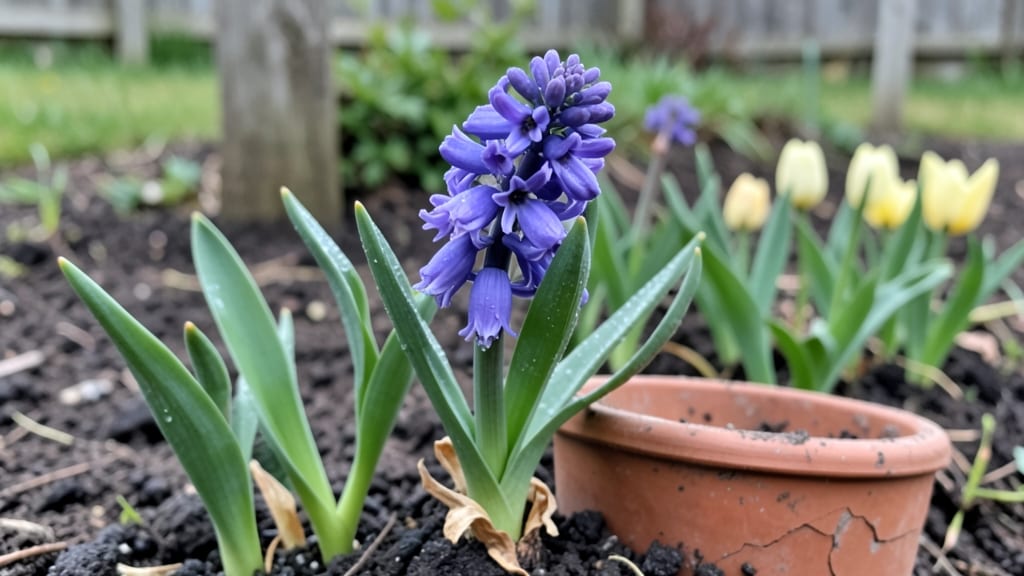
Fragrant spring bulbs 🌷 can turn your garden into a year-round scent machine, with some varieties blooming as early as March and others lasting until June.
Imagine stepping into your garden and being instantly greeted by waves of sweet, intoxicating fragrance—no flowers in a vase needed. These bulbs don’t just look pretty; they fill the air with natural perfume that draws you outside every morning.
But here’s the catch: planting them at the right time and in the right spot makes all the difference. Too much shade or the wrong soil, and you’ll end up with weak blooms—or worse, no scent at all.
The good news? With a few simple tricks, you can extend their fragrance for months and even get them to rebloom next year.
In this guide, I’ll walk you through the top 5 fragrant varieties, the exact planting window for your zone, and how to layer them for continuous scent. Plus, I’ll share my foolproof care routine to keep your garden smelling like a springtime spa.
Top 5 fragrant spring bulbs for maximum scent and beauty
Fragrant spring bulbs are nature’s way of turning your garden into a scented sanctuary the moment you step outside. Whether you crave the warm vanilla of daffodils or the intoxicating sweetness of hyacinths, these bulbs deliver year-round fragrance with minimal effort.
The key is choosing varieties that thrive in your USDA Zone while offering long-lasting scent—some even rebloom for decades with proper care!
Not all spring bulbs are created equal when it comes to fragrance. Some, like grape hyacinths, pack a punch in small packages, while others, like classic tulips, may disappoint unless you pick the right varieties.
I’ve ranked these top 5 fragrant spring bulbs based on scent intensity, bloom duration, and garden versatility—so you can create a multi-sensory experience that lasts from early spring to late summer.
Fragrance Impact Rating (based on scent strength, duration, and reliability):
✅ Scent Reliability: 9/10 | ⏳ Bloom Duration: 3-6 weeks | 🌡️ Hardiness: Zones 3-9
Here’s how these bulbs stack up—from boldest scent to hidden gems that deserve a spot in every garden!
1. Dutch Master Hyacinths (Hyacinthus) – The queen of fragrance, Dutch Master hyacinths release a powerful, spicy-sweet aroma that can be detected 20 feet away. Their deep purple blooms appear in late April to May, and a single bulb can fill a small patio with scent. Plant them in full sun with well-draining soil—they thrive in containers or borders, but avoid waterlogged spots to prevent rot.
2. Ice Follies Daffodils (Narcissus) – Unlike many tulips, Ice Follies daffodils emit a delicate, honey-like fragrance that’s less overpowering but equally charming. Their white, frilly petals bloom in early to mid-spring, making them perfect for early-season scent. They’re also deer-resistant and pest-proof, ideal for low-maintenance gardens. Aim for partial sun (4-6 hours daily) and moist but not soggy soil.
3. Pink Perfection Tulips (Tulipa) – Not all tulips are fragrant, but Pink Perfection is a standout with a rosy, intoxicating scent that lingers for weeks. Their pink and white blooms appear in late spring, and they rebloom reliably if you deadhead spent flowers and fertilize lightly in fall. Plant in full sun with rich, well-drained soil—they’re perfect for cut flowers or border plantings where you can enjoy their scent up close.
4. Grape Hyacinths (Muscari) – Tiny but mighty, grape hyacinths pack a surprising punch with their grape-like, slightly sweet fragrance. Their blue, bell-shaped flowers bloom in early to mid-spring, and they’re drought-tolerant once established. These bulbs are ideal for woodland gardens or rockeries where their compact size (6-12 inches tall) won’t overwhelm other plants. Plant in partial shade for best results.
5. Snowdrops (Galanthus) – The harbingers of spring, snowdrops bloom in late winter to early spring, offering a subtle, almond-like scent that’s refreshing and crisp. Their white, drooping flowers are hardy to Zone 3, making them perfect for cold climates. They thrive in shady, wooded areas or under deciduous trees, where their early bloom provides fragrance before most other bulbs even sprout. Plant in well-draining soil and avoid disturbing them—they multiply quickly!
For maximum fragrance impact, pair these bulbs with complementary plants like lavender (for late-summer scent) or roses (for continuous blooms). Mulch with compost in fall to protect bulbs and boost next year’s blooms.
With the right combination, your garden can smell like a perfume shop from February through June—no vase required!
How to plant and care for fragrant spring bulbs for long-lasting scent
Fragrant spring bulbs like hyacinths, daffodils, and grape hyacinths thrive when planted correctly, but their scent and reblooming depend on proper care. The key to long-lasting fragrance lies in soil prep, sunlight exposure, and seasonal maintenance.
Unlike annual flowers, these bulbs store energy underground, so giving them the right conditions now ensures they’ll reward you with intoxicating blooms for years.
Many gardeners make the mistake of planting bulbs too shallowly or in poorly draining soil, which weakens their scent and growth. I’ve learned that deep planting (twice the bulb’s height) and well-amended soil are non-negotiable for fragrant varieties.
Even the most hardy bulbs, like paperwhite narcissus, need consistent care to keep their fragrance strong. Let’s break down the exact steps to plant and care for them like a pro.
- Step 1: Choose the Right Location
Select a spot with 6+ hours of sunlight and well-draining soil. Fragrant bulbs like hyacinths and tulips need full sun to develop strong scents, while woodland varieties (like snowdrops) tolerate partial shade. - Step 2: Prepare the Soil
Mix compost or aged manure into the soil to improve drainage and fertility. Avoid heavy clay—amend with perlite or sand if needed. A pH of 6.0–7.0 is ideal for most fragrant bulbs. - Step 3: Plant at the Right Depth
Dig holes twice as deep as the bulb’s height and 3x its width apart. Place bulbs pointy-end up (for tulips/daffodils) or flat-side down (for hyacinths). Cover with soil and water gently. - Step 4: Water Consistently
Keep soil moist but not soggy until shoots appear. After blooming, reduce watering to let foliage yellow naturally—this ensures bulbs store energy for next year’s scent. - Step 5: Fertilize Strategically
Apply a balanced fertilizer (5-10-10) in early spring when shoots emerge. Skip summer fertilization—bulbs rest then. In fall, add bone meal for phosphorus to boost next year’s blooms. - Step 6: Mulch for Protection
Add 2–3 inches of mulch (straw or shredded leaves) after planting to retain moisture and insulate bulbs. Remove mulch in early spring to prevent rot. - Step 7: Troubleshoot Weak Blooms
If fragrance fades, check for overcrowding (dig up and separate bulbs) or pests (like squirrels or slugs). Deadhead spent blooms but leave foliage until it yellows completely.
One of my favorite tricks to extend fragrance is planting bulbs in layers. By mixing early bloomers (like crocuses) with late spring varieties (like alliumscontinuous scent wave from March to May.
Just ensure each layer gets its required sunlight—taller bulbs (like tulips) should go in the back.
Fragrant bulbs also need winter protection in colder climates. After foliage dies back, add a thick layer of mulch (4–6 inches) to shield bulbs from freezing. In USDA Zones 3–5, I’ve found that hyacinths and daffodils rebloom more reliably with this extra insulation.
Even in mild winters, mulching prevents soil heaving, which can damage bulbs.
Don’t forget to rotate your bulbs every few years to prevent disease. Dig up clumps in late summer, separate the bulbs, and replant them in fresh soil. This simple step can revitalize scent intensity and ensure your garden stays fragrant for decades.
With these steps, your spring bulbs will not only bloom beautifully but also fill your garden with a perfume-like aroma that lasts all season.