
Blooming
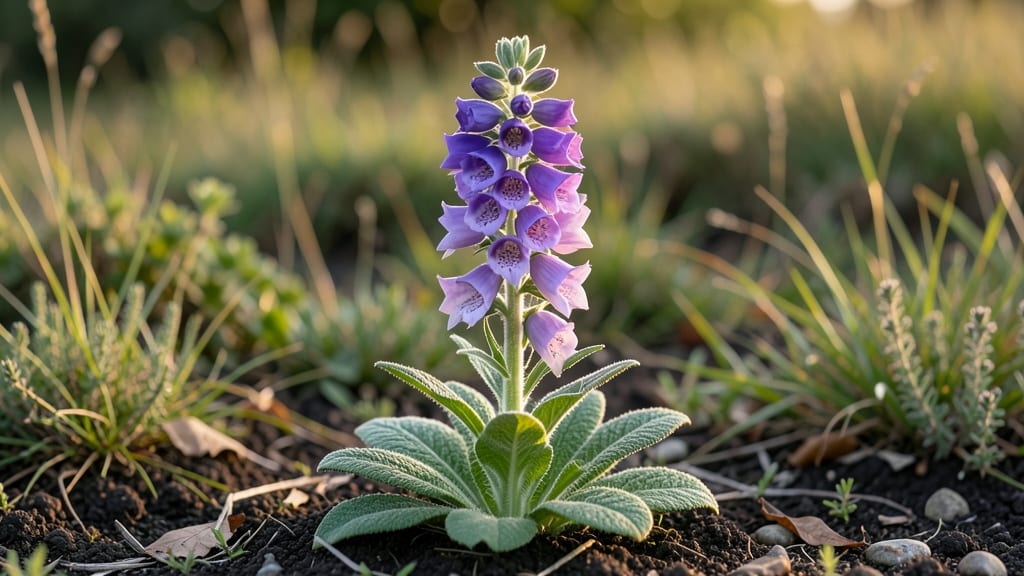
Foxglove blooms typically appear between late spring and early summer 🌸, turning your garden into a fairy-tale scene—but getting them to flower on time (or at all) can feel like a guessing game.
You might plant your foxglove in March, only to stare at lush green leaves all summer, wondering where the flowers went. The truth? Bloom time depends on whether your foxglove is biennial or perennial, your hardiness zone, and even how much sunlight it gets.
In Zone 6a, where many gardeners grow foxglove, expect blooms from June through August if you planted seeds the previous year. But if you’re in a warmer zone or growing a different variety, the timing can shift by weeks—sometimes even months.
Below, I’ll break down exactly when to expect those iconic bell-shaped blooms, plus five simple tricks to coax earlier or longer flowers from your foxglove—no gardening degree required.
Foxglove bloom time by variety: when to expect flowers
Foxglove (Digitalis) is famous for its dramatic bell-shaped blooms that appear like magic after months of foliage growth. But timing varies wildly between varieties—some flower in their first year, while others wait until their second.
Understanding these patterns helps you plan your garden for maximum impact during late spring and summer.
The most common foxglove, Digitalis purpurea, typically blooms in its second year after sowing seeds. However, if you start with transplants, you might see flowers as early as late spring (May-June) in cooler climates. This biennial behavior is why patience is key when growing from seed.
Here’s how bloom times compare across popular varieties, including height expectations and color variations that influence your garden design:
Digitalis grandiflora often steals the show with its taller stature and cheerful yellow blooms, but it blooms later than its purple cousins. If you’re in Zone 5 or colder, expect flowers to appear 1–2 weeks later than in warmer zones due to cooler spring temperatures.
For earlier blooms, try growing Digitalis ferruginea, which can flower in its first year if started from cuttings. Its rust-red blooms add warmth to shady garden corners, and it thrives in partial shade where other varieties might struggle.
Perennial varieties like Digitalis ambigua may rebloom in ideal conditions, but most foxgloves are biennial. To extend their lifespan, deadhead spent blooms and protect the base from frost. In Zones 7–9, some may self-seed and return yearly, creating naturalizing drifts.
Color plays a role in bloom timing too. Darker purple varieties (like Digitalis obscura) often bloom slightly earlier than lighter shades, possibly because they absorb more sunlight. Pairing tall varieties (5+ ft) with shorter ones (2–3 ft) creates visual layers in your garden.
Pro tip: If you’re impatient for flowers, buy established transplants in early spring. They’ll often bloom the same year, saving you from the year-long wait of seed-grown plants. Just ensure they’re planted in well-draining soil to prevent rot.
🌸
How hardiness Zones affect foxglove bloom time and longevity
Your hardiness zone is the secret to unlocking foxglove’s full potential. In cooler zones (3-5), these biennials often bloom in their second year—typically June to August—while warmer zones (7-9) may see first-year blooms if planted early.
The USDA hardiness zone dictates everything from planting windows to overwintering survival.
In Zones 3-5, foxglove thrives as a biennial, producing basal rosettes the first year and dramatic 6-foot spikes the second. Gardeners in Zone 6 can coax earlier blooms by sowing seeds in late summer for fall-to-spring growth.
Meanwhile, Zones 7-9 often experience first-year blooms if planted in early spring.
Warmer zones like Zone 9 demand shade protection to prevent bolt (premature flowering) or leaf scorch. I’ve found that mulching heavily in fall and providing dappled shade extends blooms into early autumn.
In Zones 3-5, overwintering foxglove requires heavy mulch or row covers to protect roots from freeze-thaw cycles.
First-year blooms in Zones 7-9 often appear 3-4 months after planting if given consistent moisture and partial shade. However, these plants may bolt prematurely in Zone 9+ without proper heat management. My trick? Plant in late summer for cooler fall growth and delayed spring blooms.
To extend the flowering season in warmer zones, deadhead spent blooms and water deeply every 5-7 days. In Zones 3-5, I’ve had success by cutting back foliage in early fall and replanting seeds for staggered blooms the following year.
Remember: Zone 6 is the sweet spot for foxglove, offering reliable biennial blooms with minimal fuss. For gardeners in Zones 7-9, treat foxglove like an annual—plant fresh seeds each year for season-long color. The key is adapting care to your local climate.