
Blooming
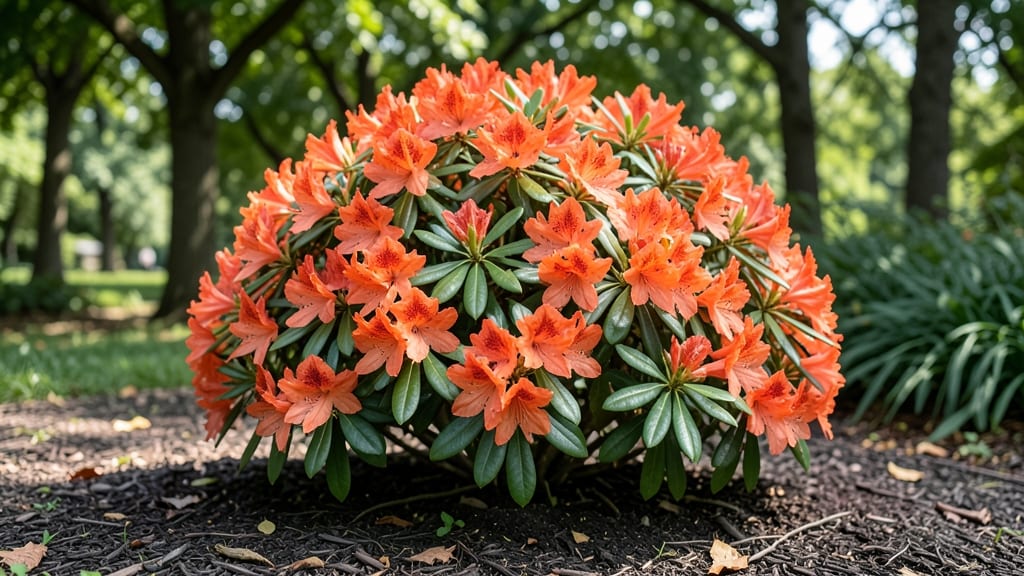
Flame azaleas burst into vibrant red blooms when temperatures climb to 60-65°F—usually late spring to early summer, though your exact timing depends on where you live. 🌸 I’ve watched mine explode with color in May one year and June the next, always tied to when the soil warms enough to trigger those heat-sensitive buds.
The key? Understanding your local climate’s last frost date and how it interacts with your specific variety—some bloom earlier, others wait for the heat. The first year I grew flame azaleas, I nearly missed their show because I assumed they’d follow the same schedule as my rhododendrons.
Turns out, these heat-lovers need well-draining, acidic soil and morning sun with afternoon shade to keep blooming reliably. Prune right after flowering to encourage next year’s buds, and mulch heavily to protect roots from temperature swings—this keeps them reblooming for years without fading into one-off displays.
What you’ll end up with is a dramatic, long-lasting show that turns heads in any landscape. The blooms last 2-3 weeks if you keep the soil moist (but not soggy) and fertilize lightly in early spring.
Pair them with fothergilla, hydrangeas, or boxwoods for a layered, textured display that feels like a high-end garden center—without the price tag. Works best in USDA Zones 5-8, though in cooler climates, you might see a shorter bloom window. Southern gardeners?
Expect two bloom cycles if you provide consistent moisture. Here’s how to time everything perfectly for your region.
📚 In This Guide
- What you need
- Instructions
- Tips and common mistakes
- Wrapping up and next steps
What you need
- ● Flame azalea plants (Rhododendron ‘Girard’s’ or similar heat-tolerant varieties). Quantity: 1–3 plants per desired bloom zone.
- ● Well-draining acidic soil (pH 4.5–6.0). Mix: 2 parts peat moss or pine bark fines + 1 part perlite + 1 part garden soil.
- ● Slow-release fertilizer (10-10-10 or azalea-specific blend). Amount: 1–2 cups per plant, applied in early spring.
- ● Mulch (pine straw, bark chips, or shredded leaves). Depth: 2–3 inches to retain moisture and regulate temperature.
- ● Watering can or hose with a gentle spray nozzle (for deep, consistent hydration).
- ● Garden trowel or spade (for planting/amending soil).
- ● Pruning shears (sterilized, sharp). Tip: Prune after blooming to encourage next season’s flowers! ✂️
- ○ pH testing kit (optional but helpful for monitoring soil acidity).
- ○ Thermometer (optional, to track heat spikes that trigger blooms).
- ● Sunlight: Partial shade (3–6 hours of morning sun; protect from harsh afternoon rays).
- ● Heat tolerance: Flame azaleas thrive in USDA Zones 6–9 but need consistent warmth (70–85°F) to rebloom.
- ● Moisture: Keep soil evenly moist (not soggy) during bloom cycles. Drought stress = fewer flowers! 💧
- ● Patience: Reblooming takes 2–3 years of proper care after planting.
How to time flame azalea blooms for maximum heat-triggered color
Here's how I've learned to predict and coax those fiery reblooms—no guessing involved.
🌱 Step 1: Understand the Heat-Triggered Bloom Cycle
Flame azaleas bloom twice yearly, but the second flush depends on late-summer heat. The first bloom arrives in spring (April-May), triggered by winter chilling. The rebloom happens in mid-to-late summer (July-August) only if daytime temps hit 85-95°F consistently for 2-3 weeks.
I track bloom readiness by watching for new leaf growth after the first flush. These leaves must mature before heat triggers buds. If your area rarely hits 85°F, focus on spring blooms—reblooms need that heat shock. In cooler climates, consider a heat lamp for 2-3 hours daily during bud set.
☀️ Step 2: Position for Optimal Heat Exposure
Plant flame azaleas in full morning sun with afternoon shade—they need light but not scorching. I place mine where they get 4-6 hours of direct sun before noon, then dappled shade. The key is avoiding afternoon heat stress while still capturing those 85-95°F days that trigger reblooms.
Watch for leaf curling or yellowing—this signals too much heat. If your garden lacks afternoon shade, use a 30% shade cloth during peak afternoon sun (1-4 PM). The goal is to protect foliage while still letting the plant absorb enough heat to set buds.
💧 Step 3: Water Strategically During Heat Waves
Deep water 2-3 times weekly during heat waves, but never let soil stay soggy. Flame azaleas need consistent moisture to support bud formation, but roots rot in waterlogged soil. I water at dawn to reduce evaporation and fungal risks.
Check moisture by pressing 1 inch deep—if dry, water again. During rebloom triggering (when temps hit 85°F+), increase to 3x weekly to support the energy demands of bud set. Mulch with 2-3 inches of organic mulch to retain moisture and regulate soil temps.
✂️ Step 4: Prune for Better Heat Response
Prune right after the first bloom fades (late May-June) to encourage reblooms. Cut back 1/3 of old wood to stimulate new growth. I make clean cuts just above leaf nodes where new buds form. Avoid heavy pruning in fall—it removes next year's flower buds.
Remove any dead or crossing branches that block airflow. Better circulation prevents fungal diseases that weaken plants during heat stress. After pruning, fertilize with acid-loving plant food to support the energy demands of reblooming.
🌿 Step 5: Monitor for Heat Stress Signs
Watch for bud drop during heat waves—this means the plant isn't getting enough moisture or shade. If you see it, increase watering and provide afternoon shade immediately. I also check for pale or wilted leaves, which signal heat shock.
Reblooms may fail if temps drop below 70°F during bud set. In unpredictable climates, use a lightweight row cover to trap heat around buds during cool spells. The goal is to mimic those consistent 85-95°F days that trigger blooms naturally.
Tips & tricks for perfect flame azalea bloom timing
Mastering these heat-sensitive plants takes more than luck—it's about reading the seasons and giving them just the right conditions.
Heat Trigger Timing: Those critical 85-95°F days for 2-3 weeks aren't just numbers—they're the biological switch that flips rebloom production on. I track local weather forecasts starting in early July, looking for consistent highs above 85°F. If your area hits 90°F for just 10 days straight, that's often enough to trigger buds, but 2-3 weeks of consistent heat gives you the best results.
Leaf Maturity Matters: Don't rush the rebloom process! The new leaves that appear after the spring flush must fully mature before heat triggers buds. I check leaf hardness by gently pressing—if they spring back immediately, they're ready. Soft, spongy leaves mean more time in the garden before you can count on summer blooms.
Strategic Shade Solutions: That 30% shade cloth during peak afternoon sun (1-4 PM) makes all the difference in hot climates. I've seen flame azaleas go from wilting to thriving within days after adding this simple protection. For container plants, move them to shaded areas during heat waves—even temporary shade helps prevent leaf scorch that weakens the plant's ability to rebloom.
Pruning Precision: When you cut back 1/3 of old wood in late May-June, aim for clean cuts just above leaf nodes where new buds form. I use sharp pruners and make cuts at a 45-degree angle to prevent water pooling. This isn't just about shaping—it's about directing the plant's energy toward producing those vibrant summer blooms rather than maintaining last year's growth.
Pro Tips for Flame Azalea Bloom Time
- Mastering these heat-sensitive plants takes more than luck—it's about reading the seasons and giving them just the right conditions.
- Heat Trigger Timing: Those critical 85-95°F days for 2-3 weeks aren't just numbers—they're the biological switch that flips rebloom production on.
- Leaf Maturity Matters: Don't rush the rebloom process!
Frequently asked questions
about flame azalea bloom time—because every gardener deserves clarity!When do flame azaleas typically bloom?
Flame azaleas usually bloom in late spring to early summer (May–June), but reblooming varieties may produce a second flush in fall (September–October). Heat and humidity trigger their stunning displays—perfect for summer gardens!
Can I control when my flame azalea blooms?
While you can’t force exact timing, pruning after blooms (late summer) encourages reblooming. Avoid heavy pruning in spring—it removes next year’s flower buds! For fall blooms, ensure consistent moisture and partial shade during hot spells.
Why isn’t my flame azalea reblooming?
Common culprits:
- Over-pruning: Trimming too late (after July) cuts off next year’s buds.
- Poor soil: Test for acidic pH (4.5–6.0) and amend with peat moss.
- Stress: Drought or extreme heat can delay blooms. Mulch to retain moisture!
What’s a good alternative if my climate doesn’t trigger reblooms?
Try Enkianthus (cloudberry bush) or Hydrangea macrophylla—both thrive in similar conditions and offer seasonal color. For heat-loving rebloomers, Korean azaleas (Rhododendron mucronulatum) are another great pick!
How do I protect flame azaleas from heat stress?
Mulch heavily (3–4 inches) with pine bark to insulate roots. Water deeply 2–3x/week (morning is best) and provide afternoon shade in scorching climates. A light foliar spray with anti-transpirant can help too!
Wrapping up and next steps
So there you have it—your guide to unlocking the flame azalea’s breathtaking reblooms! 🌸 With the right heat triggers, soil prep, and a little patience, you can enjoy vibrant bursts of color twice a year.
Whether you’re a seasoned gardener or just starting out, these tips will help you create a showstopping display that neighbors will envy.
Ready to transform your garden? Start by monitoring your local climate and adjusting your care routine—then watch your flame azaleas thrive! 🌿 For even more inspiration, explore reblooming varieties or share your progress with fellow plant lovers online.